You don’t need a license, tackle, or experience to fish a Sarasota charter — the boat covers all three. A typical first trip is a 4-hour inshore half day on calm bay water, costs roughly $400–$650 for two anglers, and puts beginners on spotted seatrout, snapper, and Spanish mackerel with a real shot at snook and redfish. Here’s everything worth knowing before you step on the boat.
Do I need a fishing license for a charter in Sarasota?
No. Florida’s charter captain and charter boat licenses cover every paying passenger aboard — kids and adults, residents and visitors. You only need your own license if you fish later from shore or a private boat; anyone 16 or older needs one then (residents can get a free shoreline license). Rules, costs, and exemptions are in our Florida fishing license guide, and licenses sell at GoOutdoorsFlorida.com.
How much does a Sarasota fishing charter cost?
| Trip | Typical 2026 price | Best for |
|---|---|---|
| Inshore half day (4 hr) | $400–$650 for two | First-timers, families, kids |
| Inshore 6–8 hr | $600–$900 | Anglers who want the full tide cycle |
| Nearshore reefs (inside 9 miles) | Priced per boat; ask when booking | Mackerel, snapper, tripletail, cobia |
| Offshore bottom fishing | Longer runs, higher fuel — priciest trip | Grouper, big snapper |
| Tarpon (May–July) | Specialty trip, book months ahead | Experienced or ambitious beginners |
Ranges, not quotes — season, species, weather, group size, and fuel all move the number. Call or text us for an exact quote on your dates.
Extra anglers typically add $50–$100 each. Pricing and what’s included on our inshore charter page. Almost every legitimate operation includes rods, tackle, live bait, ice, license coverage, and fish cleaning — confirm all five when you book. More vetting criteria in how to choose a fishing charter.
What kind of trip should a beginner book?
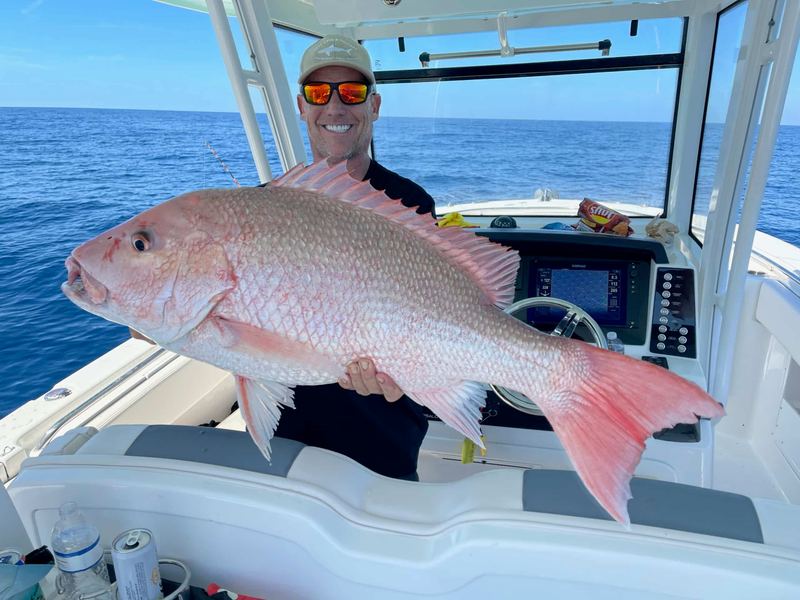
Inshore, 4 hours, morning. Sarasota Bay is protected water — no ocean swell, short boat rides, light spinning tackle, and steady action. The standard beginner program is a live shrimp under a popping cork drifted across deep grass flats for spotted seatrout, mixed with ladyfish, jacks, snapper, and Spanish mackerel. When the group finds its footing, the captain points the bow at snook along the mangroves or a redfish on a bar. Skip offshore trips the first time out: longer runs, more swell, more seasickness risk.
What should I bring on a fishing charter?
The boat supplies the fishing. You supply:
- Sunscreen (reef-friendly), hat, polarized sunglasses — polarization lets you see fish, not just glare
- Non-marking shoes or sandals — no black soles
- Light rain jacket June–September; a windbreaker or fleece December–February
- Drinks and snacks in a soft cooler — most captains have ice aboard
- Phone in a dry bag for photos
- Cash for the tip (below)
- Motion-sickness meds if unsure — taken the night before and again in the morning, not at the dock
Leave at home: bananas if your captain is superstitious, glass bottles, and hard-sided coolers unless invited.
How does a 4-hour charter actually run?
- Meet at the dock 15 minutes early. Most Sarasota trips leave between 7 and 8 a.m. — the summer bite is a dawn bite.
- Bait first. Many captains throw a cast net for scaled sardines on the way out; watching a net open over a bait school is worth the trip alone.
- Fish the tide, not the clock. The captain picks spots by current — moving water feeds. Two to five spots in four hours is normal.
- Landing fish. Reel smooth, rod tip up, let the drag do the work. The mate or captain nets, unhooks, and handles photos.
- Back at the dock, legal keepers are cleaned and bagged. Dinner plans: see eating your catch.
Will I get seasick on a bay trip?
Almost certainly not inshore — Sarasota Bay rarely gets rougher than a light chop. Nearshore and offshore are a different story on a windy day. If you’re prone: take meclizine or dimenhydrinate the night before, eat a light breakfast, skip the hangover, watch the horizon, and stay out of the cabin. Captains watch the NWS Tampa Bay marine forecast and will call a reschedule if the Gulf is ugly — a good sign, not a bad one.
Is a charter good for kids?
The best way there is. Book the 4-hour inshore trip, tell the captain the kids’ ages when booking (they’ll rig lighter rods and plan for action over size), and aim for seatrout, snapper, and ladyfish — fish that bite often. Two rules seasoned family captains follow: quit while it’s still fun, and let the kids reel every fish, including yours. October through May offers the most comfortable temperatures; see the month-by-month calendar for what’s biting when you visit.
Where do Sarasota charters leave from, and when should I go?
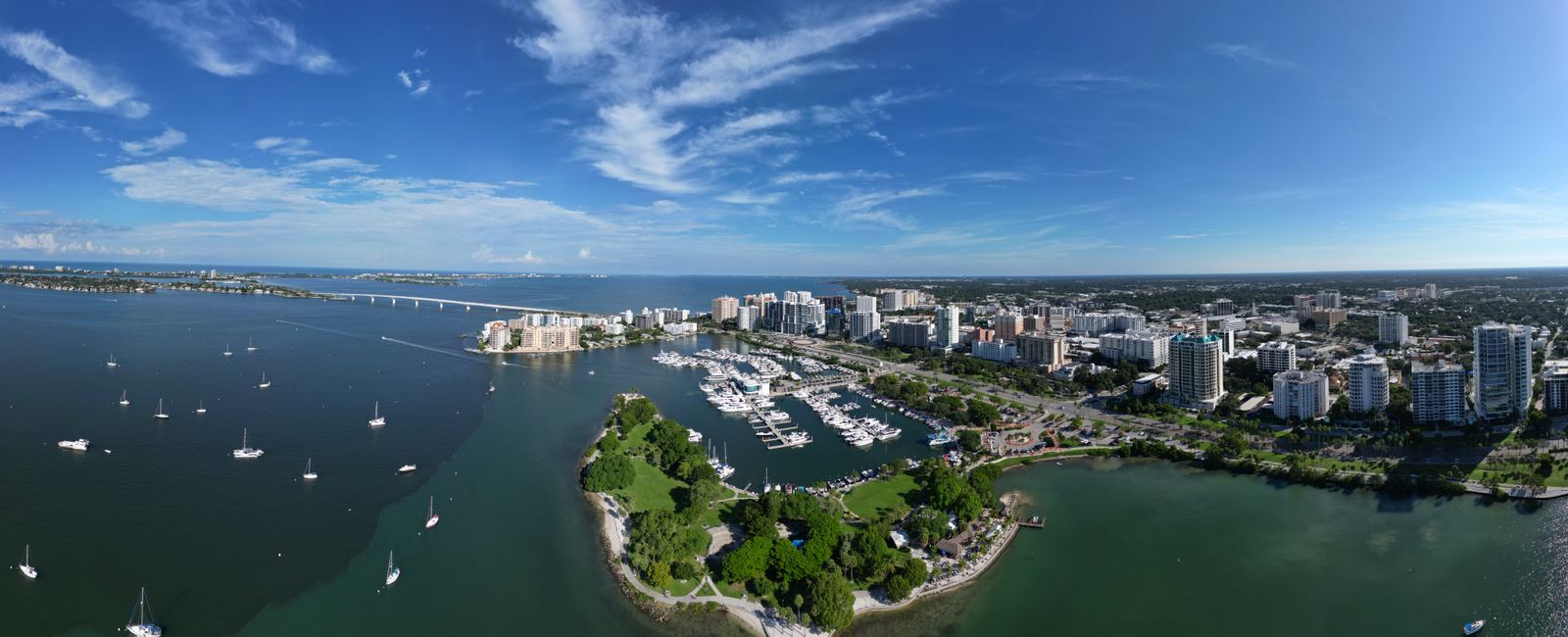
Most inshore boats run out of the downtown bayfront around Marina Jack, the Cortez waterfront near Anna Maria, or the Venice/Nokomis stretch of the Intracoastal — full list in our marinas guide. Book the dock closest to your hotel; a 7 a.m. meet time feels very different with a 45-minute drive in front of it.
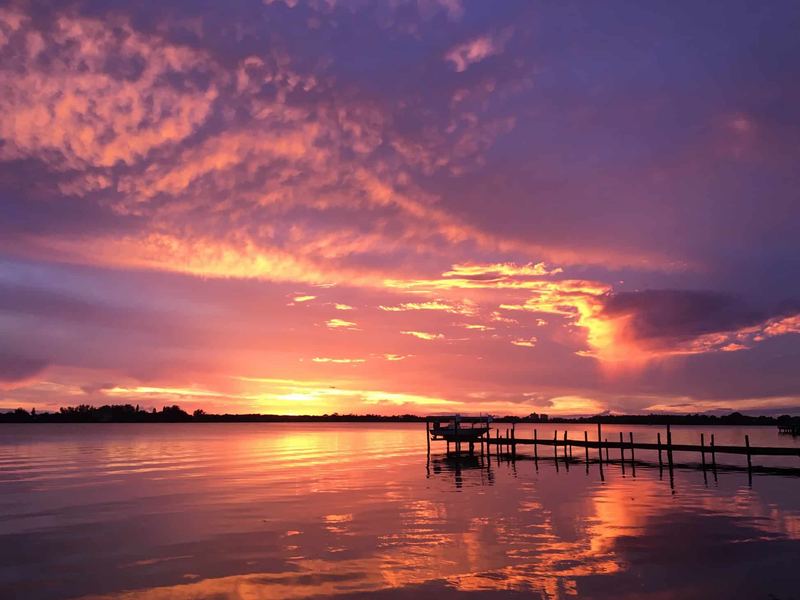
As for timing the calendar: there is no bad month, only different fish. March–May and September–November offer the widest variety and the mildest weather. June–August fishes well but early — trips leave at first light and beat both the heat and the afternoon storms. December–February brings the best sight fishing and sheepshead, with the occasional cold front to schedule around. Match your travel dates against the month-by-month calendar before you book.
How much do you tip a fishing charter captain?
15–20% of the trip price, in cash, same as a restaurant — on a $400–$650 half day that’s $60–$130. Tip the mate directly if there is one; on many Sarasota boats the captain works alone. Tip on effort and instruction, not the fish count. Nobody controls the weather or the bite; a captain who worked eight spots and taught your kid to cast earned the 20% on a slow day.
Can I keep the fish I catch?
Legal ones, yes — the captain knows every slot and season and will tell you instantly what goes in the box. Know two things going in: captain and crew may not keep a bag limit on for-hire trips, and several marquee species are managed tightly here. Snook harvest opens only March 1–April 30 and September 1–November 30, redfish is one fish per person inside an 18–27” slot, and tarpon is catch-and-release only statewide. Current rules live at FWC’s recreational regulations hub — verify before you fish. Releasing a fish? Our catch-and-release guide covers doing it right.
FAQ
What happens if the weather cancels my trip? Reputable captains reschedule or refund for weather calls — their call, not yours. Confirm the policy when you book.
Can I bring alcohol? Most captains allow beer in cans; ask first. No glass. Save the serious drinking for the dock.
What if I’ve literally never fished? Say so when booking. Teaching beginners is the job, and bay fishing with live bait has the shortest learning curve in saltwater.
How far ahead should I book? Two to four weeks for winter and spring dates; tarpon season (May–July) books months out. Summer weekdays often have short-notice openings.
Do charters run year-round in Sarasota? Yes. The species mix rotates — see the fishing calendar — but there is no off-season on this bay.
Related
Compare boats and specialties in the Sarasota charter captains directory, see what’s biting month by month in the Sarasota fishing report, and read up on the two fish everyone wants a photo with: snook and redfish. Prefer to try it from land first? Start with fishing piers and bridges.