A released fish only counts if it survives, and survival is decided in the last five minutes: fight duration, air exposure, and handling. The rules of thumb — heavy tackle, wet hands, fish stays in the water, hook out fast, revive until it kicks — come from Bonefish & Tarpon Trust research and are backed by Florida law for tarpon: every tarpon over 40 inches must remain in the water. Here is how to do it right for the fish Sarasota releases most.
Survival is decided by fight duration, air exposure, and handling.
Why does catch and release matter in Sarasota?
Because most of what this coast is famous for goes back by rule or by math:
- Tarpon are catch-and-release only statewide — every fish, every trip. See the FWC tarpon rules.
- Snook carry a tight slot and seasonal closures; the majority of snook caught here are released.
- Over-slot redfish and seatrout — the breeding stock — must be released on this coast.
- Every major SWFL tarpon tournament, from the Suncoast Tarpon Roundup to the Boca Grande events, is all-release.
A 120-lb tarpon may be 30+ years old. A 40-inch snook is a female producing millions of eggs a season. Release mortality is the hidden harvest — estimated at meaningful percentages even for “swam away fine” fish when handling is poor. Good technique cuts it dramatically.
How do I handle a tarpon at the boat?
The one law and the one science point, together: tarpon over 40 inches never leave the water. That’s an FWC rule, not a suggestion. Leader the fish, keep it boatside, and do everything — dehooking, photos, revival — with the fish in the water.
BTT’s tarpon catch-and-release standards in practice:
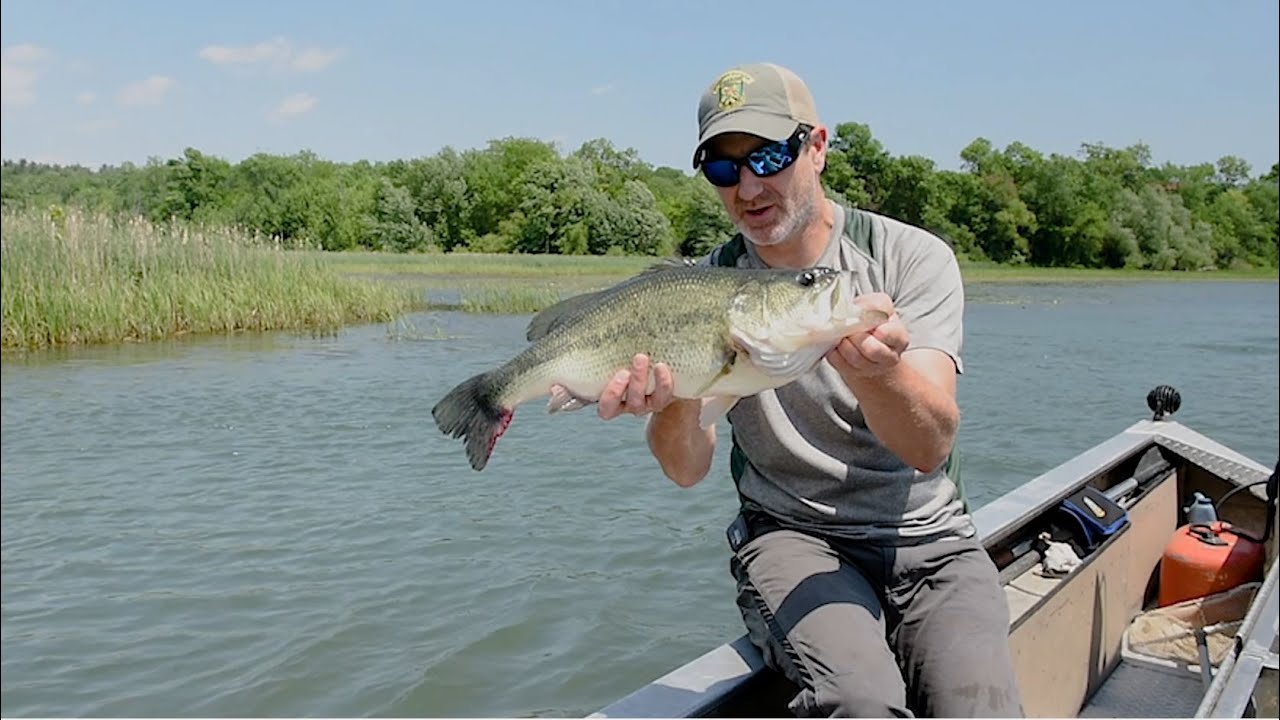
- Grip the lower jaw with a wet hand or lip grip while the fish lies alongside; support the fish upright.
- Never touch the gills or gill plates.
- Remove the hook with pliers or a dehooker; a gut hook gets the leader cut short.
- No gaffs, no dragging fish over the gunwale, no beaching a big fish for photos.
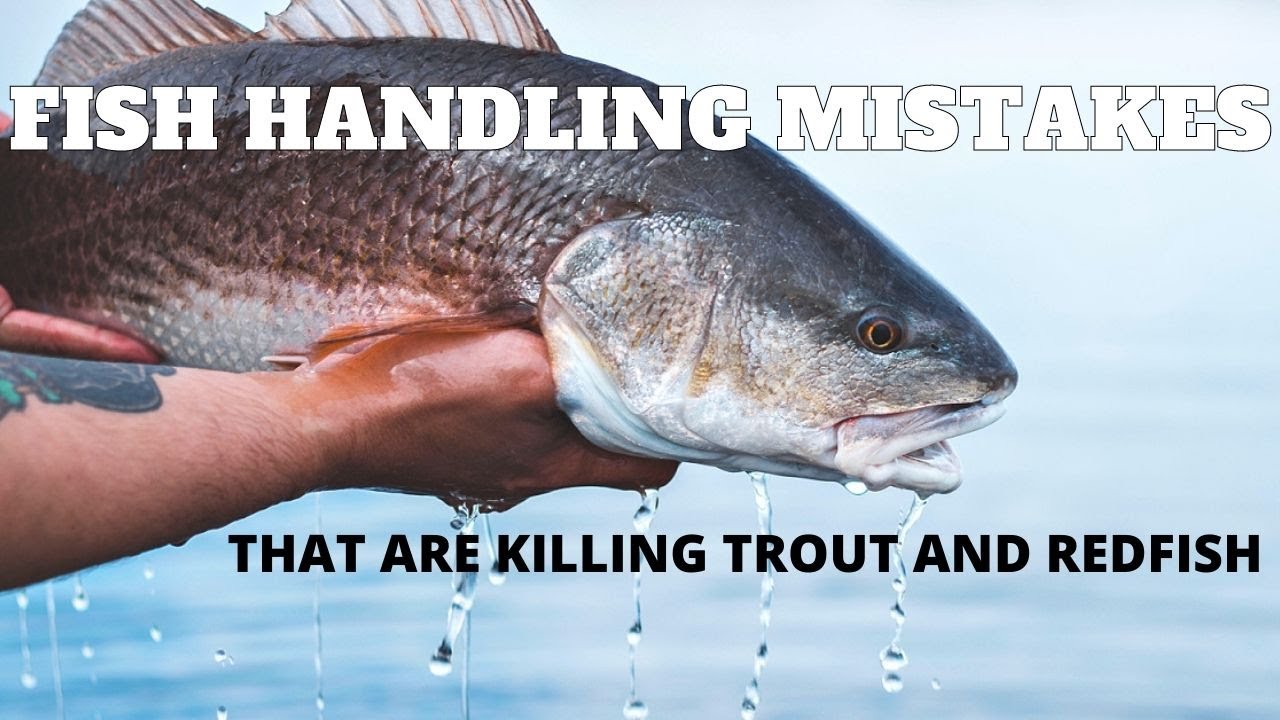
- Photos happen with the fish in the water at boatside. BTT’s line is the standard: a fish that has stopped dripping has been out too long.
For smaller juvenile tarpon (under 40”), the same rules apply in spirit — horizontal support, wet hands, seconds of air, never hung vertically by the jaw. A vertical hang can separate the internal organs of a large fish under its own weight.
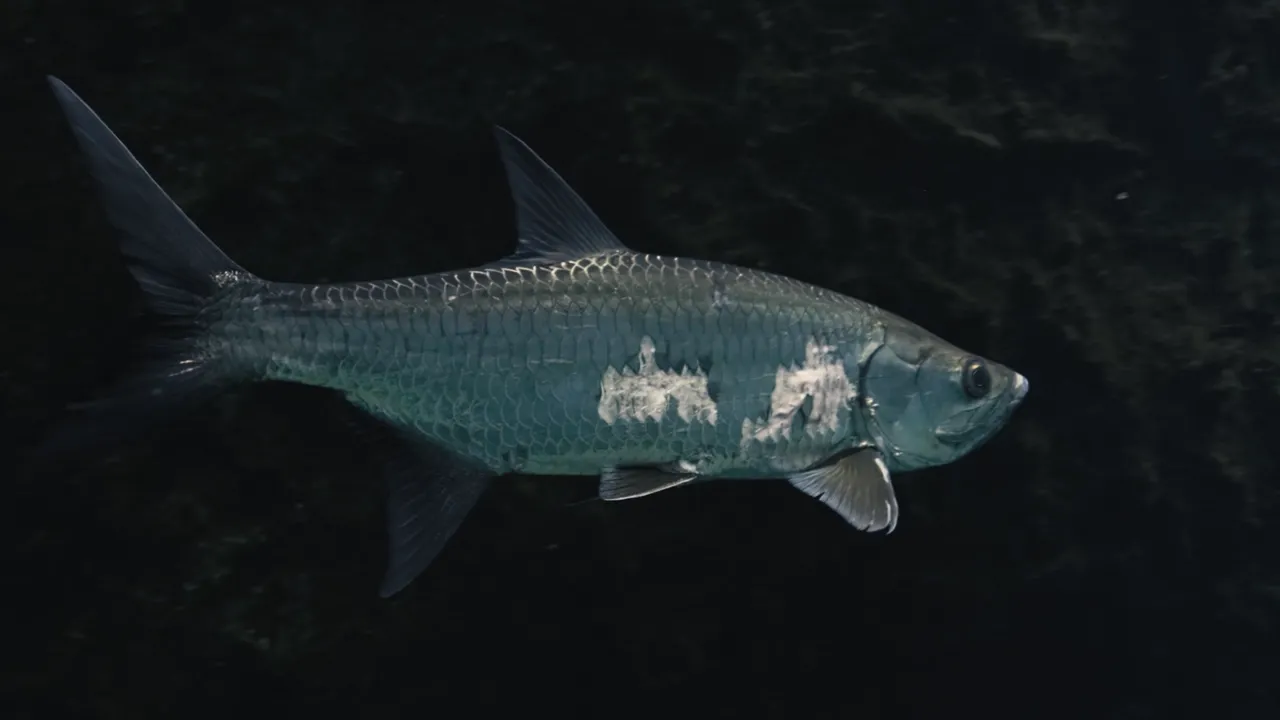
A fish that has stopped dripping has been out of the water too long.
How do I fight a tarpon without killing it?
Fight time is the biggest survival lever you control before the fish ever reaches the boat:
- Tackle up. 60–80 lb class gear in the passes, heavy fly rods (11–12 wt) on the beach. A fish landed in 20–30 minutes recovers; a 90-minute standoff on light gear frequently doesn’t.
- Warm water shortens the clock. In 85°+ July water, lactic acid builds faster and oxygen holds less. Fight even harder, release even quicker.
- Sharks are part of the equation. Boca Grande Pass and the Sarasota beaches hold big hammerheads and bulls that key on exhausted tarpon. An exhausted fish released badly is a delivered meal — one more reason for short fights and full revival. If sharks show, move before hooking another fish.
- Pull hard at angles, use the boat to chase, and break the fish’s spirit early instead of letting it settle into a slow slugfest.
More technique detail: BTT’s catch-and-release tips and our tarpon fishing page.
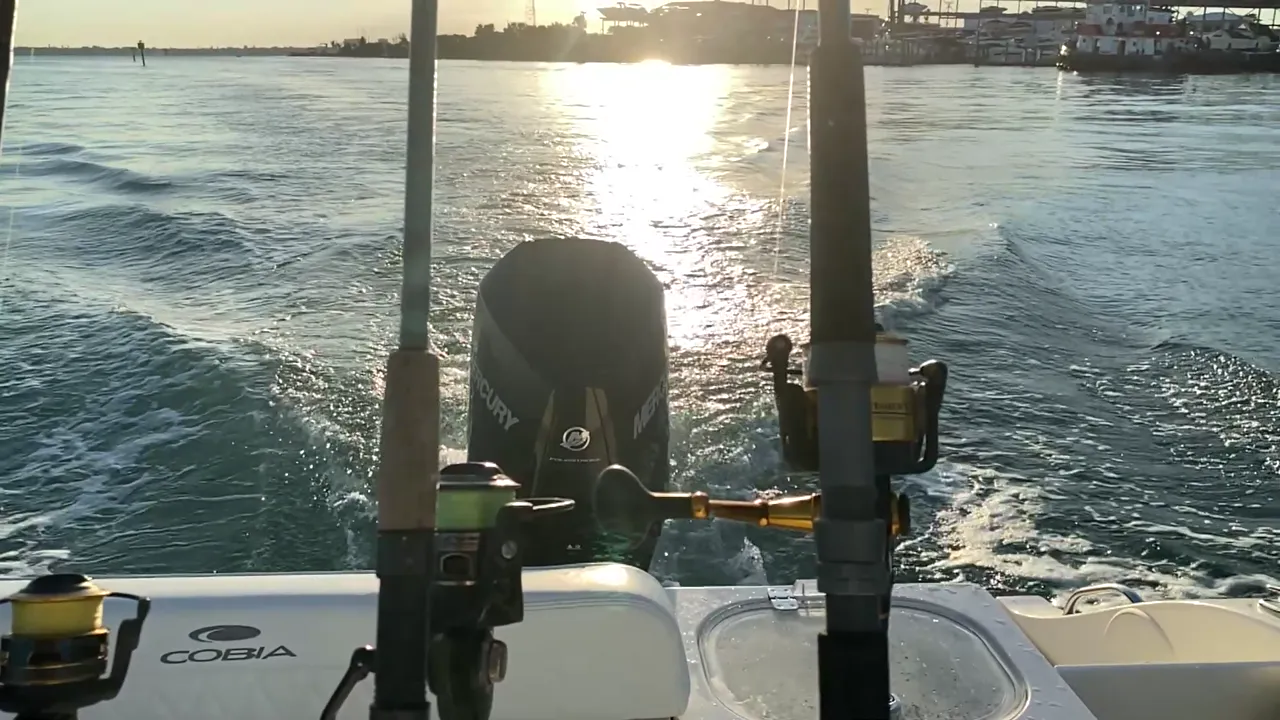
A fish landed in 20–30 minutes recovers; a 90-minute standoff frequently doesn't.
How do I handle snook for release?
Snook are hardy but slime-dependent and frequently caught in warm, low-oxygen water — mangrove edges in August, dock lights at night. The routine:
- Land fast; a rubber-coated, knotless net beats a lip-grip swing over the rail.
- Wet hands. Support horizontally — one hand at the jaw, one under the belly. Never hold a big snook vertically by the lower jaw alone; it damages the jaw and internal structure.
- Hook out with pliers; single inline hooks and circle hooks make this a five-second job. Many local anglers crush barbs or swap trebles for singles on plugs — see our live bait and lure guides for rigging.
- Seconds of air for the photo, then back.
- Face the fish into current alongside the boat or in knee-deep water until it bolts.
During closed seasons, keep snook in the water entirely — the fastest release is the one that never leaves the surface. Current season status: FWC snook page and our regulations guide.
How do I remove a hook the right way?
- Carry a dehooking tool and long-nose pliers within arm’s reach, not buried in a hatch.
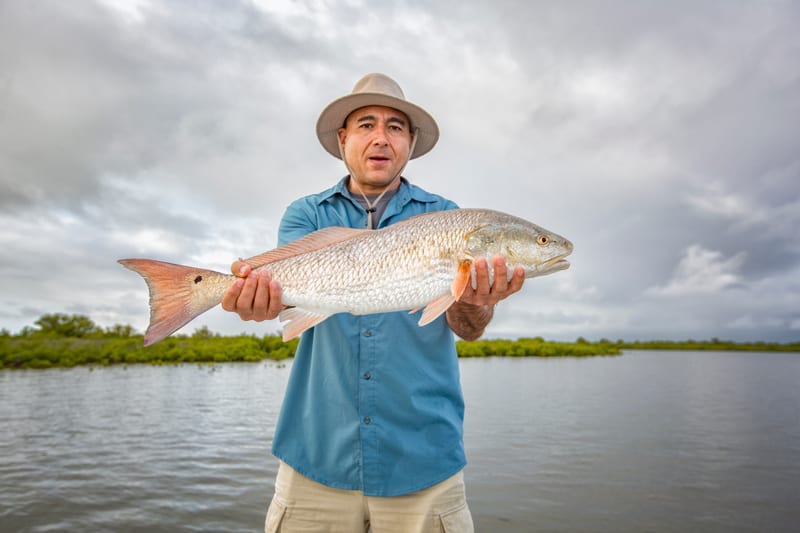
- Circle hooks with live bait dramatically cut gut-hooking on snook, redfish, and tarpon — the hook finds the jaw corner as the fish turns.
- Gut-hooked fish: cut the leader. Cut as close to the hook as safely possible and release. Studies across species show better survival leaving the hook than tearing it out; non-stainless hooks corrode out.
- Crush barbs when you’re fishing a hot catch-and-release bite — you’ll lose almost no fish and halve your handling time.
FWC’s full handling guidance: FWC fish handling page.
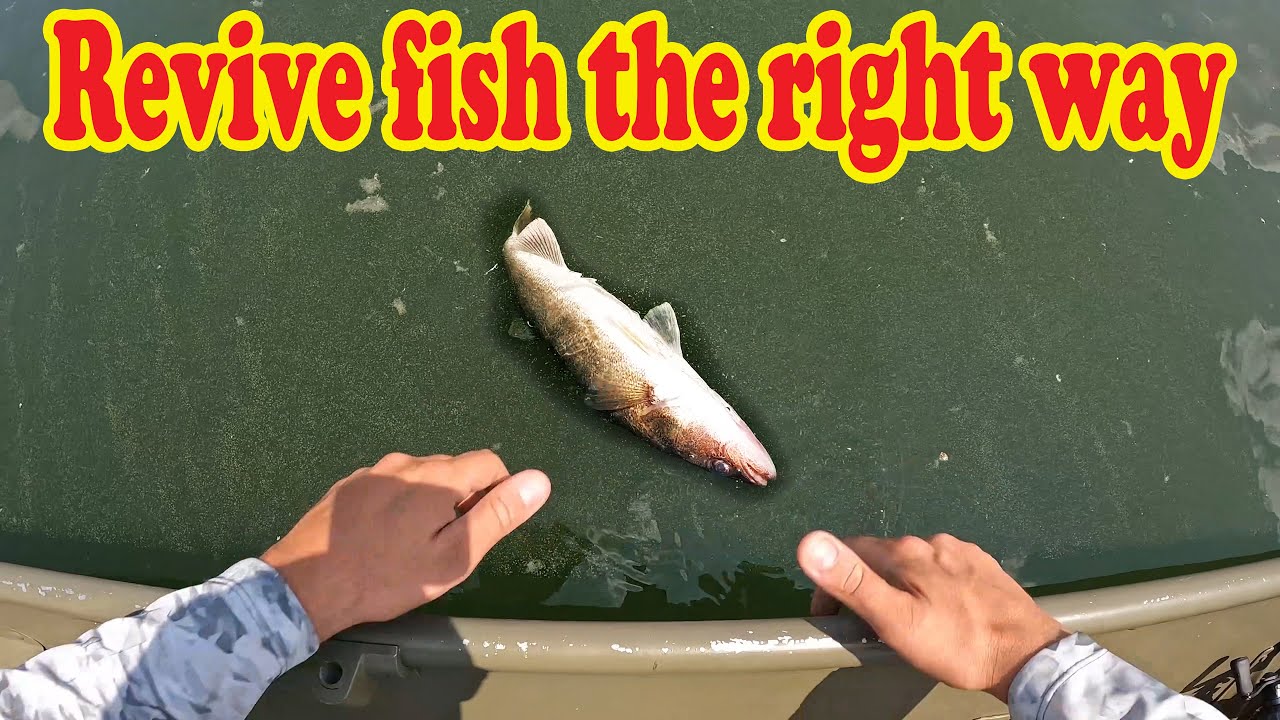
How do I revive an exhausted fish?
Water must flow front to back over the gills — that’s the whole trick.
- Hold the fish upright in the water, one hand on the jaw or wrist of the tail.
- Move it forward: idle the boat ahead slowly with a tarpon in tow at the leader, or sweep the fish forward by hand. Do not saw it backward and forward — reverse flow does nothing.
- Watch for the signals: gills pumping steadily, color returning, body righting itself.
- Release when the fish pulls away under its own power. A minute-long revival is normal; a big tarpon in warm water can take five or more.
Deep-water reef fish (grouper, snapper) have a different problem — barotrauma. In Gulf federal waters you’re required to have a descending device or venting tool rigged and ready when reef fishing. Learn the technique at Return ‘Em Right, which sends free descending gear to Gulf anglers.
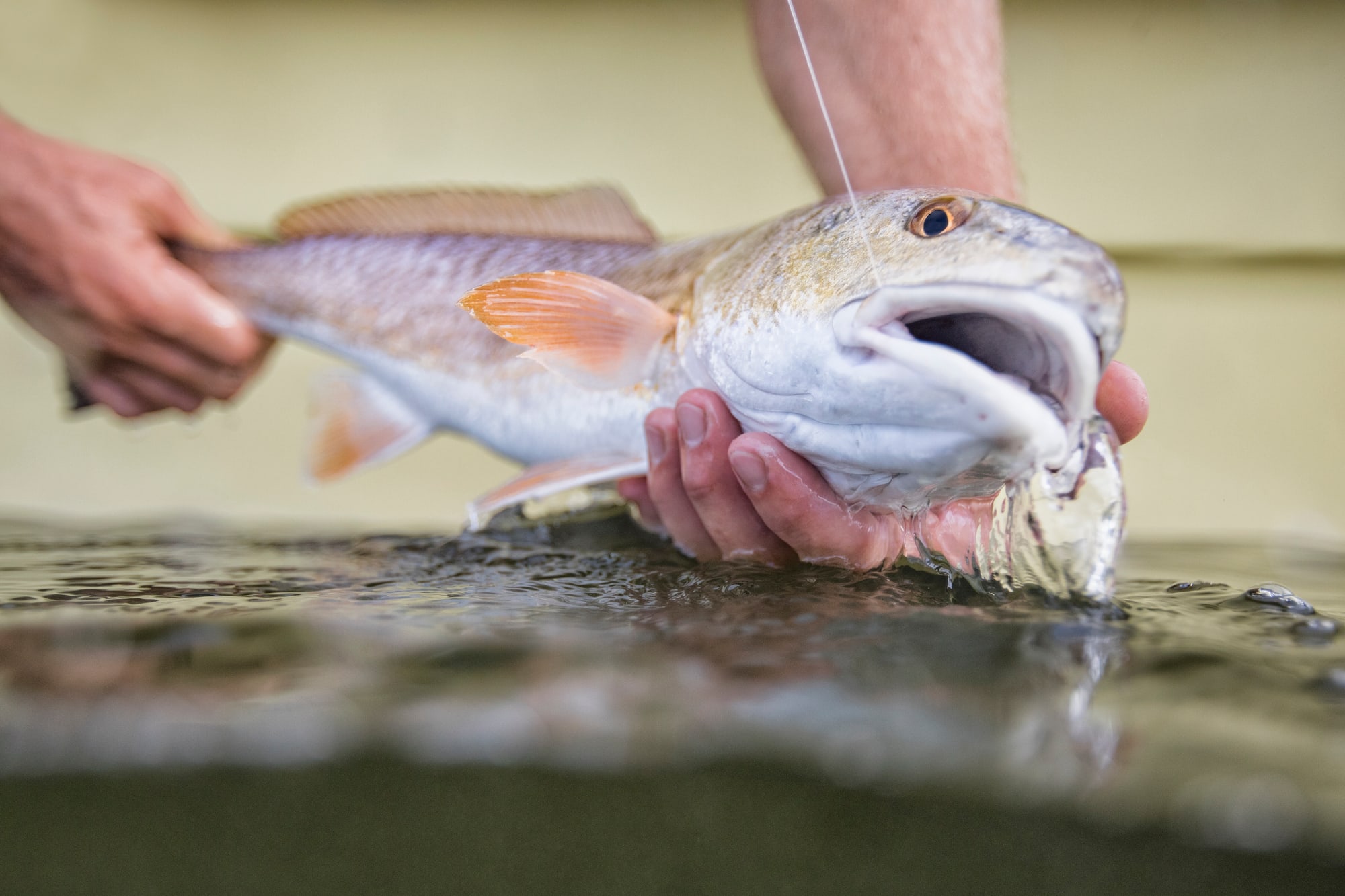
Release when the fish pulls away under its own power.
FAQ
Is it illegal to lift a big tarpon out of the water in Florida? Yes. Any tarpon over 40 inches must remain in the water — no boating it, no dragging it onto the sand for photos. The $51.50 tarpon tag exception exists only for a pursued IGFA world record.
Do released fish actually survive? Mostly — when handled well. Survival correlates directly with fight time, air exposure, and hook location. Jaw-hooked, quickly released fish survive at high rates; gut-hooked, long-fought, extensively handled fish don’t. Technique is the variable you control.
What net should I use for catch and release? Knotless, rubber-coated mesh. Traditional knotted nylon strips slime and splits fins. Bigger basket than you think you need — folding a 30-inch snook into a trout net does damage.
Should I stop fishing for tarpon when sharks show up? Yes — move. Hooking another tarpon with an active hammerhead in the pass converts your release into a feeding. It’s the accepted etiquette at Boca Grande and on the beach.
Does catch and release apply during tournaments? The SWFL tarpon tournaments are all-release by rule and Florida law; snook and redfish events run photo-and-release formats. Conservation groups like BTT and Mote Marine partner with several local events.
Related
Know the rules behind the releases: the FWC regulations guide explains slots, seasons, and the no-take list, and the Florida fishing license guide covers the permits harvest requires. Species handling context lives on our tarpon, snook, and redfish pages — and if you want to learn boatside handling from someone who does it nightly all summer, ride along on a tarpon charter.