
Trolling in Sarasota: Spanish Mackerel, Kingfish & Grouper Plugs
How to troll off Sarasota: Clarkspoons at 5–6 knots for Spanish mackerel, slow-trolled blue runners for spring kings, and deep plugs for fall grouper.
How We Fish It.
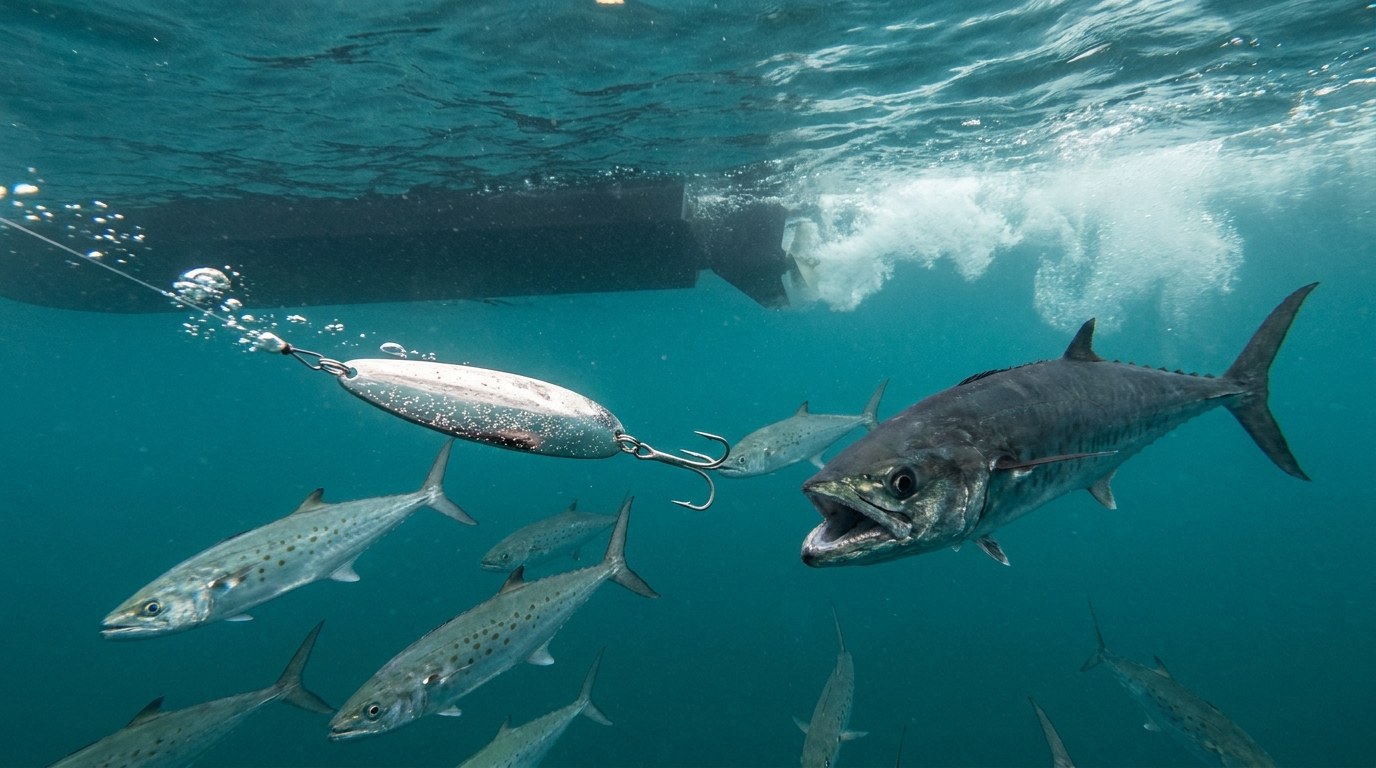
Trolling is the most forgiving technique on the Sarasota coast: drag a #0 Clarkspoon down the beach at 5–6 knots in spring or fall and Spanish mackerel hook themselves. The same principle — cover water until the fish tell you where they are — scales up to slow-trolled live baits for king mackerel and big lipped plugs bumped along 25–50 ft ledges for grouper. Boat handling is the skill; the rods mostly fish themselves.
When is trolling season off Sarasota?
| Target | Runs | Water | Speed |
|---|---|---|---|
| Spanish mackerel | Mar–May and Oct–Dec | Beaches, passes, nearshore reefs, 15–30 ft | 5–7 kt |
| King mackerel | Apr–May and Oct–Nov | Hard bottom and reefs, 20–60 ft | 1.5–3 kt |
| Gag grouper | Sep–Nov (season-dependent) | 25–50 ft ledges | 4–5 kt |
| ICW mixed bag | Year-round | Channel edges | 3–5 kt |
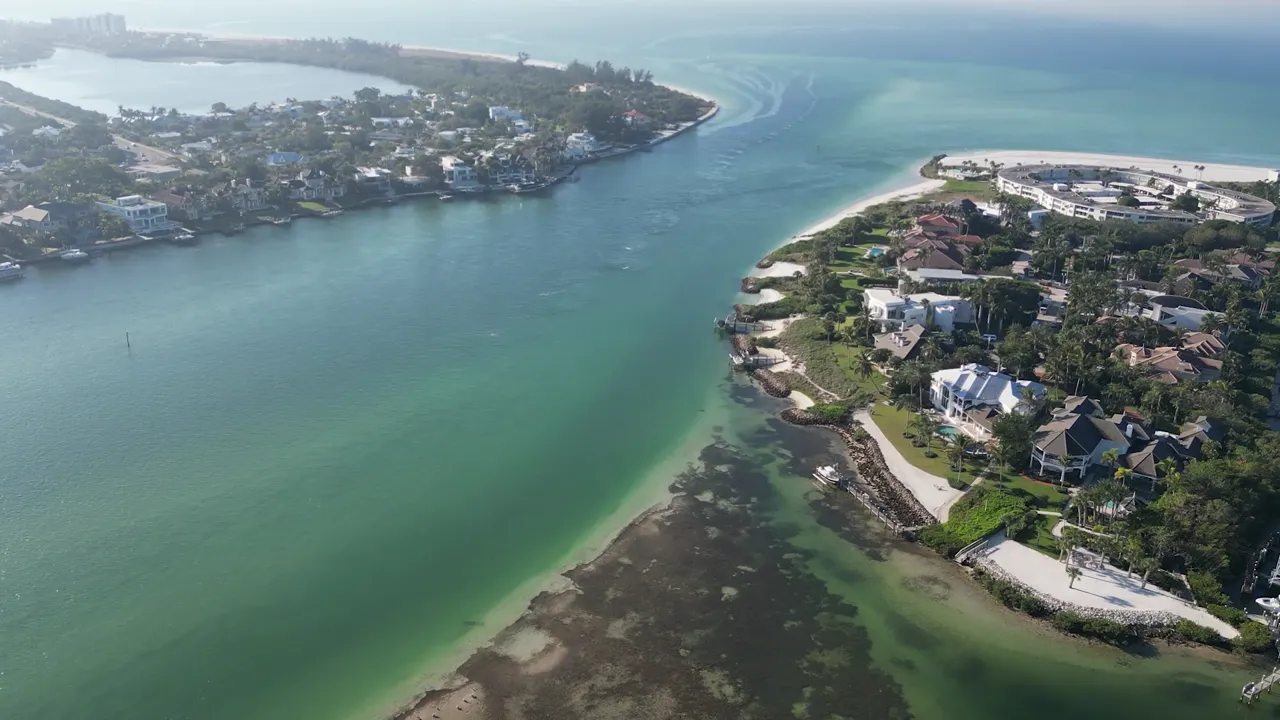
The Spanish run is the show. In April the stretch off Lido and Siesta can be a literal birds-every-200-yards situation — diving terns and pelicans over “showers” of glass minnows from Anna Maria Island to Venice, concentrated around Big Sarasota Pass, New Pass, and Longboat Pass. The spring kingfish run stacks off AMI, where a kingfish-tournament culture runs out of Cortez every spring. Current size and bag rules for both mackerels are on FWC’s recreational regulations pages — verify before you fish.
What’s the Spanish mackerel spread?
The entry version, and the one to teach kids on:
- Any 3000–4000 spinning or light conventional outfit, 15–20 lb braid.
- Long 30 lb fluorocarbon shock leader to a #0–#1 Clarkspoon.
- One line behind a 1–2 oz trolling sinker, one behind a small #1 planer for depth. Without the sinker the spoon spins uselessly on the surface.
- 5–6 knots, lines staggered at roughly 100 ft and 150 ft back.
The run-and-gun sequence:
- Run the beach in 15–30 ft scanning for birds and bait showers.
- Deploy both lines and troll the edges of the bait school — driving through the middle puts the whole school down.
- When a rod bows, keep the boat moving until the fish is hooked, then slow down.
- Cut-offs happen: start with fluoro for more bites, and add 6” of #3 single-strand wire once you’ve lost two spoons.
Toothy fish and treble hooks are a bad mix at the boat. Long pliers, a wet rag, and a swing-aboard release beat fingers near a mackerel’s mouth every time.
How do you slow-troll for king mackerel?
Kings eat a live bait crawling along at walking pace. The local program for the April–May and October–November runs:
- 7’ medium-heavy conventional rod, 20–30 size reel, 20–30 lb mono or braid.
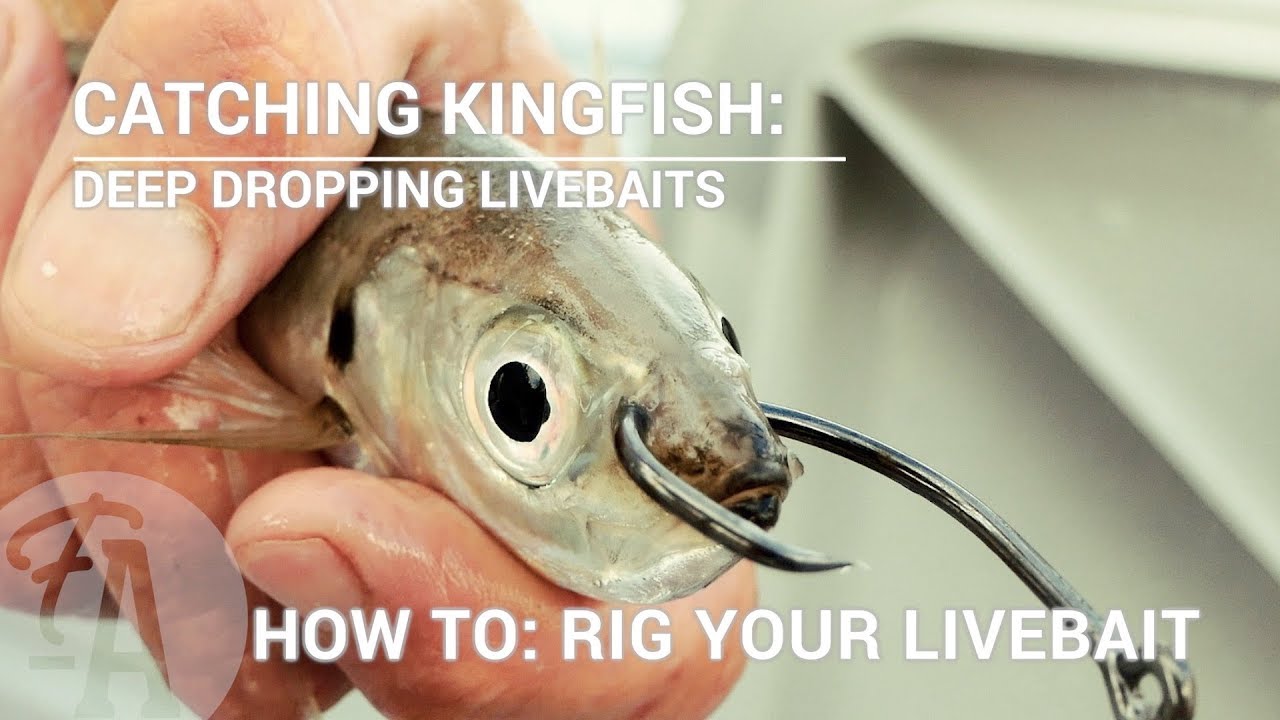
- Stinger rig: 3–4 ft of #4 single-strand wire, a 1/0 live-bait hook through the nose of a live blue runner or threadfin, and a #4 treble swinging free (“the stinger”) near the tail — kings slash baits in half, and the stinger catches the short strike.
- 1.5–3 knots over hard bottom and reefs in 20–60 ft, staggered flat lines plus a downrigger or planer line to cover depth.
Catch the bait first: sabiki up blue runners around channel markers, or net threadfins on the live bait program. A slow-trolled frisky bait out-produces everything else the kings see that day.
Can you troll up a grouper?
Yes — and it’s the most beginner-viable way to catch a fall gag, because it requires no anchoring skill. September–November, pull big lipped plugs (Mann’s Stretch 25/30+ or Nomad DTX Minnow) along 25–50 ft ledges and hard-bottom edges at 4–5 knots on a 50–80 lb conventional outfit with 200+ ft of line out. Thin braid, a big lip, and distance are what get the plug to the bottom; if it never bumps, it never gets bit. Cross-check season dates on the FWC reef fish pages before you keep anything — gag windows have been short in recent years — and rig a descending device per the FWC rule. Once you find fish on a ledge, stop and work it with the bottom fishing program.
Is there an inshore trolling game?
Underrated and nearly skill-free: dragging small spoons or jigs along ICW channel edges picks up Spanish mackerel, bluefish, jacks, ladyfish, and seatrout — a productive way to cover the bay with kids aboard, and a fallback on windy days when the beach is unfishable. 3–5 knots, one flat line per side, done.
What does a spring trolling morning look like?
A concrete plan for an April Saturday out of Big Sarasota Pass: lines in by 7:30 a.m., run south along Siesta in 20 ft watching for birds. First bait shower usually shows within two miles. Two Clarkspoon lines out, 5–6 knots along the edge of the school — expect Spanish in the 2–4 lb class, with ladyfish and jacks mixed in, and bonito (little tunny) crashing the party as you work deeper water. When the school sounds, don’t chase it in circles; keep trolling the same contour and it will show again within ten minutes. Box a few Spanish for the smoker, then finish the morning dropping baits on an M-series reef on the way home — the bottom fishing double-header is the standard local combo trip. Spanish mackerel regs (12” fork minimum) are on the same FWC pages linked above.
What are the classic trolling mistakes?
| Mistake | Result | Fix |
|---|---|---|
| Trolling through the bait school | School sounds, birds leave | Work the edges |
| No trolling sinker on the spoon | Spoon spins on surface | 1–2 oz sinker or planer |
| Grouper plug never reaching bottom | Zero strikes | Thin braid, 200+ ft out, bigger lip |
| Wire leader from the first cast | Fewer Spanish bites | Start fluoro, switch after two cut-offs |
| Stopping the boat on the first strike | Missed multiple hookups | Keep moving until hooked up |
| Treble-handling green mackerel | Sliced fingers | Pliers, wet rag, or single hooks |
FAQ
What speed do you troll for Spanish mackerel? 5–6 knots with Clarkspoons, up to 7 when fish are aggressive. Kings want the opposite — live baits at 1.5–3 knots.
Do I need downriggers off Sarasota? No. In 15–30 ft, a 1–2 oz trolling sinker or a #1 planer covers the water column. Downriggers earn their keep in the 30–60 ft kingfish zone but planers do the same job cheaper.
What license do I need? A Florida saltwater fishing license from GoOutdoorsFlorida, plus the free State Reef Fish Angler designation if you’ll target grouper from a private boat.
Where do the fish come from — do I need numbers? For Spanish, the birds are the numbers. For kings and grouper, start with the published Sarasota County reef coordinates and troll the depth contours between marks.
Is trolling good for kids? The best. No casting, visible strikes, fast fish, and steady action during the spring and fall runs — pair it with the ICW mixed-bag drag on rough days.
Related
Trolling finds the fish; other techniques finish the job. Stop and drop on marks with the bottom fishing guide, cast jigs into surfaced mackerel schools, and keep the well loaded via the live bait guide. Species detail: Spanish mackerel, king mackerel, and gag grouper.
Drag a Clarkspoon down the beach at 5–6 knots and the mackerel hook themselves.
Trolling on Video
14 public videos from 12 channels, sorted by subject. Nothing plays until you click it.
How-To & Setup
4Building and running a trolling spread for nearshore and offshore fish.

The Easiest Spread for Trolling - Trolling for Mahi Mahi, Tuna and Kingfish - Fishing How to
Beginners guide to SALTWATER TROLLING

How to Set a Trolling Spread - Florida Sport Fishing TV- Lures, Lines, Outrigger Use

Master Offshore Trolling: Top 5 Techniques You Need to Know! (+Bonus Tip)
Spanish Mackerel & Kingfish
7The nearshore Sarasota bread-and-butter: spoons, planers, and slow-trolled baits.

Slow Trolling for Monster Kingfish - ft. 1Rod1ReelFishing
Catching Kingfish: How to rig a live bait - deep dropping or slow trolling
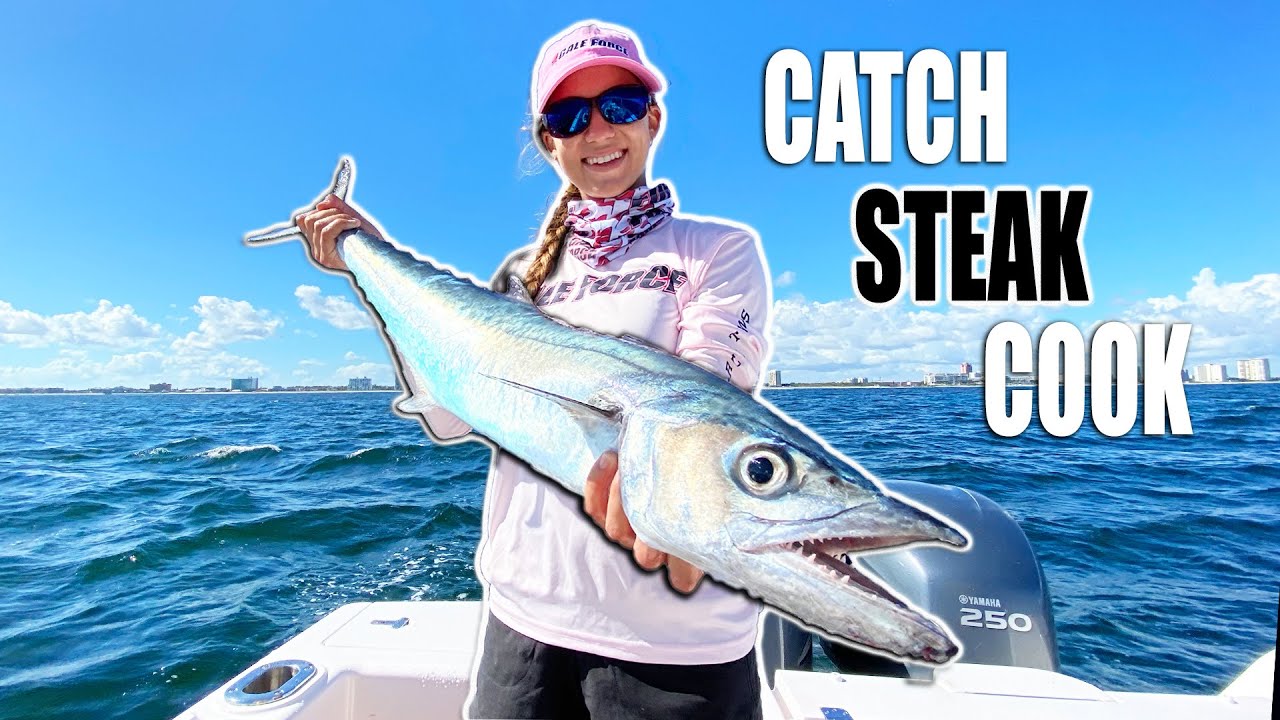
HOW TO CATCH KINGFISH TROLLING with wind on planer! Catch Clean Cook

Slow Trolling King Mackerel - Florida Sport Fishing TV - Tackle, Technique, Best Baits

How to set up a trolling line for Spanish Mackerel

How To Troll for Spanish Mackerel

Trolling for Spanish Mackerel on Spoons
On the Water / Offshore
3Trolling trips over Gulf reefs and structure.

TROLLING! and JIGGING! the GULF of MEXICO in a *24ft* BAY Boat
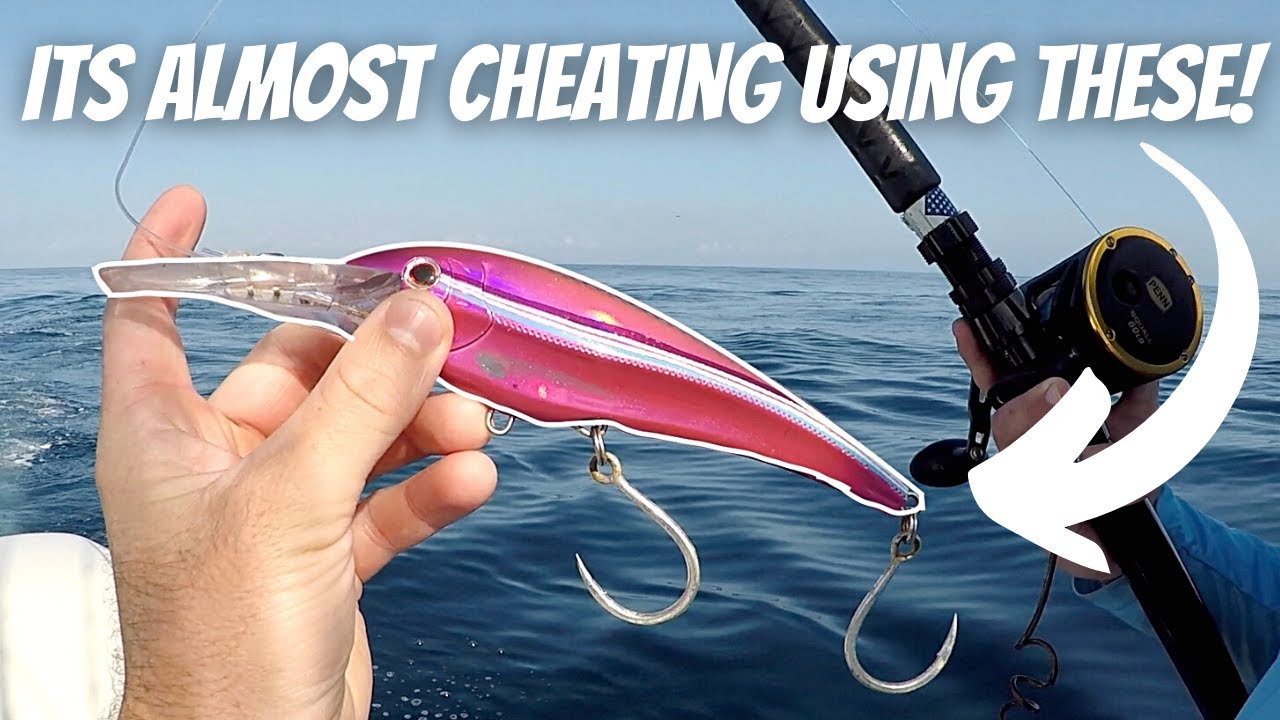
Trolling GIANT LURES For Offshore Reef Monsters

JIGGING, CASTING, and TROLLING the GULF for our Dinner.....[Epic Results]
Gear Checklist.
- 3000–4000 spinning or light conventional outfit
- #0–#1 Clarkspoons, 1–2 oz trolling sinkers, #1 planer
- 30 lb fluorocarbon leader; #3 single-strand wire backup
- 7' medium-heavy conventional + stinger rigs (kings)
- 50–80 lb outfit with Stretch 25/30+ plugs (grouper)
Charters Featuring Trolling.
Nearshore Charters in Sarasota: Reefs, Tripletail & Kingfish
Nearshore charters from $500 fish reefs 1–9 miles off Sarasota in 20–45 ft: tripletail on trap buoys Oct–May, kings, cobia, Spanish mackerel and sharks.
Offshore Charters from Sarasota: Grouper, Snapper & Kingfish
Sarasota offshore charters: half days from ~$895, long days on big boats up to $5,000. Grouper and snapper on reefs 6–40 miles out, kings on the troll.
Trolling for Specific Species.
Trolling for King Mackerel off Sarasota, FL
Trolling for king mackerel off Sarasota: April and late-October runs, slow-trolled blue runners on wire stinger rigs over 30-60 ft reefs, smokers to 40 lb.
Trolling for Spanish Mackerel in Sarasota, FL
Trolling Spanish mackerel off Sarasota: Clarkspoons at 5-7 knots along the beaches, Mar-May and Oct-Nov runs, birds mark the fish. Easiest trip on the coast.