Inshore Fishing
Charters.
Snook, redfish, and seatrout on the protected water of Sarasota Bay — calm, close, and catching. The most-booked trip on the coast, and the right first trip for almost everyone.
Calm Water,
Close to Home, Catching.
Inshore means the protected water between the barrier islands and the mainland — Sarasota Bay, the grass flats, mangrove shorelines, docks, and the passes. Short runs, no swell, steady action. If the Gulf is blown out, the bay usually still fishes. This is where new anglers land their first snook and seasoned ones chase a tailing red across a foot of clear water.
- Fishing license coverage for everyone aboard
- Rods, reels, terminal tackle
- Live bait (pilchards or shrimp)
- Ice and cooler space
- Fish cleaning and bagging of legal catch
Typical for this trip type — the exact list is the captain's and is confirmed when you book.
Ranges are ballparks, not quotes — season, target species, weather, group size, and fuel all move the number. Call or text us for an exact quote on your dates.
The Local Big Three.
Snook, redfish, and spotted seatrout — the inshore slam. Every trip is built around them, and the mix rotates with the season. Tap any fish for the full guide: seasons, rules, and how we target them.
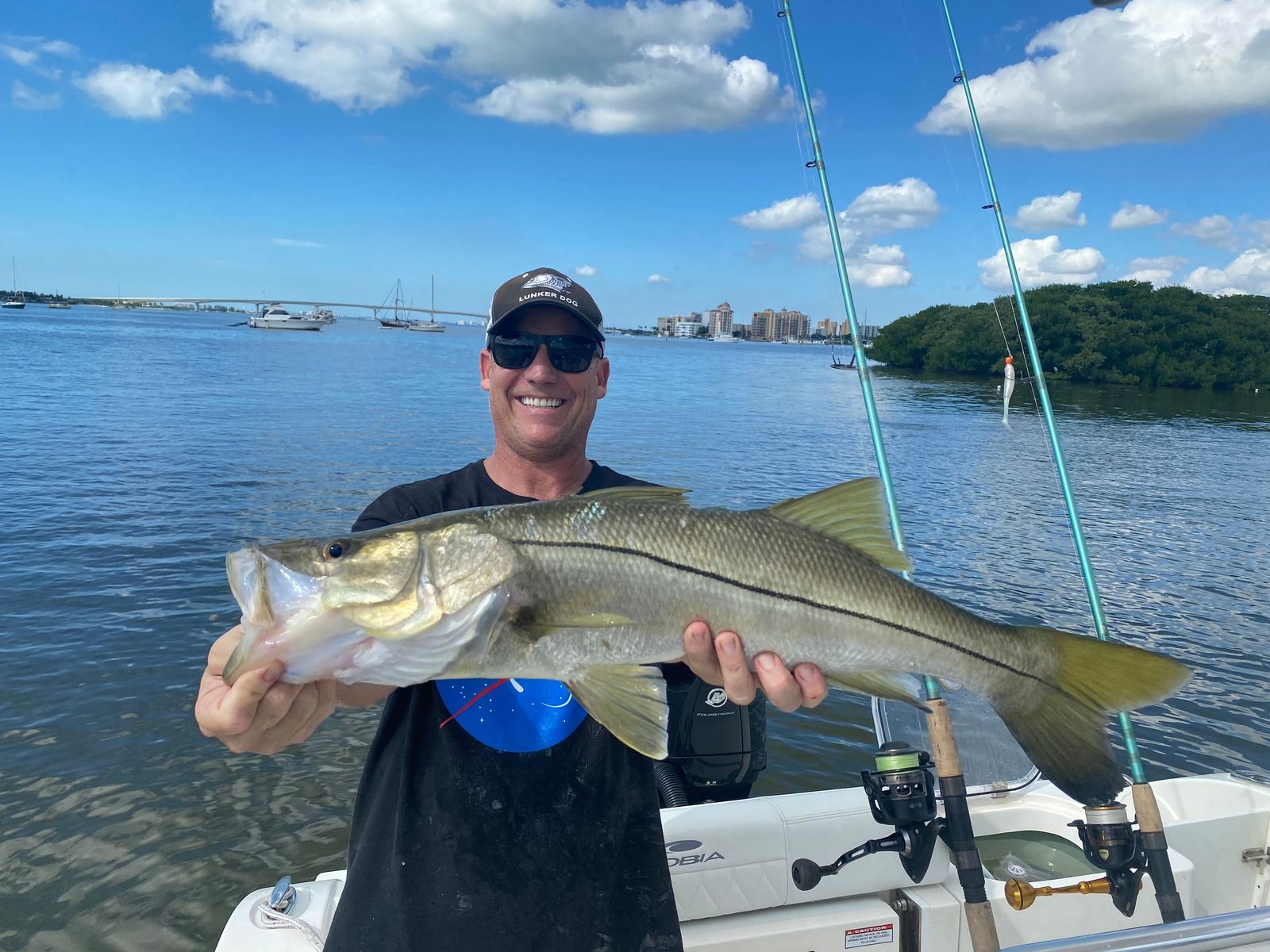
Snook
The prize of the mangrove line. Ambush predators that crush a live pilchard at first light — 28–33″ slot, released half the year, and the fish most first-timers come back for.
Open the Snook guide →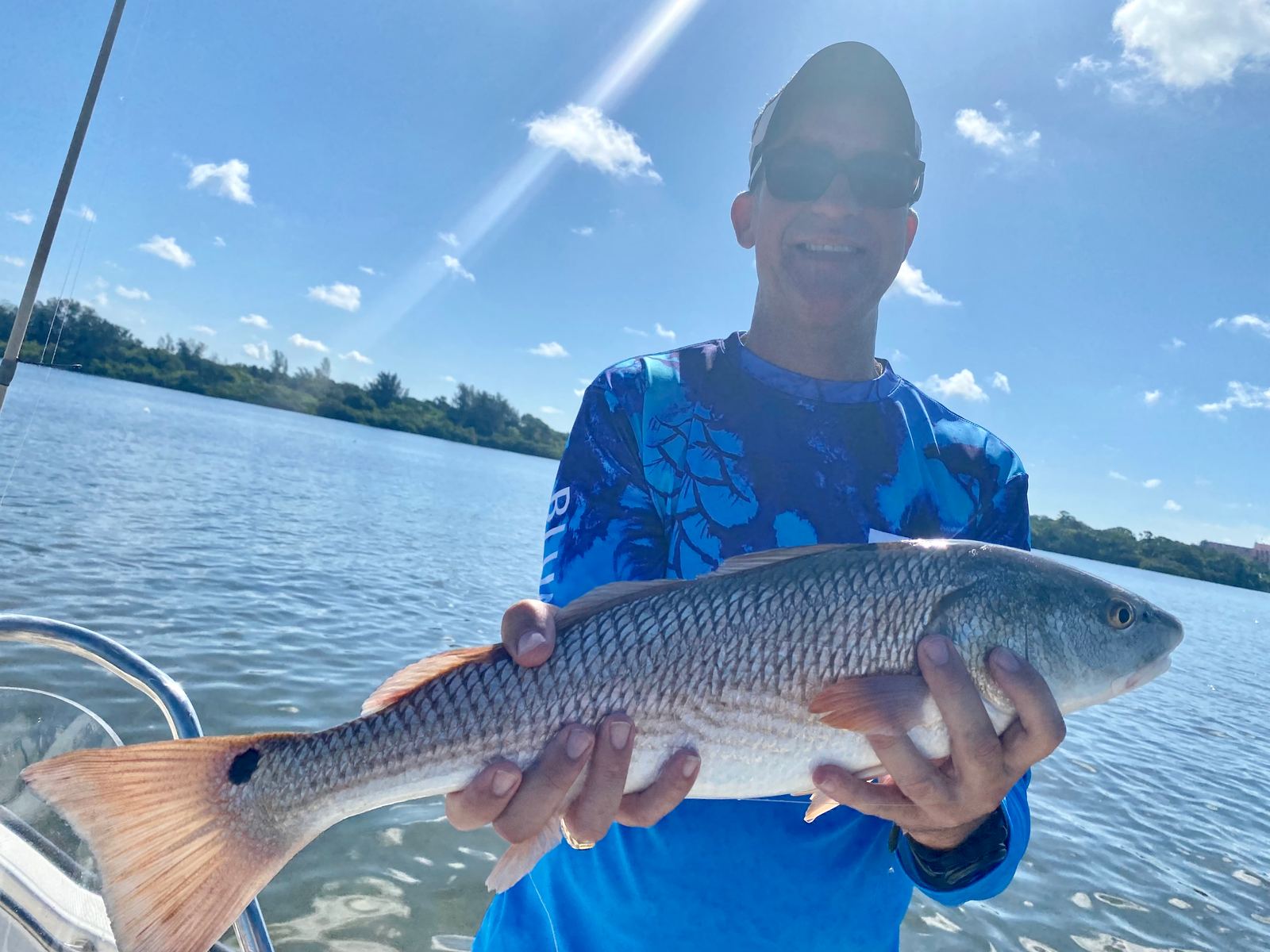
Redfish
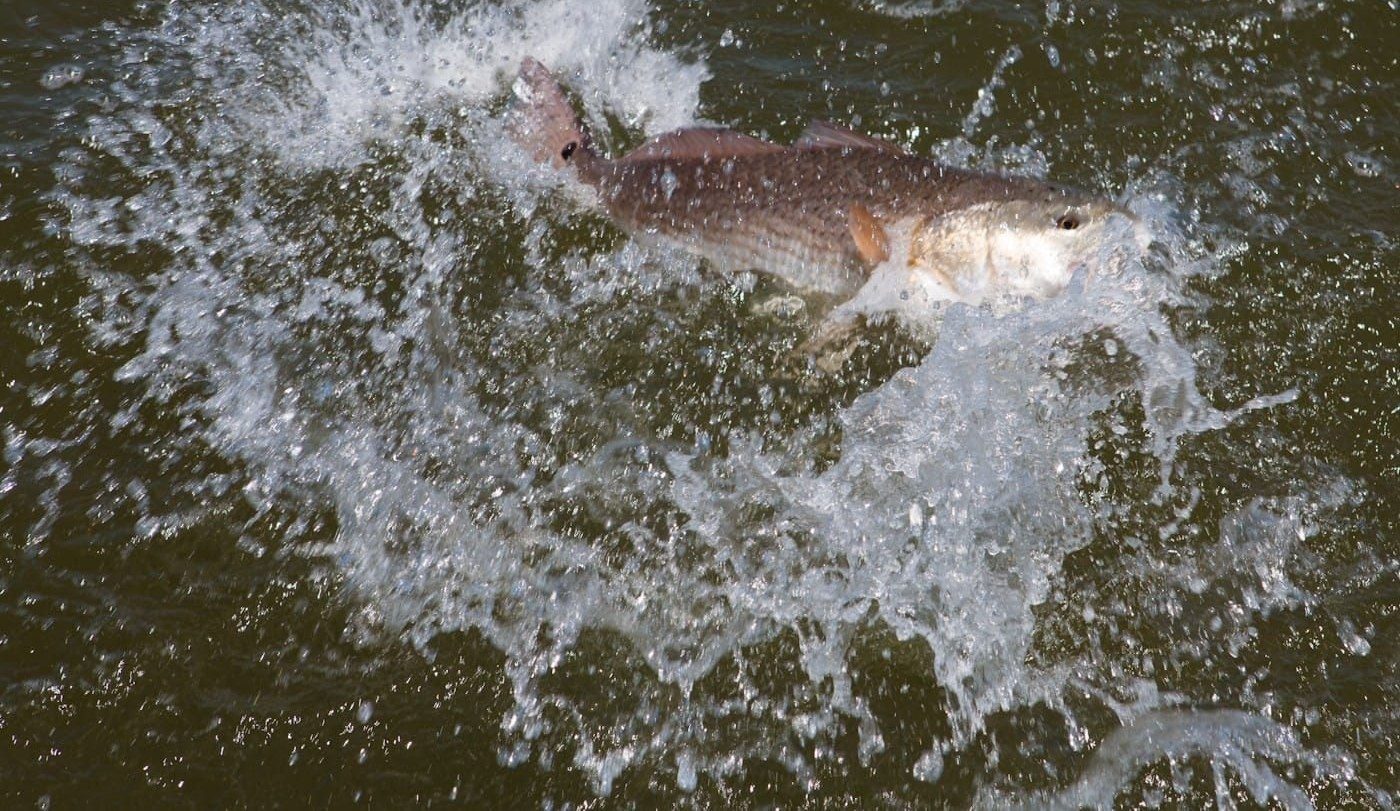
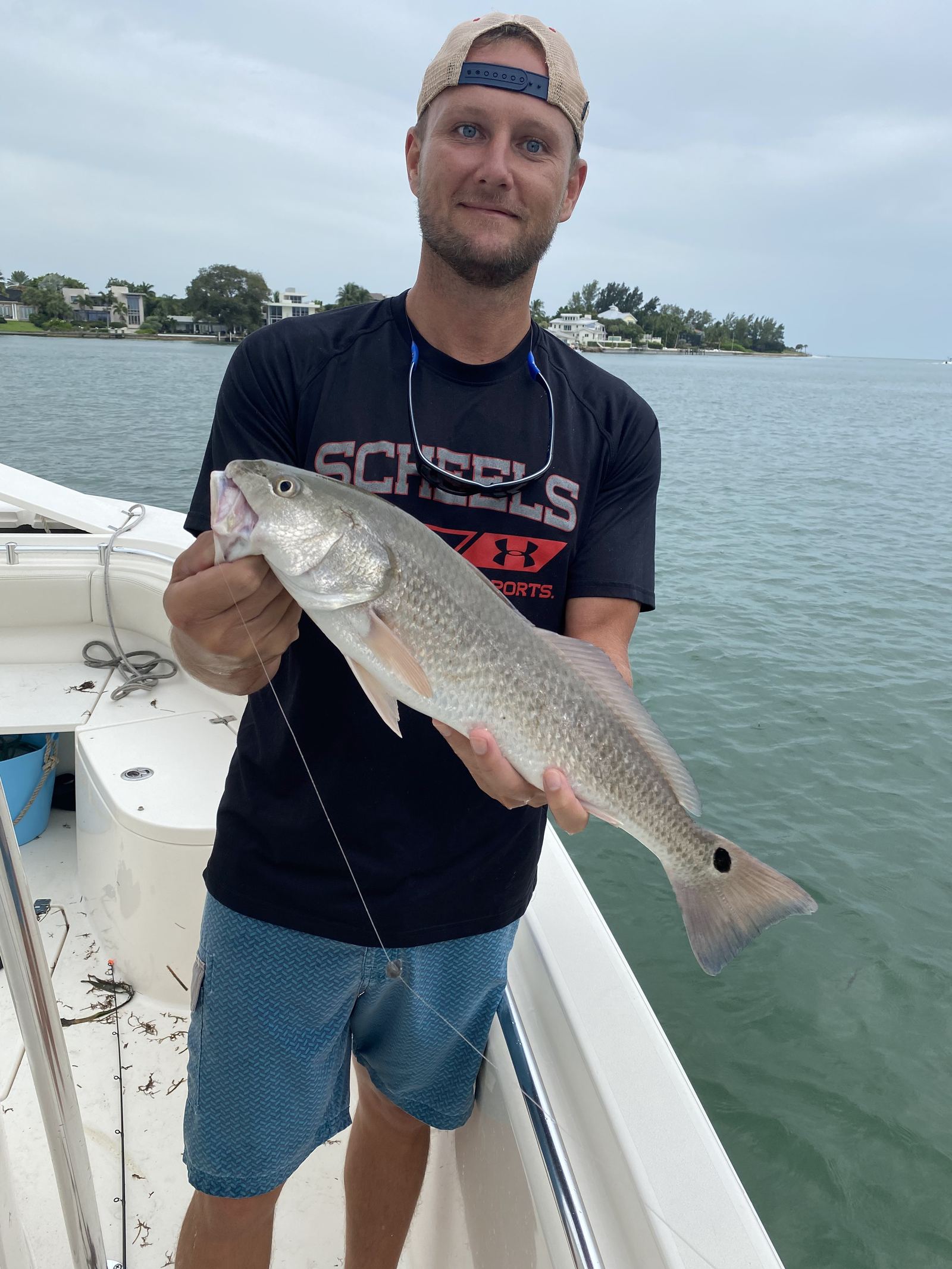
Copper-bronze and hard-pulling, tailing the flats on a low tide and schooling by the hundreds in fall. Beginner-friendly, big-fish payoff, and the easiest of the three to put in the boat.
Open the Redfish guide →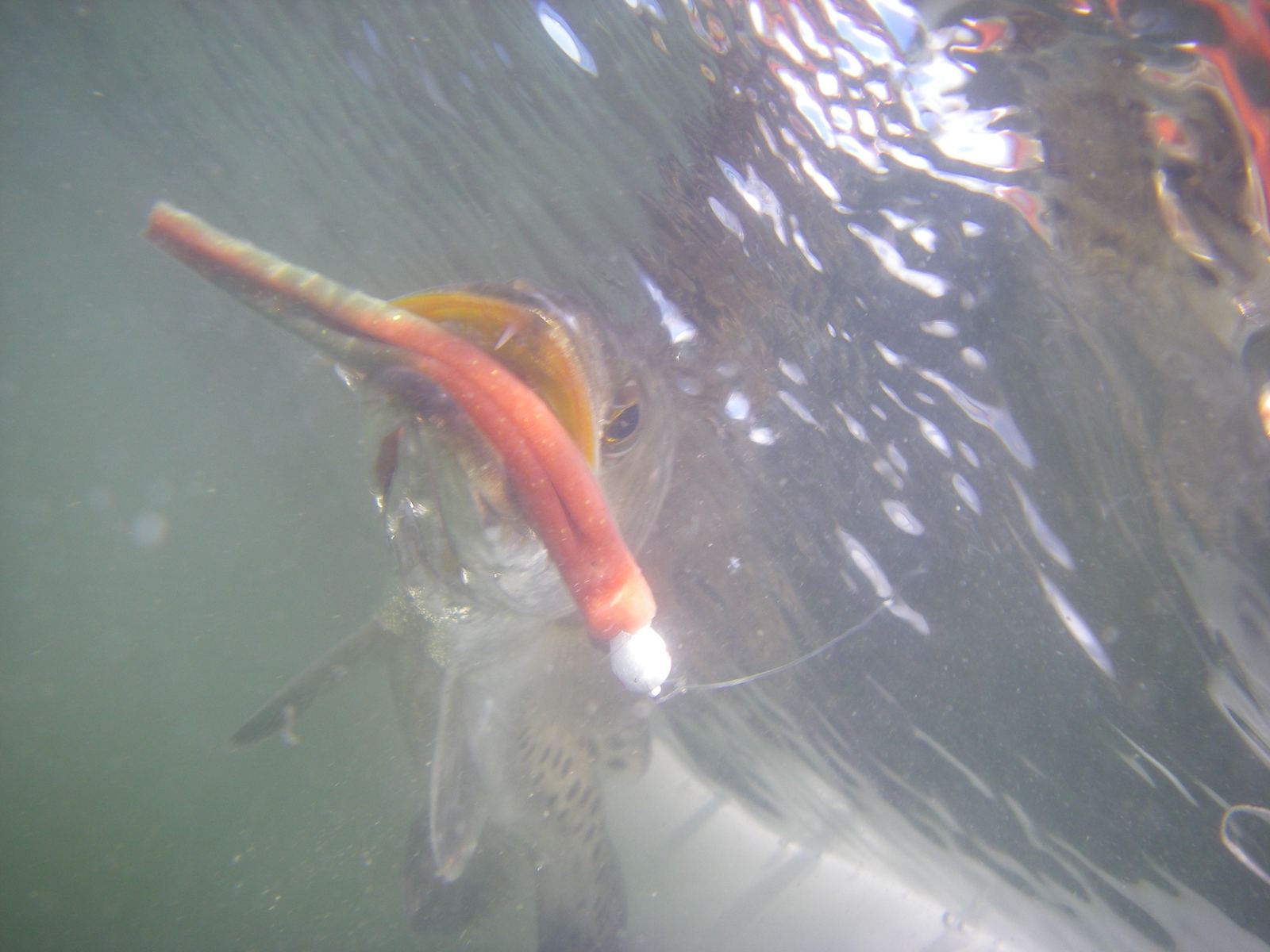
Spotted Seatrout
The bread and butter of Sarasota Bay. A popping cork over the grass flats keeps rods bent all day — the crowd-pleaser that turns a slow morning into a good one.
Open the Spotted Seatrout guide →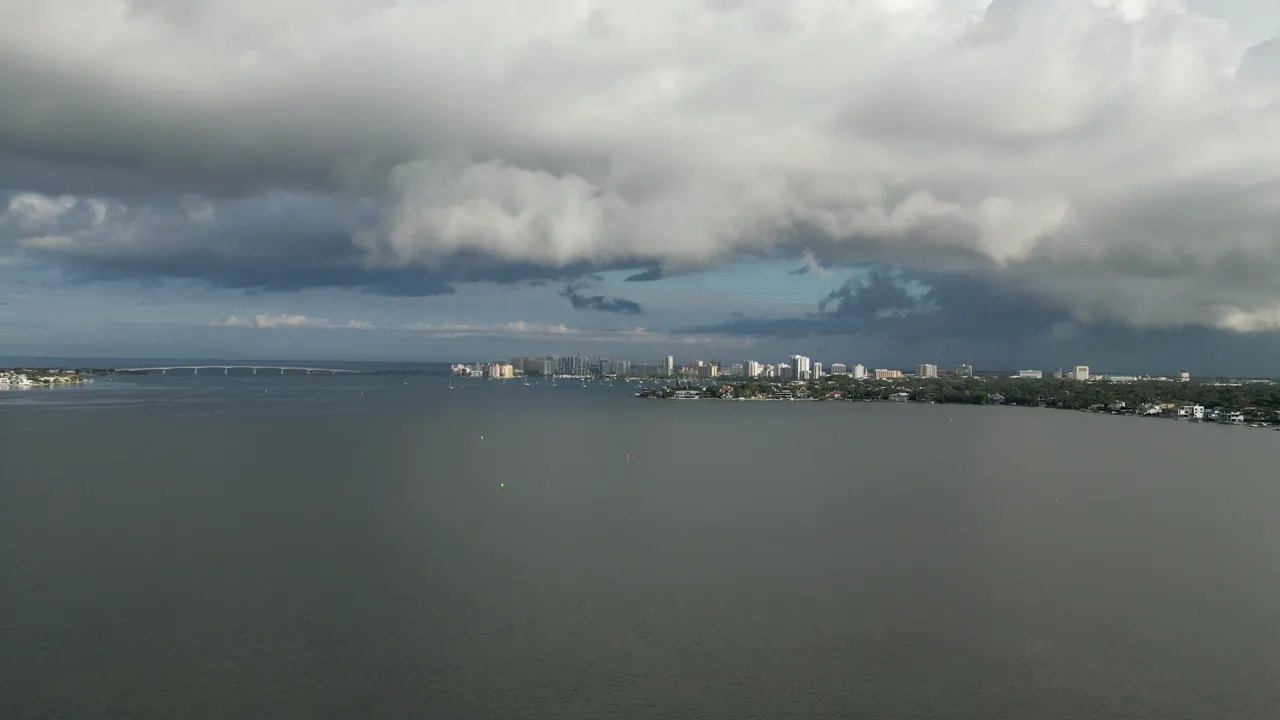
The bay fishes twelve months a year.
Everything About
an Inshore Day.
An inshore charter fishes the protected water between the barrier islands and the mainland — Sarasota Bay, the grass flats, mangrove shorelines, docks, and the passes — for snook, redfish, and spotted seatrout. Half-day trips run about 4 hours, cost roughly $450–$1,200 depending on length, boat, and captain, and include tackle, bait, and license coverage. It is the most-booked trip type on this coast and the right first trip for almost everyone.
Ranges, not quotes — season, species, weather, group size, and fuel all move the number. Call or text us for an exact quote on your dates.
What is an inshore fishing charter?
Inshore means bay and backcountry: water from 1 to 12 feet deep, always within sight of land, on a bay boat or flats skiff carrying 1–4 anglers. No long runs, no swells — if the Gulf is blown out, the bay usually still fishes. The core targets are the local “big three”:
| Species | Best months | Typical size | 2026 rule (Sarasota Bay region) |
|---|---|---|---|
| Snook | Apr–Jun, Sep–Nov | 22–34” | 28–33” slot, 1/day, closed Dec–Feb and May 1–Aug 31 |
| Redfish | Sep–Nov | 18–30” | Check current FWC status before keeping |
| Spotted seatrout | Year-round | 14–20” | 15–19” slot, 3/person (new regional rule, Apr 2026) |
Regulations move. Verify current rules at the FWC saltwater regulations page before you fish, and read the snook-specific rules — Sarasota Bay is its own management region.
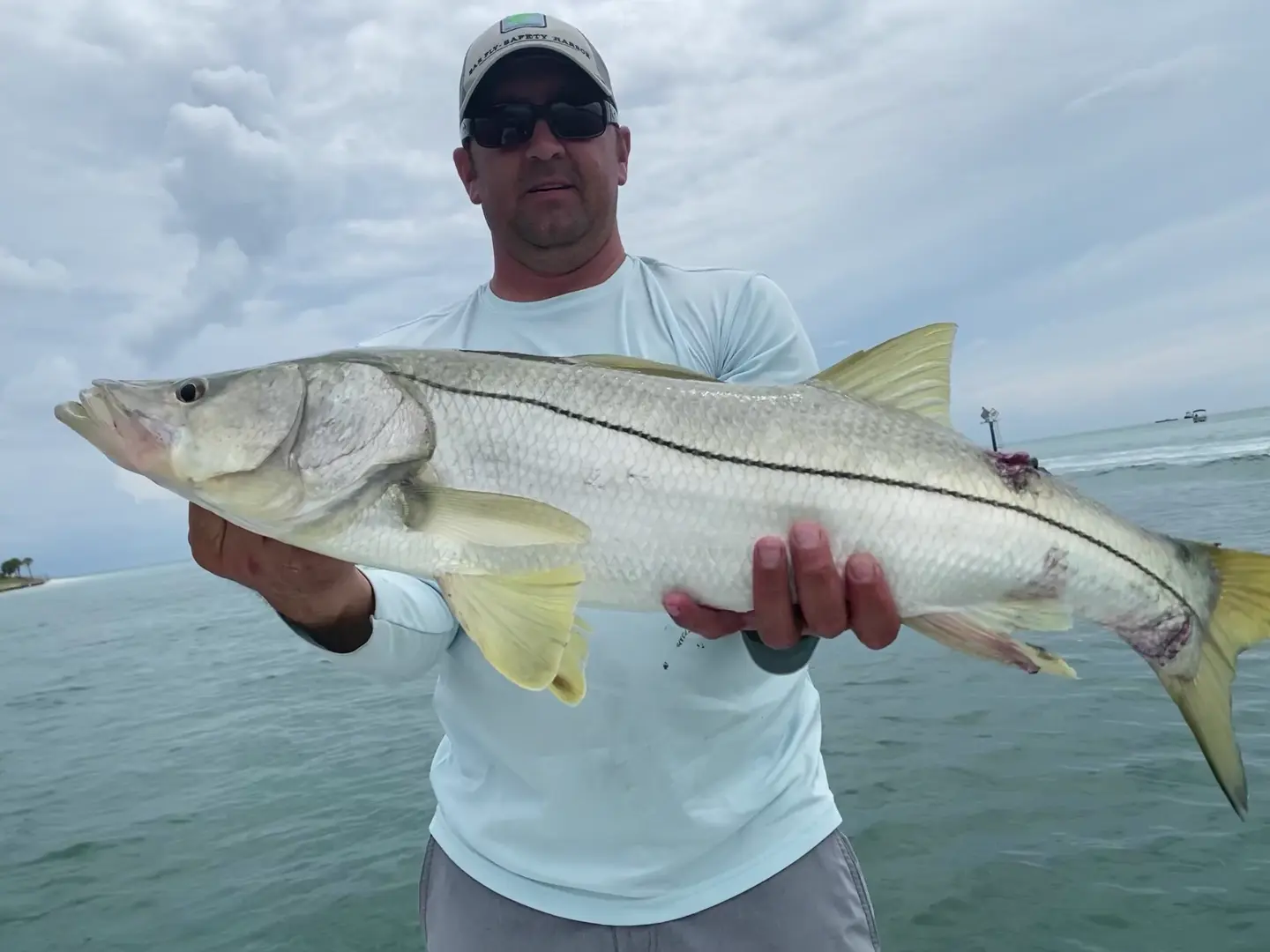
Snook: a 28–33 inch slot, one per day, and closed all summer.
Who is an inshore trip right for?
- First-timers and kids. Calm water, constant casting, frequent bites. If anyone aboard is under 10 or prone to seasickness, book inshore, not offshore. A dedicated kids and family trip slows the pace further.
- Skilled anglers chasing a slot snook or overslot red. Tell the captain up front — that trip runs different water at different tides than a “keep the rods bent” trip.
- Small groups. Flats skiffs take 2–3; bay boats 4–6. Extra-angler fees run $50–$100.
What does a half-day inshore charter look like hour by hour?
| Time | What happens |
|---|---|
| 7:30 am | Meet at the ramp or dock; captain has already castnetted bait |
| 7:45 | Short run — 10–20 minutes to the first flat or mangrove line |
| 8:00–9:45 | Prime bite: live pilchards or shrimp along mangroves and potholes |
| 9:45–10:45 | Move with the tide — docks, grass edges, or the passes |
| 10:45–11:15 | Last stop, often a seatrout drift to finish on numbers |
| 11:30 | Back at the dock; captain cleans and bags legal catch |
Afternoon half-days run the mirror image, roughly 1–5 pm. In the summer heat we’ll push the start a little earlier — call it 7 am — to beat the sun and fish the morning bite.
When is the best season for inshore fishing in Sarasota?
There is no closed season on the trip itself — inshore produces 12 months a year, the cast list just rotates.
- Spring (Mar–May): the peak. Bait floods the bay, snook stage toward the passes, big seatrout on the deep grass.
- Summer (Jun–Aug): early starts beat the heat; snook along the beaches and passes (season closed — release them), mangrove snapper everywhere.
- Fall (Sep–Nov): redfish school, snook reopen in September in the Sarasota Bay region, and the bay’s best sight-fishing arrives with live-bait and topwater both working.
- Winter (Dec–Feb): negative low tides expose tailing redfish; sheepshead stack on docks. Wind, not cold, cancels trips.
Check tide timing before you pick a date — moving water drives everything inshore. Free predictions at NOAA Tides & Currents.
What does an inshore fishing charter in Sarasota cost?
Figure $450 to $1,200 across the board. The bottom of that range buys a short trip; most half days sit nearer $600, and six- to eight-hour days on bigger boats run to the top. Each additional angler typically adds $50–$100. Trip length, boat type, season, and fuel move the final quote — call or text for pricing on your dates.
Every charter includes fishing license coverage (no separate license needed), tackle, rods, reels, terminal tackle, live bait (pilchards or shrimp), ice, cooler space, and fish cleaning and bagging of legal catch.
What is included on an inshore fishing charter?
Standard on every private inshore charter in the Sarasota market:
- Saltwater fishing license coverage for all passengers (you do not need your own license to fish aboard)
- Rods, reels, and terminal tackle
- Live bait (pilchards or shrimp)
- Ice and cooler space for your catch
- Fish cleaning and bagging of all legal catch
What to bring: sunscreen, polarized glasses, a hat with a brim, non-marking shoes (to protect the boat’s finish), and your own food and drinks. Many anglers also bring a camera, though most captains will handle photography boat-side.
Where do inshore charters fish around Siesta Key?
Big Sarasota Pass lies between Siesta Key and Lido Key and holds snook and redfish year-round. Captains fish the bar edges and channel swings, with the bite tied to moving tides. The Siesta Drive bridge shadows hold snook at night, where they position on the up-current edge of shade lines.
North Siesta Key canals host dock-light snook on green underwater lights, another year-round pattern. Roberts Bay, just east, is ringed with spoil islands — prime redfish water, especially in fall schools.
From Siesta Key docks, charters also reach the Radio Tower grass flats to the east, where spotted seatrout hold in 2–8 feet of water over seagrass beds. Summer mornings at first light, beach walkers sight-fish cruising snook in inches of water off the Siesta beaches — all on catch-and-release since snook season closes June 1.
What is inshore fishing in Bradenton like?
Bradenton sits in the Sarasota Bay Region north of State Road 64. The target species and seasons mirror Sarasota Bay — the same snook, redfish, and spotted seatrout — but the water trends shallower and Bradenton-based captains run shorter distances to the productive flats.
Palma Sola Bay, near Bradenton, is a premier redfish zone December through February when big schools form on negative low tides — the clearest water and best sight-fishing of the year. The Bulkhead near Cortez holds redfish year-round and is another Bradenton-area anchor.
Spring (March–May) is the peak for snook — water temperatures climb past 70°F and fish move out of winter creeks to feed hard along mangrove edges before the May 1 closure. Seatrout are present year-round over grass. Morning inshore trips from Bradenton hit the same structure as Sarasota Bay, just with a shorter ride out.
What do you catch on an inshore trip, month by month?
Inshore produces 12 months a year. The species mix rotates by season:
March–May (peak season): The prime window. Bait floods the bay, water temperatures climb past 70°F, and snook move out of winter creeks to mangrove edges and flats. Big spotted seatrout move shallow at dawn. Redfish school in pods on the bars. Consistent action from first light through mid-morning.
June–August: Snook season closes June 1; every snook caught is catch-and-release. Mangrove snapper take over the inshore structure. Early starts (6–7 am instead of 7:30 am) beat the heat. Seatrout bite deep grass edges (Middle Grounds, Radio Tower flats) at dawn. Dock lights fish well after sunset. Redfish tuck under mangroves on big summer tides.
September–November: The second-best window. Redfish school hard, especially September–November when pods of 50–200 fish stage on the north bay bars and near the passes. Snook reopen September 1. Seatrout mix with ladyfish and mackerel on deep grass flats. Bait is abundant. Both live-bait and topwater techniques work.
December–February: Snook season closes December 1 (no reason to target them). Redfish form massive schools on negative low tides at dawn — the best winter sight-fishing of the year, often over clear water. Sheepshead stack on docks and bridge pilings. Seatrout hold dock lights and residential canals on cold snaps. Wind, not cold temperatures, usually cancels trips.
How do tide and weather affect inshore fishing?
Moving water drives inshore fishing. Check tide predictions at NOAA Tides & Currents before booking — slack tide is dead water, but the right stage can fire up bites.
By location:
- Mangrove edges: fish the last of the incoming tide as bait washes against the trees
- Grass flats and potholes: outgoing tide on the bars and edges, low incoming on the deep grass
- The passes (Big Pass, New Pass, Longboat Pass, Venice Inlet): either stage works as long as water is moving
- Dock lights: fish the up-current shadow edge, not the light itself
Summer heat means earlier starts — 6 or 7 am instead of 7:30 am — to beat the sun. Winter cold is rarely a trip-canceller (snook are closed anyway), but wind is. Calm bay water, short boat runs, light tackle, and steady action make inshore the safest bet when the Gulf is blown out.
How much should you tip an inshore captain?
15–20% of the trip price, cash preferred — roughly $90–$180 on a typical half day. Tip for effort, not fish count.
Ranges, not quotes — the boat, the captain, and the season all move the number, and we work with everything from budget-friendly operations to high-end boats with specialist captains. If price is the limiting factor, tell us and we will find something that fits. Full breakdown: charter prices guide.
Related
Start with the fish: our snook, redfish, and seatrout pages cover seasons, spots, and current regulations in detail. If your group wants bigger water, compare the nearshore reef trip and the full offshore charter. Fishing from Siesta? See what’s near Siesta Key. And from May to July, the honest answer to “what should we book?” is usually a tarpon charter.
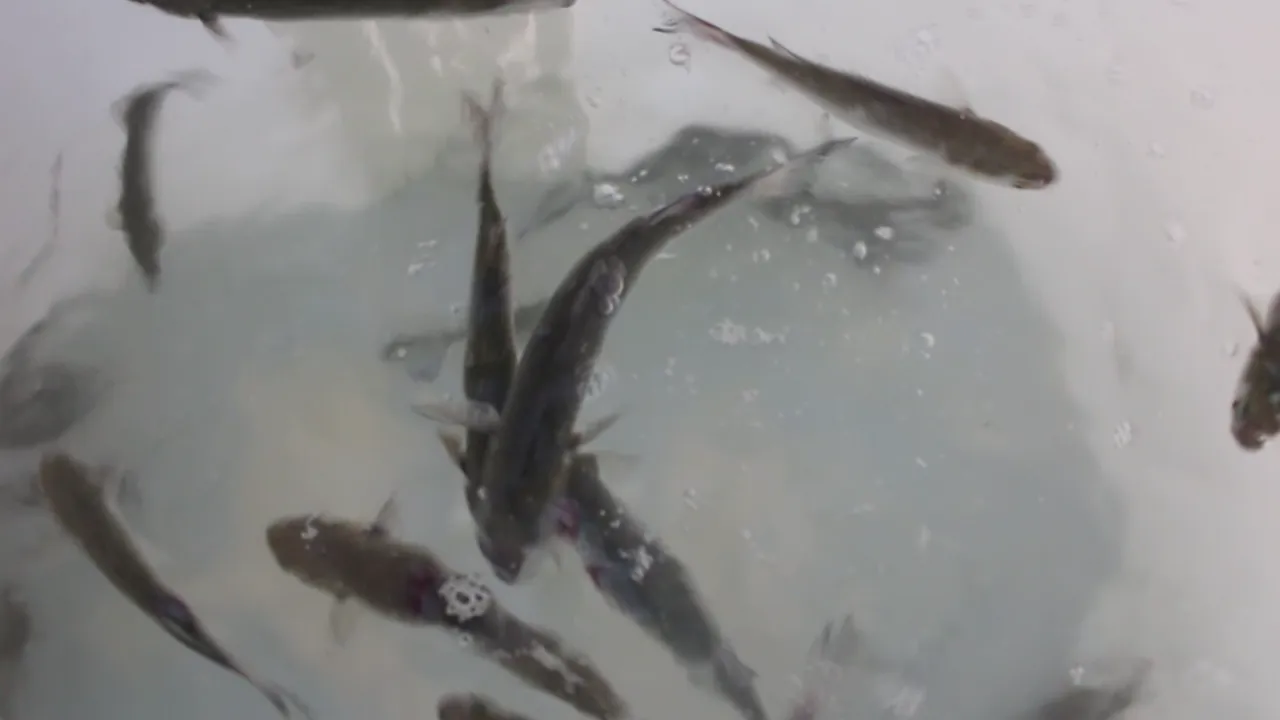
Scaled sardines and pinfish — what the biggest snook and reds eat.
The Best First Trip
on the Water.
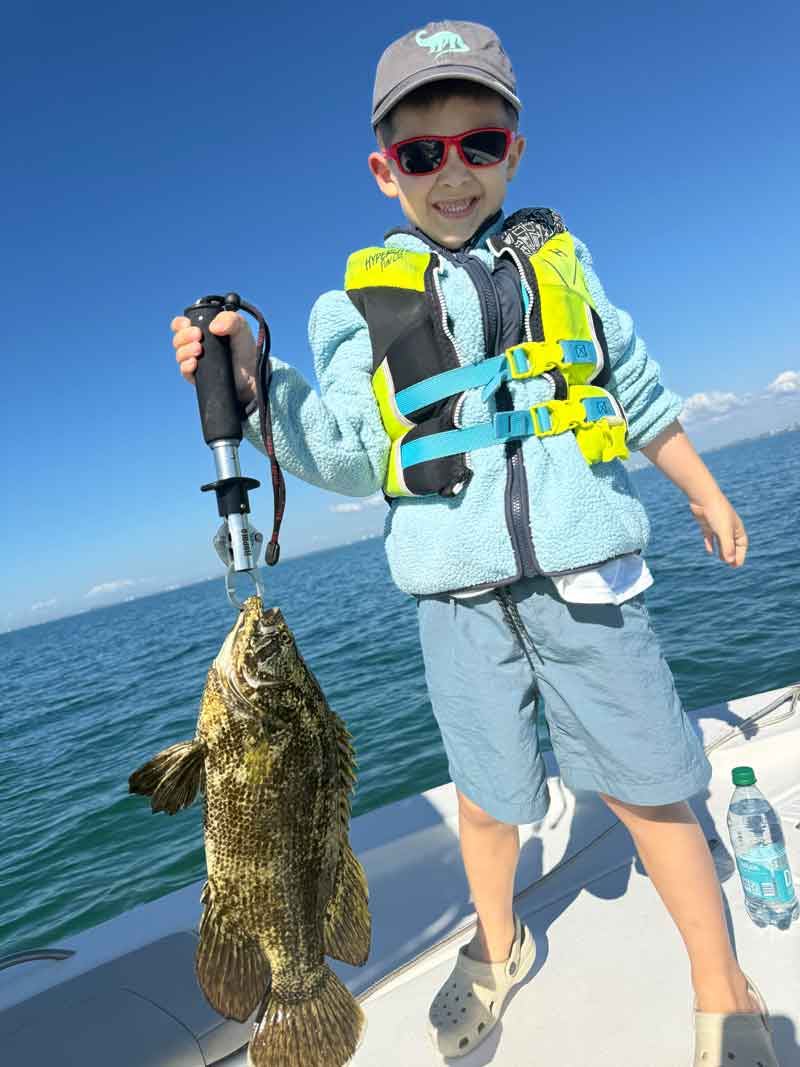
Calm bay water, short runs, light tackle, and a bite often enough to keep a six-year-old hooked. No swells, no long boat rides, and a captain who fishes for bites first and trophies never when there are kids aboard. It's how a lot of Sarasota anglers caught their very first fish.
Want the pace dialed down further? A dedicated kids & family trip is built entirely around young anglers and first-timers.
Plan a family trip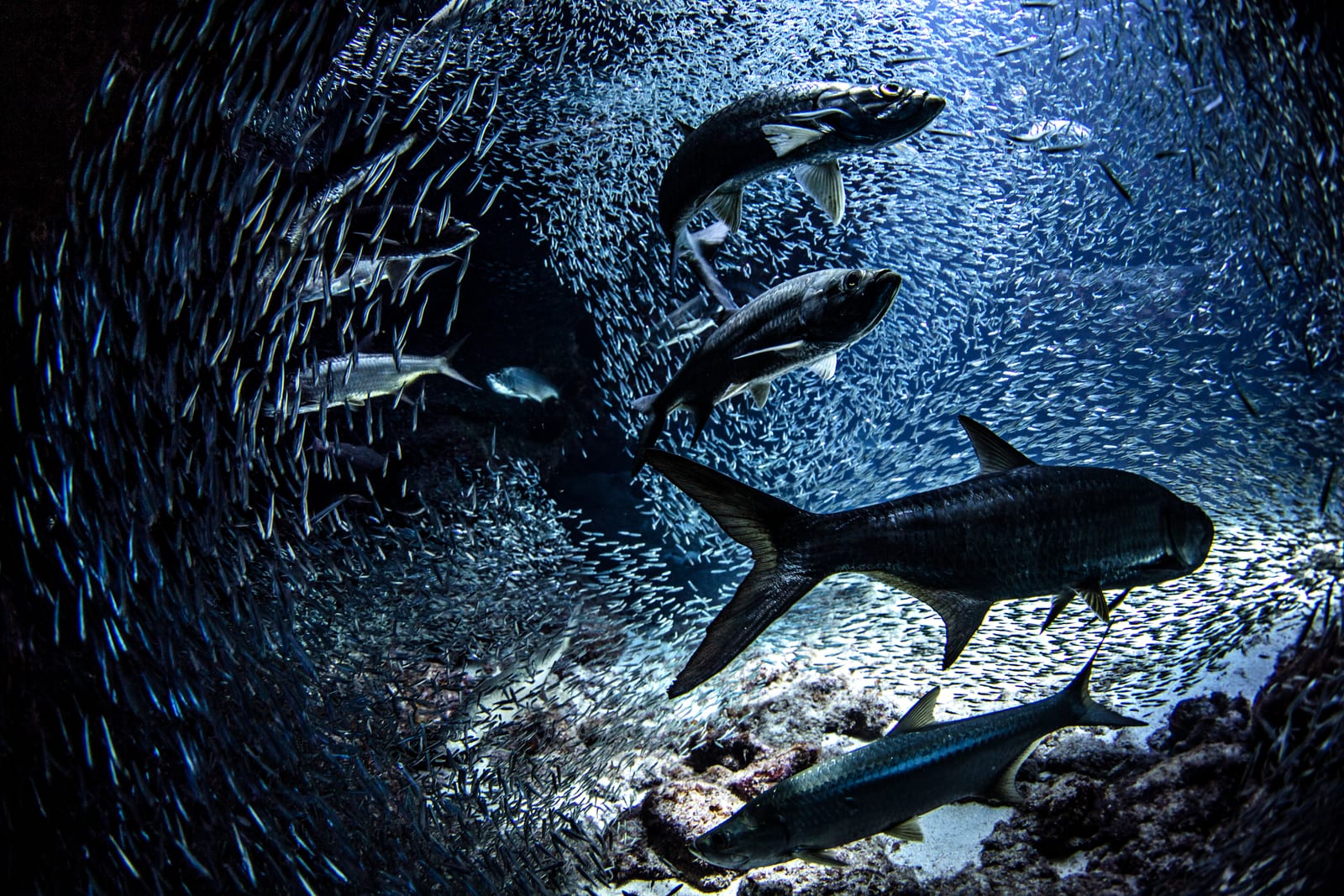
Then the tarpon show up — and the bay gets serious.
Same Bay.
Hundred-Pound Fish.
From May into July the same water you fish for snook and redfish fills with tarpon — strings of 80 to 150 lb fish rolling the beaches, stacking in the passes, and pushing bait against the bars at first light. Nothing else inshore changes gear like it: a 40 lb leader, a crab or a threadfin, and a fish that will jump higher than the T-top.
On a regular inshore trip we fish them when they show and the conditions line up — a calm morning on the beach, a moving tide in the pass, bait in the water. It is a bonus, not a promise.
If the Silver King is the reason you are booking, take the trip built for it. A dedicated tarpon charter runs longer hours, heavier tackle, and goes where the fish are that day instead of working them in around everything else.
On the Water.
Snook, redfish, and trout — the Sarasota Bay inshore mix.
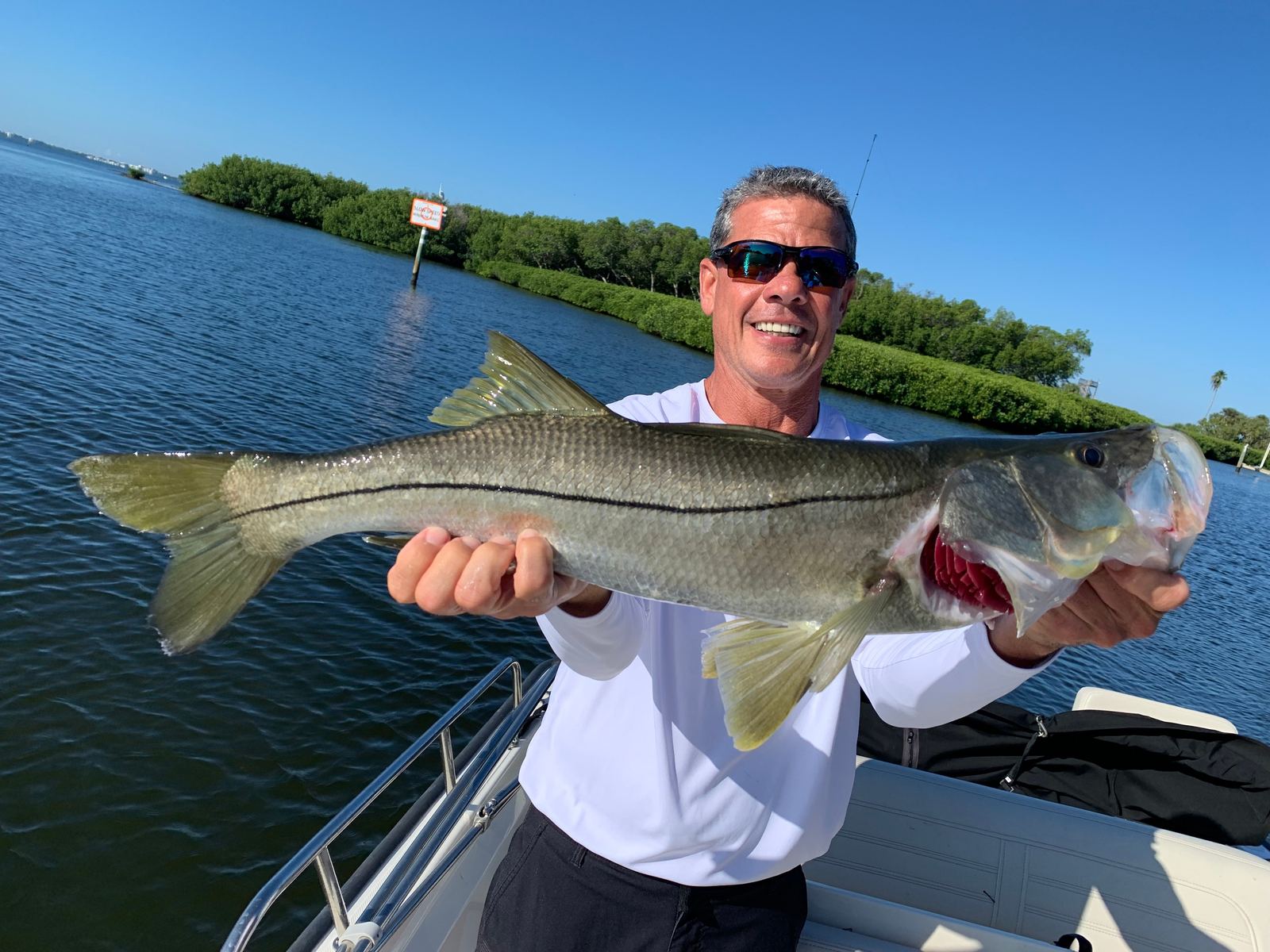
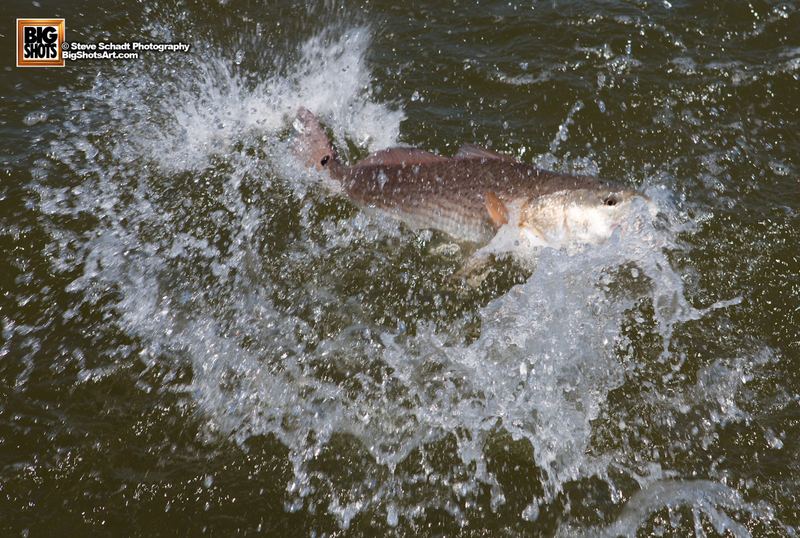
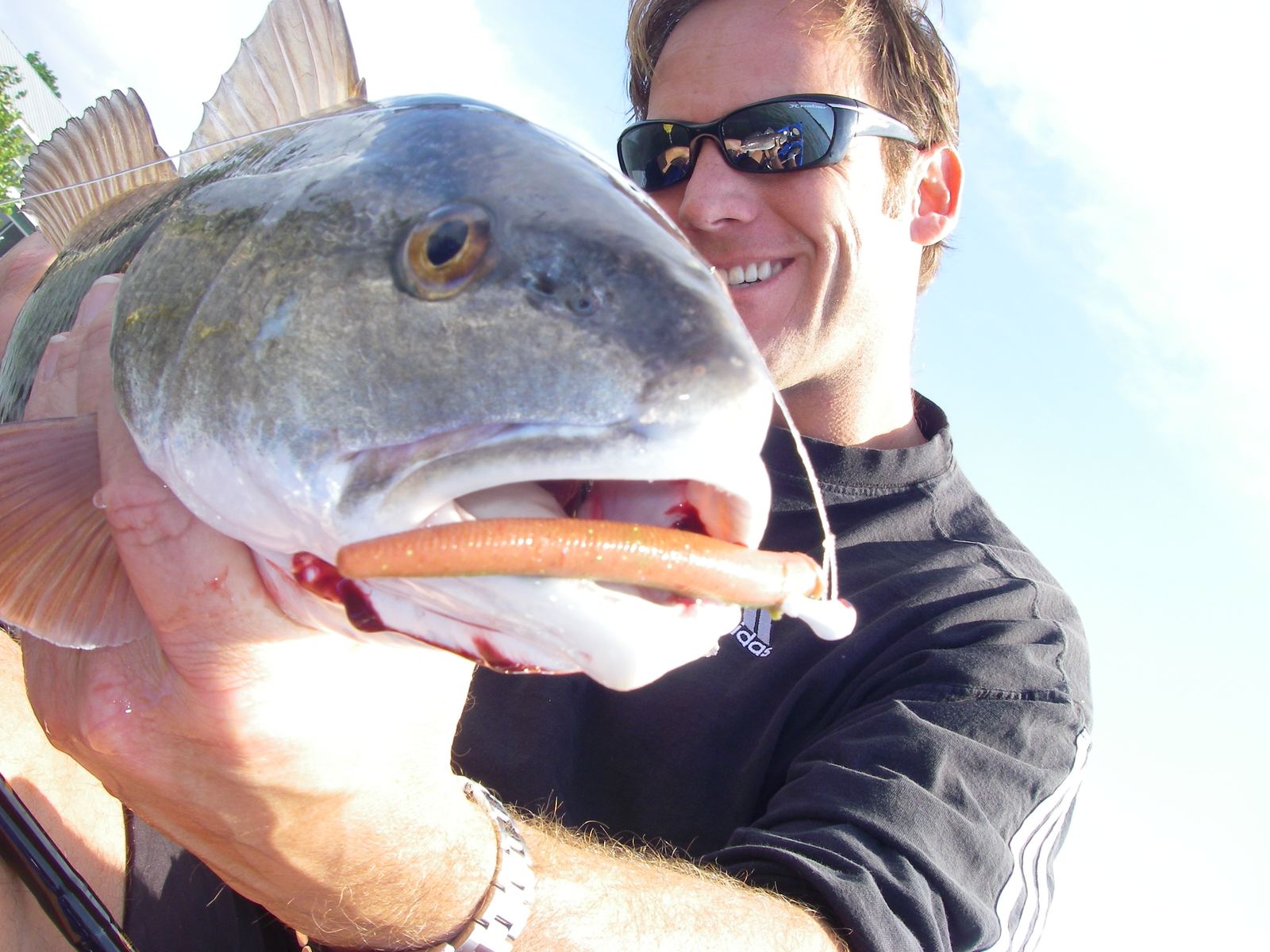
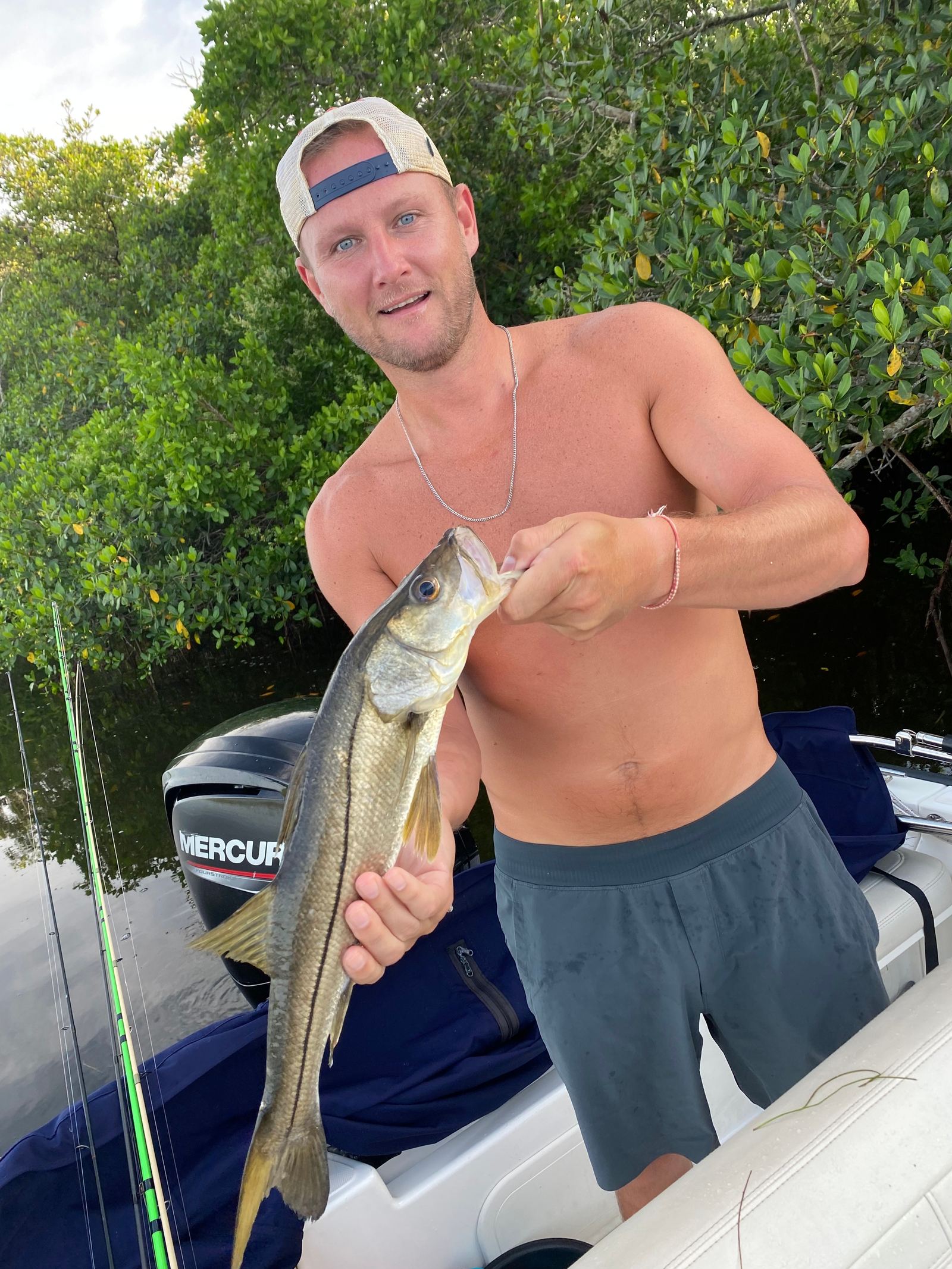
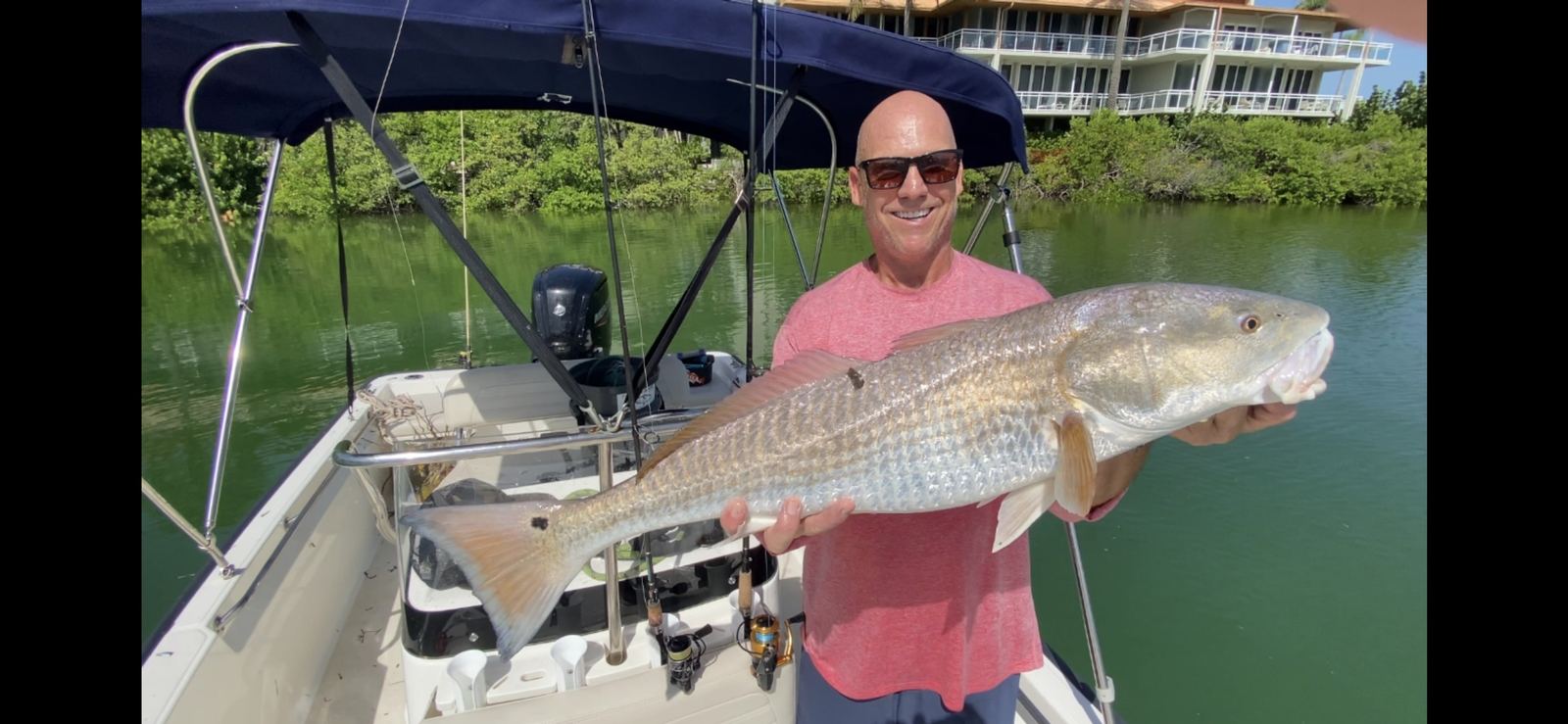
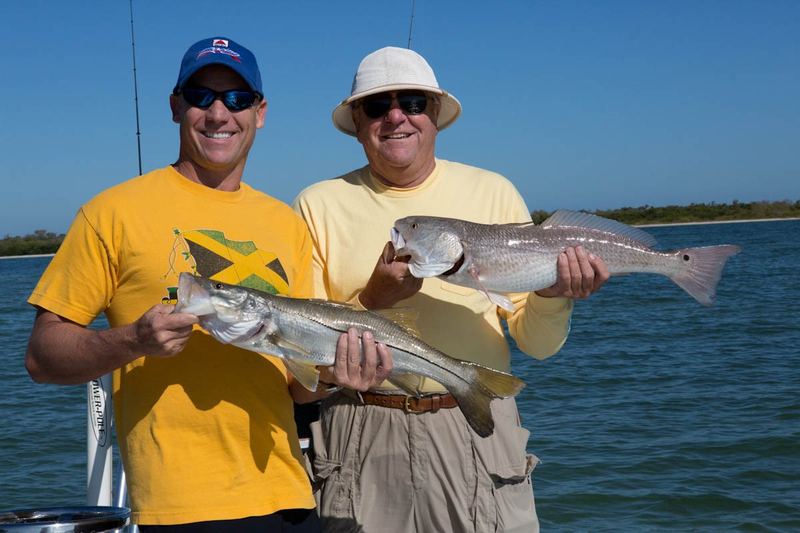
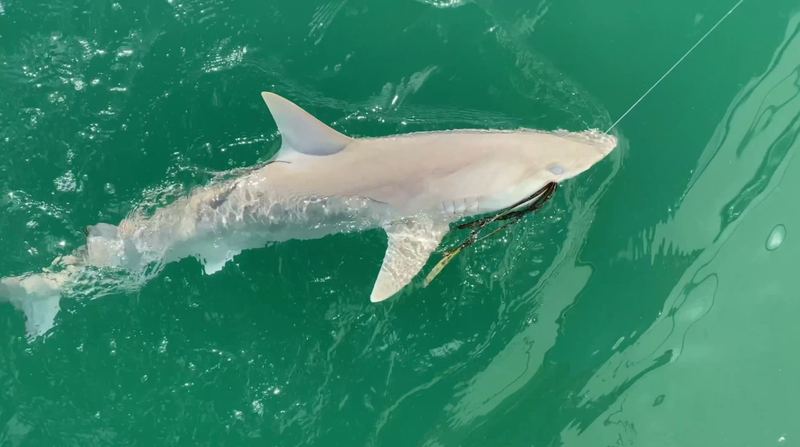
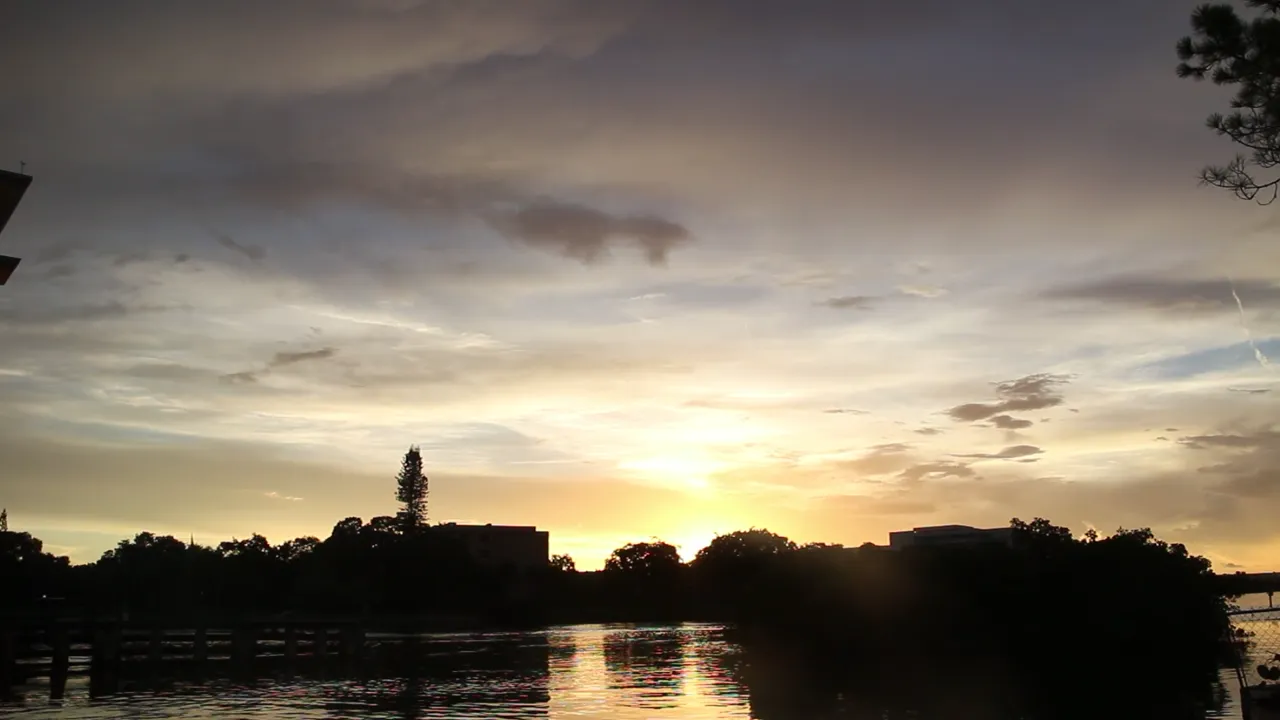
The last of the outgoing pulls bait off the flats and the snook line up to eat.
Inshore by Location.
Read the local rundown →
Read the local rundown →
Read the local rundown →
Read the local rundown →
Read the local rundown →
Read the local rundown →
Read the local rundown →
Read the local rundown →
Read the local rundown →
Inshore FAQ.
How much does an inshore fishing charter cost in Sarasota?
Do I need a fishing license on a Sarasota charter?
Is inshore fishing good for beginners?
What is the best month for inshore fishing in Sarasota?
What should I bring on an inshore charter?
Book an Inshore Trip.
Send an inquiry pre-filled for an inshore charter and we'll match you with the right captain for your group — or call and talk it through first.