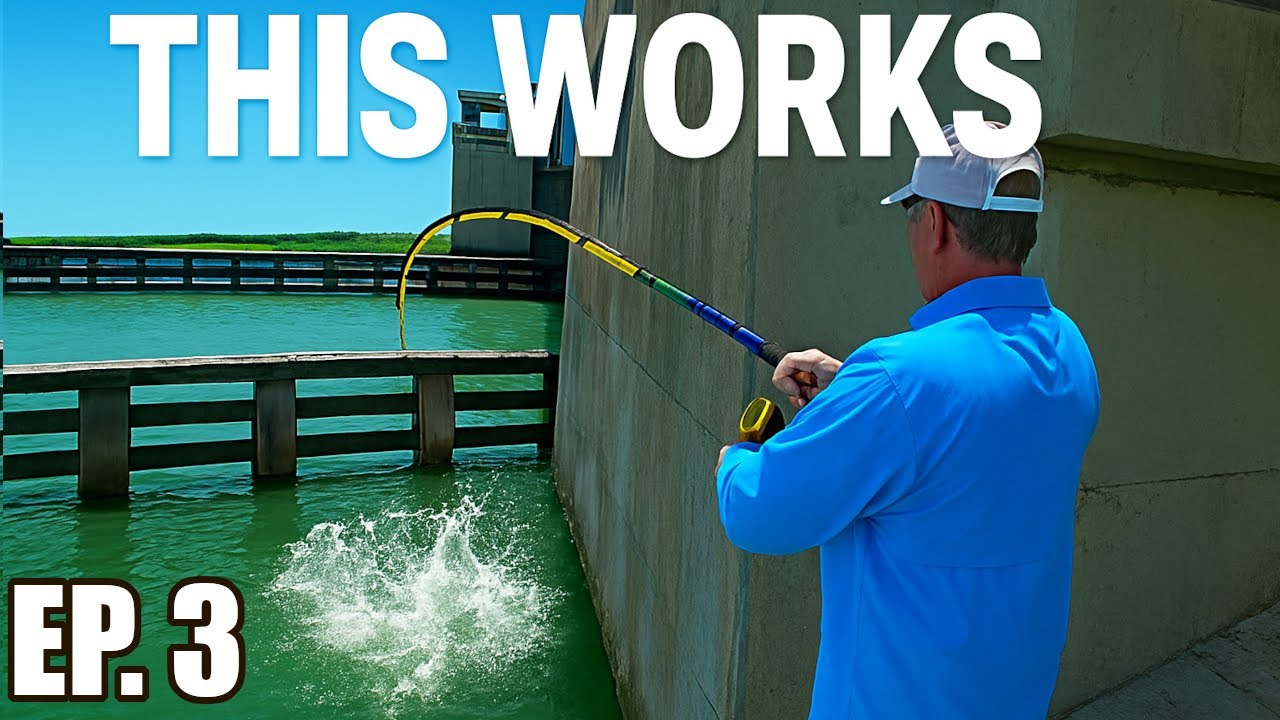
Pinfish, pigfish, threadfin, and mullet are the tough, big-bait half of the Sarasota bait box. When you want a bait that soaks on the bottom for a gag grouper, grunts a seatrout out of the grass, or swims a snook out from under a dock all afternoon, this is the group you reach for. None of them are as fragile as whitebait, and most can be caught on a trap or a sabiki with almost no skill barrier — which makes them the easiest live baits to keep on hand.
The short map: pinfish and pigfish come from traps and gold-hook sabikis on the grass-to-sand edges; threadfin come from a sabiki thrown at a surface school; finger mullet come from a fast-sinking cast net along the shoreline. Here’s how to catch each.
Where do you catch pinfish and pigfish?
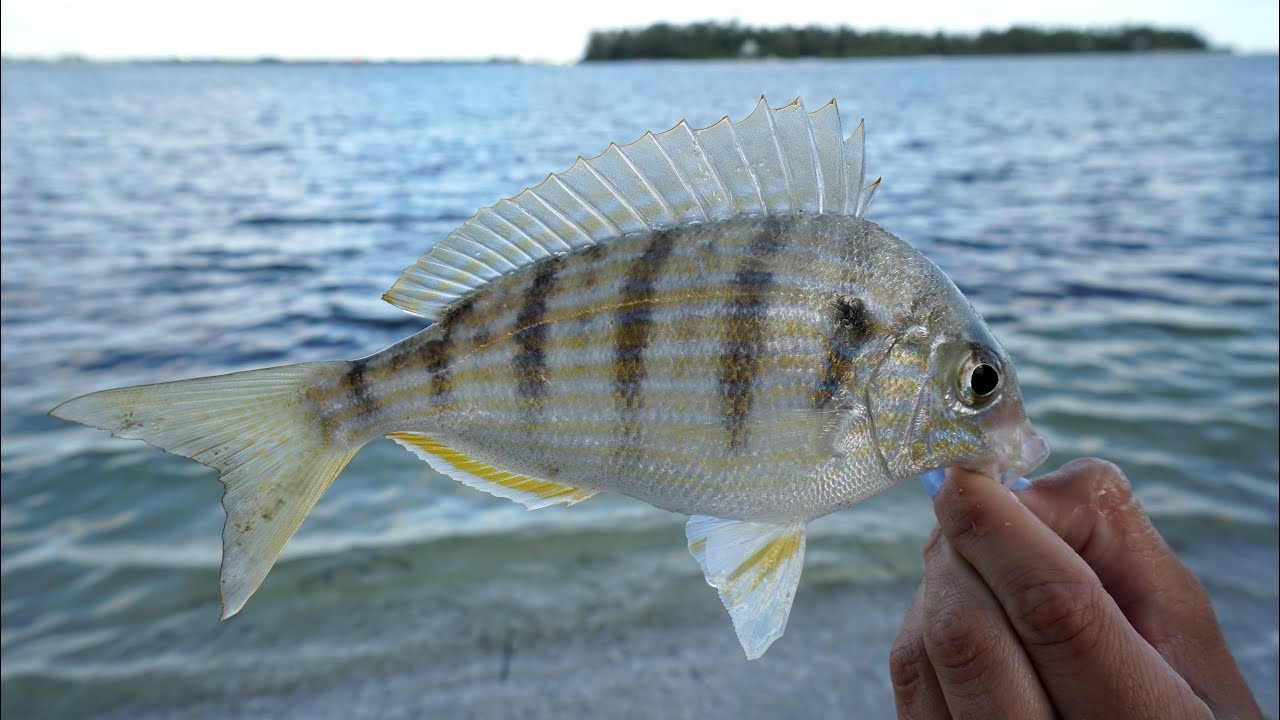
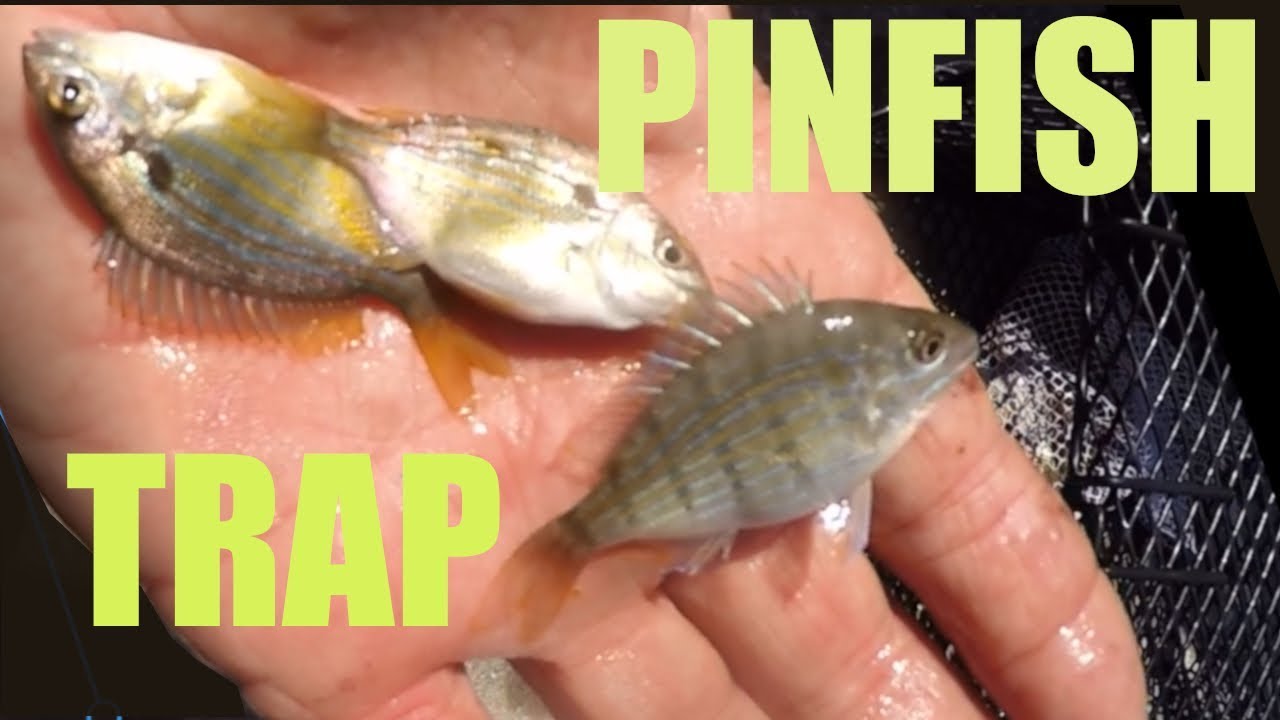
Both live on the grass-to-sand transition edges — thick turtle grass beside a sand pothole with current pushing through — plus docks, bridge pilings, markers, and rock. Pigfish (a grunt) mixes with pinfish on the same flats, and both hit small shrimp and squid on the bottom (in the spread: catching pinfish).
The difference is in how you use them. Pinfish is the workhorse live and cut bait for snook, redfish, gag grouper, and cobia. Pigfish is the premier live seatrout bait — they grunt, and trout home in on the sound (pigfish tips).
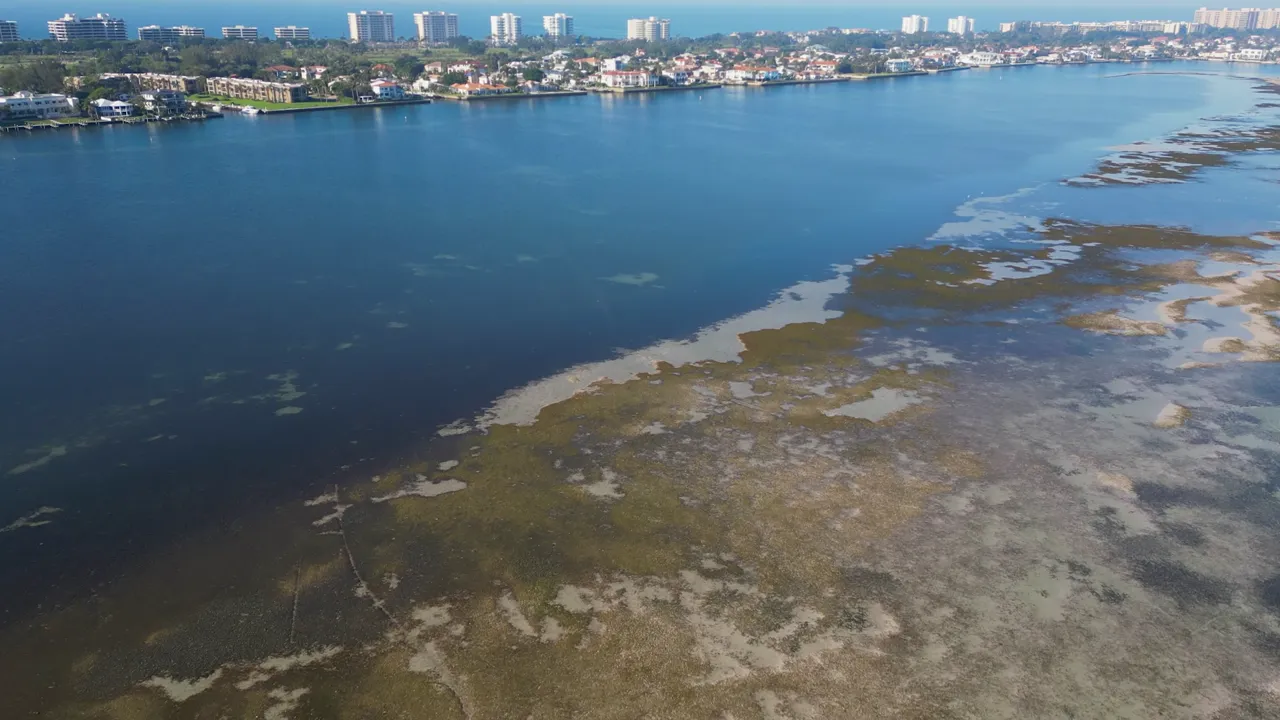
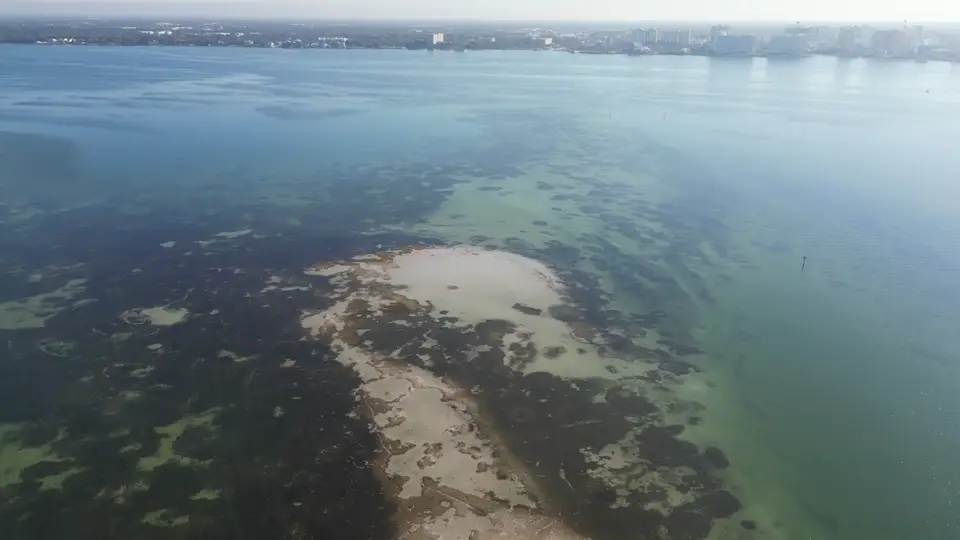
Thick turtle grass beside a sand pothole, with current pushing through.
Three ways to catch pinfish
| Method | Effort | Best for |
|---|---|---|
| Gold-hook sabiki | Active | Fast numbers, locating a concentration |
| Baited trap | Passive | Steady numbers overnight |
| Small cast net over chum | Active | A quick batch off a dock |
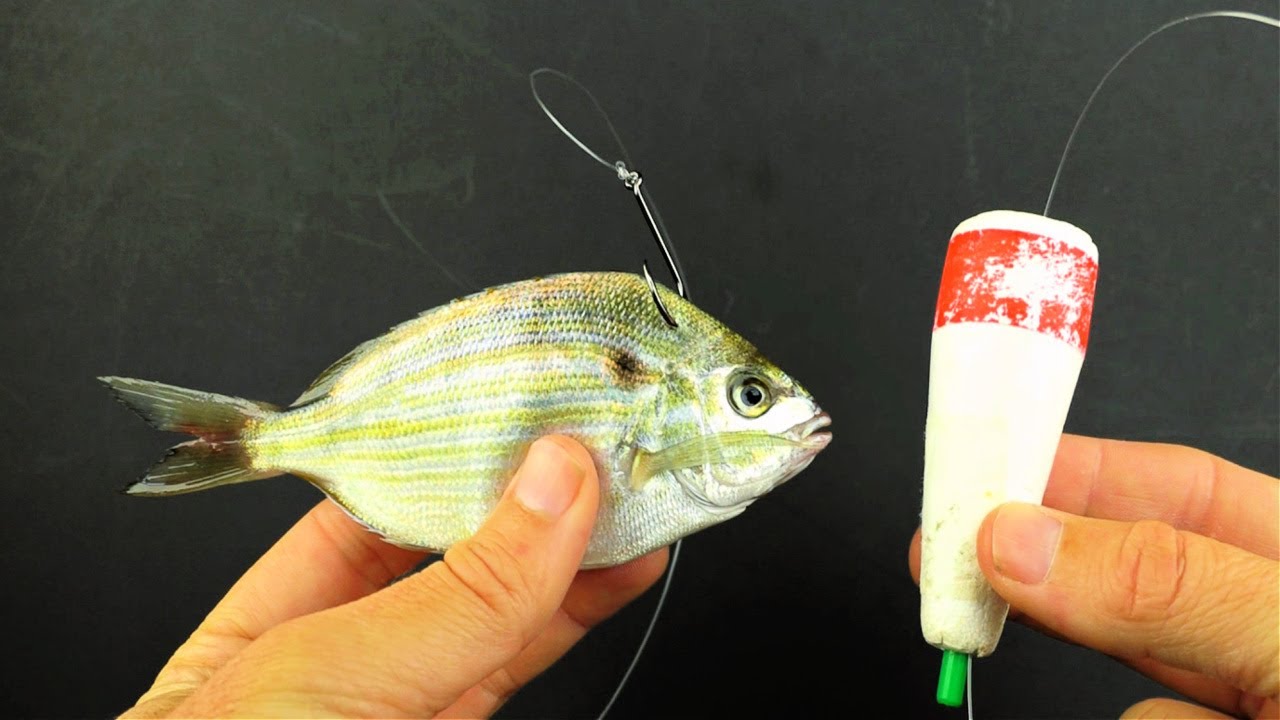
Gold-hook sabiki / hand-tied rig. Small gold hooks, #6–#10 (sabiki-style), tipped with fresh shrimp or squid — shrimp out-catches squid for numbers, squid stays on the hook longer. A hand-tied version is three small gold hooks about 6 inches apart, weight on the bottom, float on top (using pinfish for bait). Sabiki to locate a concentration, then drop a trap on that spot.
Pinfish trap. A wire or plastic trap baited with cut mullet or ladyfish, fish scraps, squid, bread, or canned cat food, set overnight on a grass flat or near structure/dock and pulled in the morning. Low effort, steady numbers (saltstrong: pinfish trap tips). Traps are legal in Florida waters, but unattended-trap rules apply — mark and attend per FWC; see the FWC regulations guide.
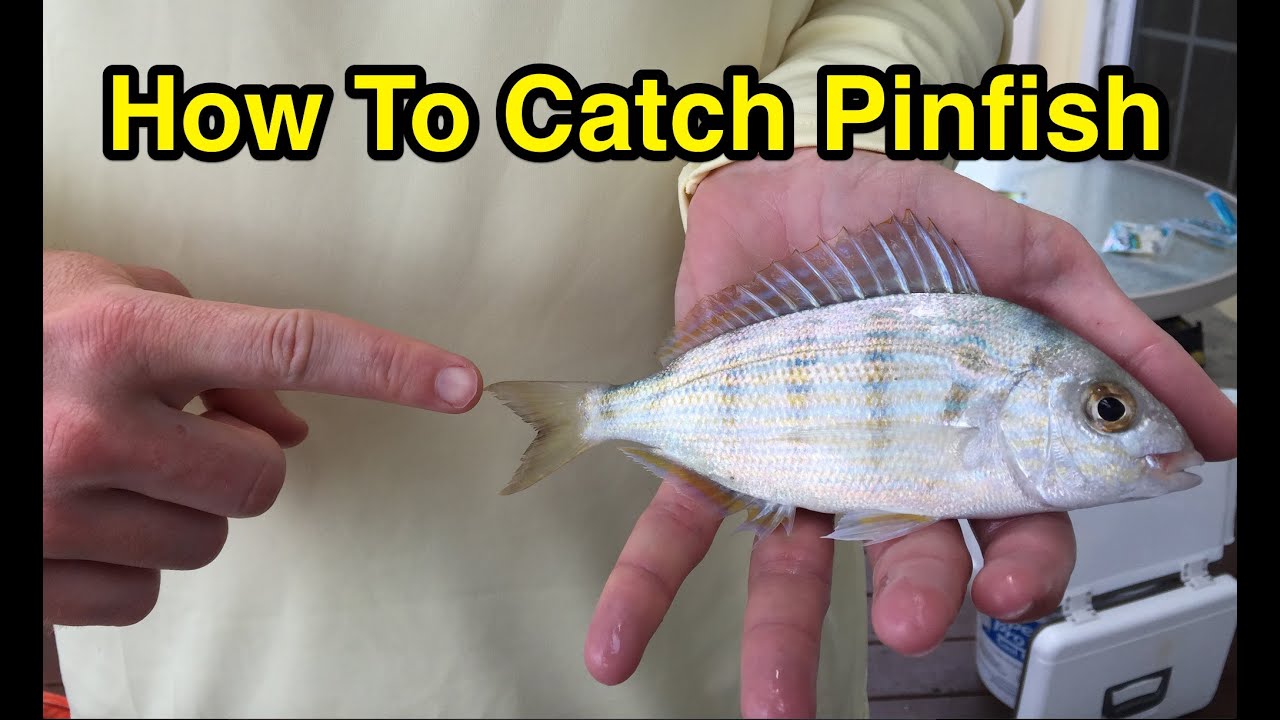
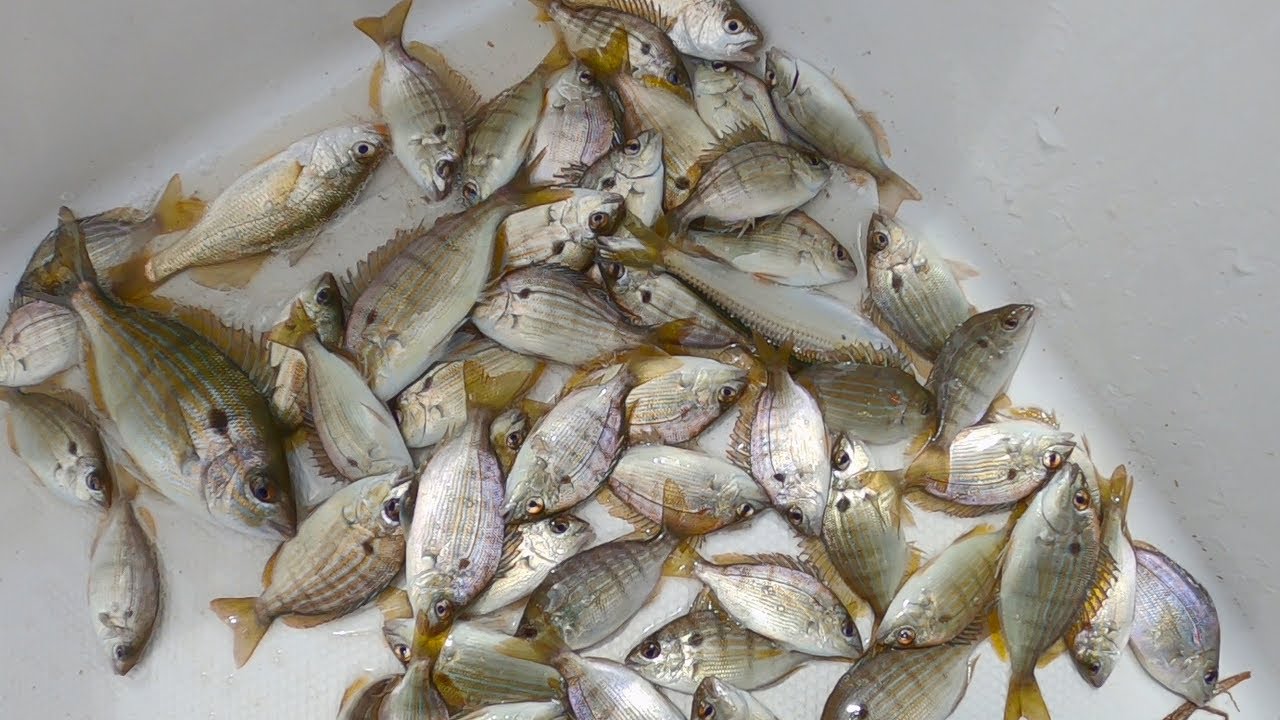
No-net, no-trap. A tiny hook and a piece of bread over chummed pinfish will fill a bucket off a dock (saltstrong: how to catch pinfish) — the method to teach a kid on a family trip.
Using them: live on a fishfinder/bottom rig or under a big cork, nose- or back-hooked on a 4/0–6/0 for snook, reds, grouper, and cobia. Pigfish fish best live under a cork for trout, snook, and reds.
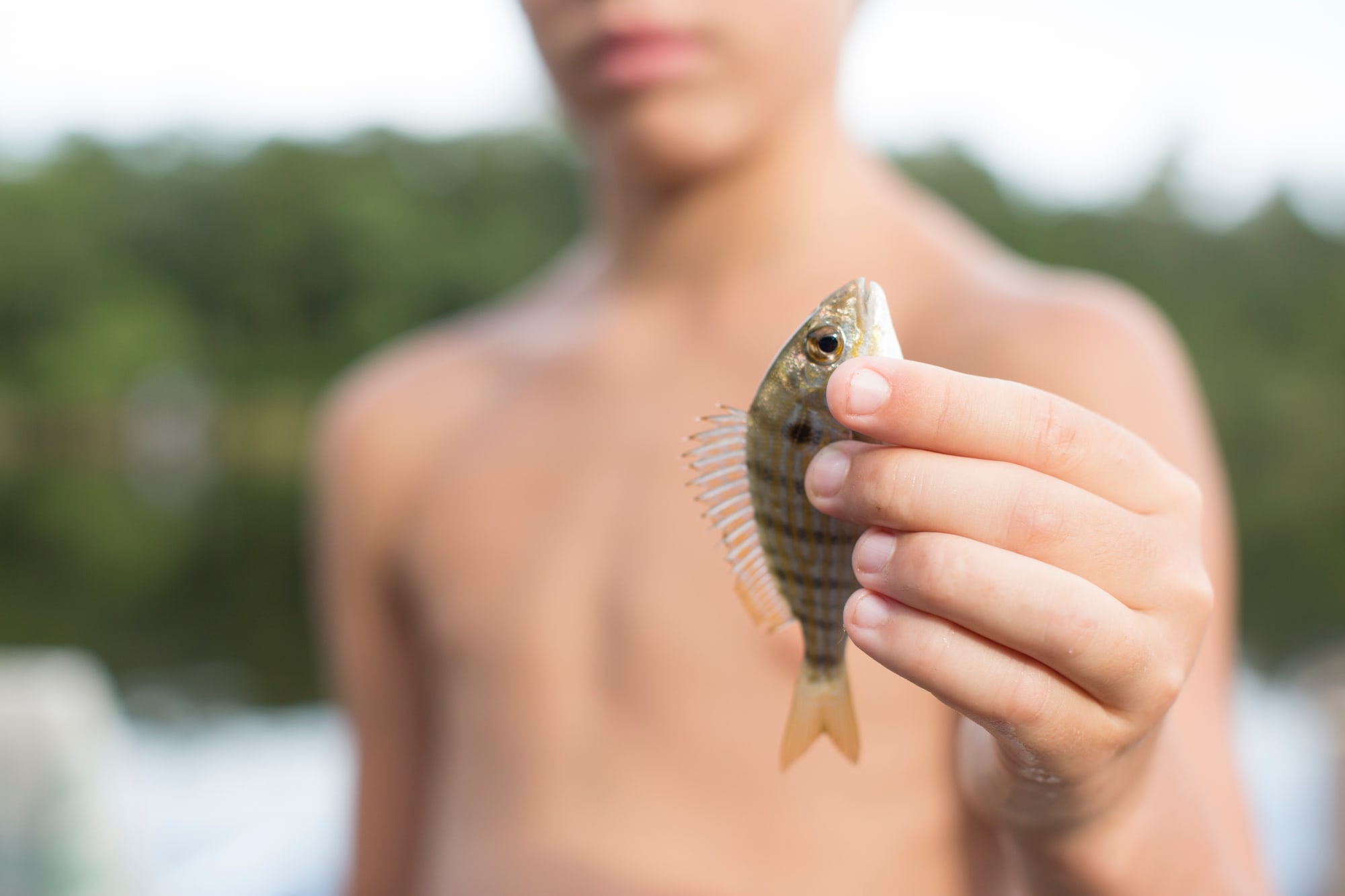
A tiny hook and a piece of bread will fill a bucket off a dock.
How do you catch threadfin herring?
Threadfin (“greenies”) are a top bait for king mackerel, tarpon, cobia, and big snook and reds — oily fish that also make excellent cut bait and chum.
- Sabiki is the go-to: sizes #6 and #8, green and red quills. Cast a 1-oz weight plus the sabiki into a surface school and slow-reel with rod bumps to animate the flies (saltstrong: threadfins on sabiki).
- Cast net with 1/4 inch mesh also works on tight surface schools — see cast-netting whitebait for the throw.
- Keeping them: threadfin are fragile and oxygen-hungry. They hold well in floating, round Chemtainer-style tanks; de-hook with a tool, never bare hands — oils and sunscreen kill them (catching and curing threadfin). Menhaden (“pogies”) are even more intolerant of low oxygen and die fast in a weak or crowded well — run high flow and don’t overcrowd (guide to saltwater live baits).
How do you cast-net mullet?
Mullet split into two baits with two different nets.
| Finger mullet (2–6 in) | Big/full-size mullet | |
|---|---|---|
| Net mesh | 3/8 in | 1 in |
| Net radius | 6–8 ft | 8–10 ft |
| Use | Live for snook, reds, tarpon, big trout, flounder | Live for tarpon/sharks; cut into chunks/steaks |
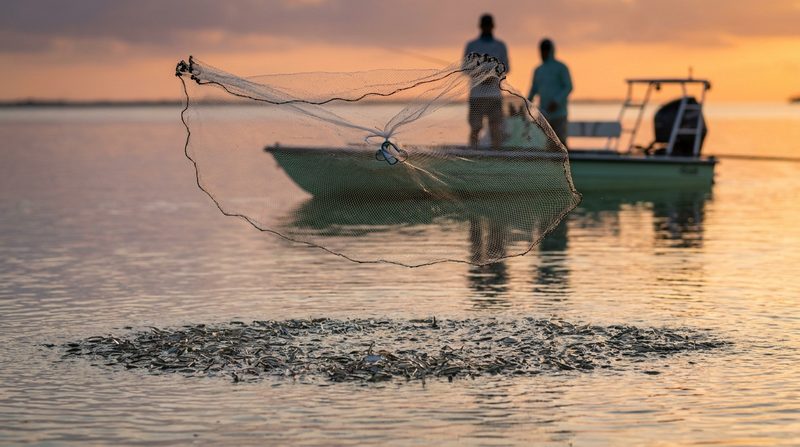
Where: shorelines with vegetation, flat edges, seawalls, creek and canal mouths, and beach troughs. Mullet school tight near shore and spook easily (saltstrong: catching mullet). Approach slow and quiet by boat or wading — ease in, don’t push a wake (how to cast-net for mullet).
Throw: the “giant Frisbee” — whole arm plus a sharp wrist twist for a wide flat circle. Let it sink to the bottom, then a hard jerk to close and scoop (mullet with a cast net). Finger mullet get nose-hooked and free-lined or fished under a cork for snook, reds, tarpon, big trout, and flounder. Big mullet go live for tarpon and sharks, or cut into chunks and steaks for reds, black drum, sharks, and cobia.
Sabiki rigs — the bait method behind all of it
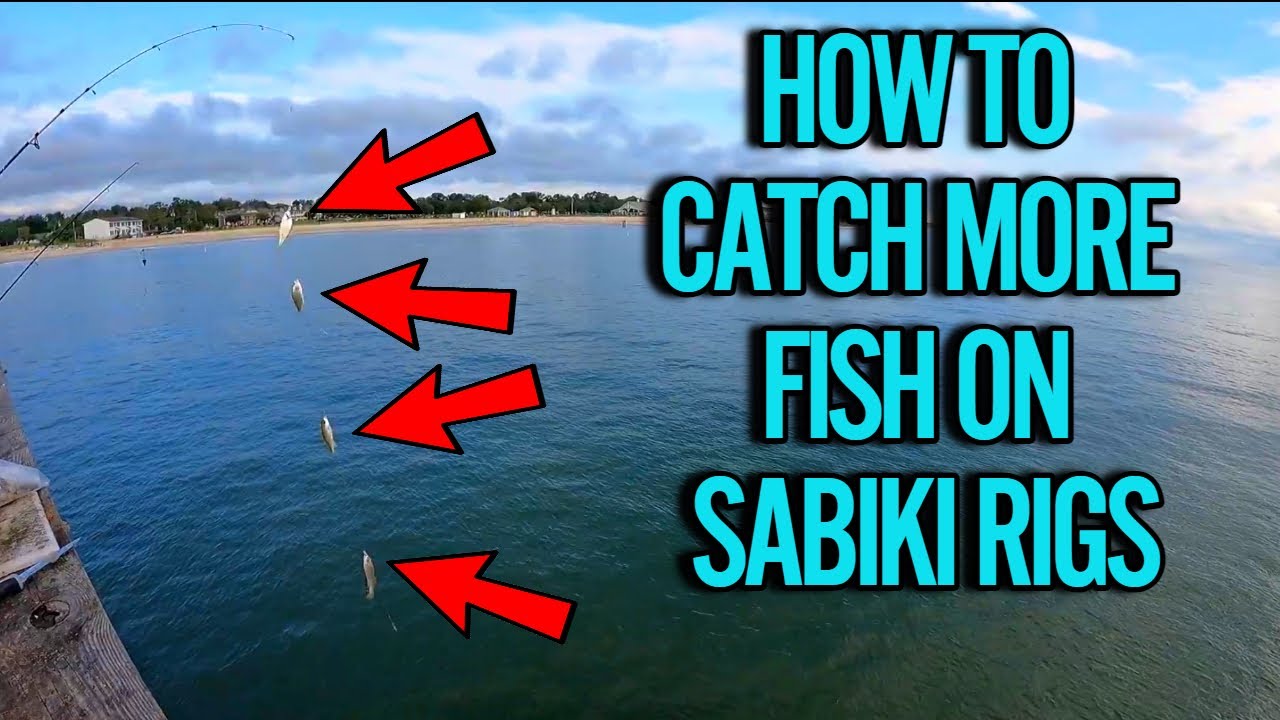
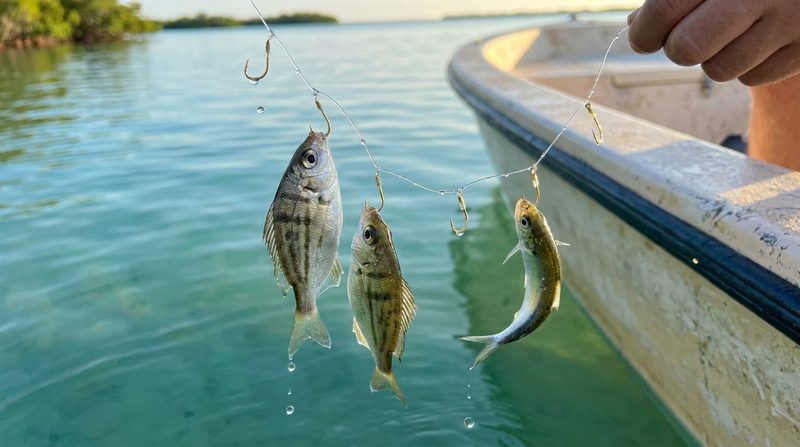
A sabiki is a mono leader with 4–8 tiny dressed hooks on dropper loops, a sinker (1–3 oz) clipped to the bottom snap (Mercury: how to use a sabiki).
- Hook size: #4–#8 for sardines/scaled bait; #8–#12 for small herring, threadfin, and pinfish. Match the hook to the bait (sabiki rig guide).
- Weight: 1 oz in under 20 ft (inshore, flats, markers); heavier to punch down to deep schools.
- Technique: drop to the marked depth, or start around 20 ft and work down in 10-ft steps. Short, sharp 12–18 inch jigs animate the flies; on a bite, keep gently jigging to load multiple hooks before lifting. Don’t rip (fishing a sabiki rig).
- Tip the hooks with tiny squid or shrimp bits to boost hookups, and keep several sizes handy. Handle caught bait minimally — unmarked, untouched baits live longest.
Around Sarasota, work sabikis on the bridges, channel markers, and nearshore beach schools for threadfin, scaled sardines, pinfish, pigfish, and cigar minnows. The passes and inlets guide and fishing piers and bridges map the structure that holds them.
Keeping the hardy baits alive
This is the easy group. Pinfish, pigfish, and mullet are tough — a basic aerated well or a flow-through bucket keeps them all day with none of the fuss whitebait demands. A few points still matter:
- Don’t overcrowd. Even hardy bait crashes oxygen in a packed bucket. Give them room and keep the water moving.
- Cut the dead ones out. A dead pinfish fouls the well as fast as any bait; pull it the moment you spot it.
- Threadfin and menhaden are the exceptions — treat them like whitebait, with a round high-flow well and no bare-handed handling. See the keeping-bait section in the complete live bait guide.
Because pinfish and mullet keep so easily, they’re the baits to catch the day before or first thing, load heavy, and fish hard — no dawn scramble required. A pinfish trap set overnight means you launch with bait already aboard.
Which fish eat which bait?
| Bait | Rig | Top targets |
|---|---|---|
| Pinfish | Fishfinder / cork, 4/0–6/0 | Snook, redfish, gag grouper, cobia |
| Pigfish | Live under a cork | Seatrout (premier), snook, reds |
| Threadfin | Live-lined / cut | King mackerel, tarpon, cobia, big snook/reds |
| Finger mullet | Nose-hooked, free-lined or cork | Snook, reds, tarpon, big trout, flounder |
| Big mullet | Live or cut chunks/steaks | Tarpon, sharks, reds, black drum, cobia |
The pattern: small live baits (pinfish, finger mullet) for inshore ambush fish, grunting pigfish for trout, and oily threadfin and big mullet for the pelagics and cut bait. Rigging detail for each is in the live bait technique guide.
Small baits for the ambush fish, oily baits for the pelagics.
FAQ
What’s the easiest live bait to keep on hand? Pinfish. Set a baited trap on a grass flat overnight, pull it in the morning, and keep them in a basic aerated well — they’re hardy and last all day.
Why is pigfish such a good trout bait? Pigfish are grunts — they make an audible grunting sound, and seatrout home in on it. Fished live under a popping cork, a pigfish is one of the best big-trout baits in the bay.
What mesh cast net do I need for mullet? 3/8 inch for finger mullet (2–6 in) with a 6–8 ft net; 1 inch mesh with an 8–10 ft net for full-size mullet.
Are pinfish traps legal in Florida? Yes, in Florida waters, but unattended-trap rules apply — you must mark and attend the trap per FWC. Check the FWC regulations guide before setting one.
What hook size for a pinfish sabiki? Small gold hooks, #6–#10, tipped with fresh shrimp. For threadfin and small herring on a standard sabiki, #8–#12.
Related
Fish these baits with the live bait technique guide, the bottom-fishing guide for grouper and reds, and the popping-cork guide for trout on pigfish. For the other baits in the cluster, see cast-netting whitebait and catching shrimp and crabs. Start at the complete live bait guide, and check bait and tackle shops for pinfish and shrimp when the trap comes up empty.