Shrimp and crabs cover the half of Sarasota fishing that whitebait doesn’t. Live shrimp is the winter everything-bait and the year-round backup; pass crabs are the number-one tarpon bait of the spring and summer run; fiddler and blue crabs are what put trophy sheepshead and black drum in the boat. Each is caught a completely different way, and this guide walks through all four — plus the FWC limits and how to keep them alive.
Most anglers buy their shrimp and catch their crabs. Both are worth knowing cold: a green light and a dip net turn a free night into a bucket of shrimp, and learning to dip pass crabs off the tide is the difference between fishing the tarpon run and watching it.
Should you buy or catch live shrimp?
Most SWFL anglers buy live shrimp. The bait shops keep them year-round, they’re hardy, and they catch everything inshore — sheepshead, trout, redfish, snook, pompano, and flounder. Catching your own is a night-and-winter activity that pays off when the shrimp are running and you want them free.
How do you catch shrimp at night?
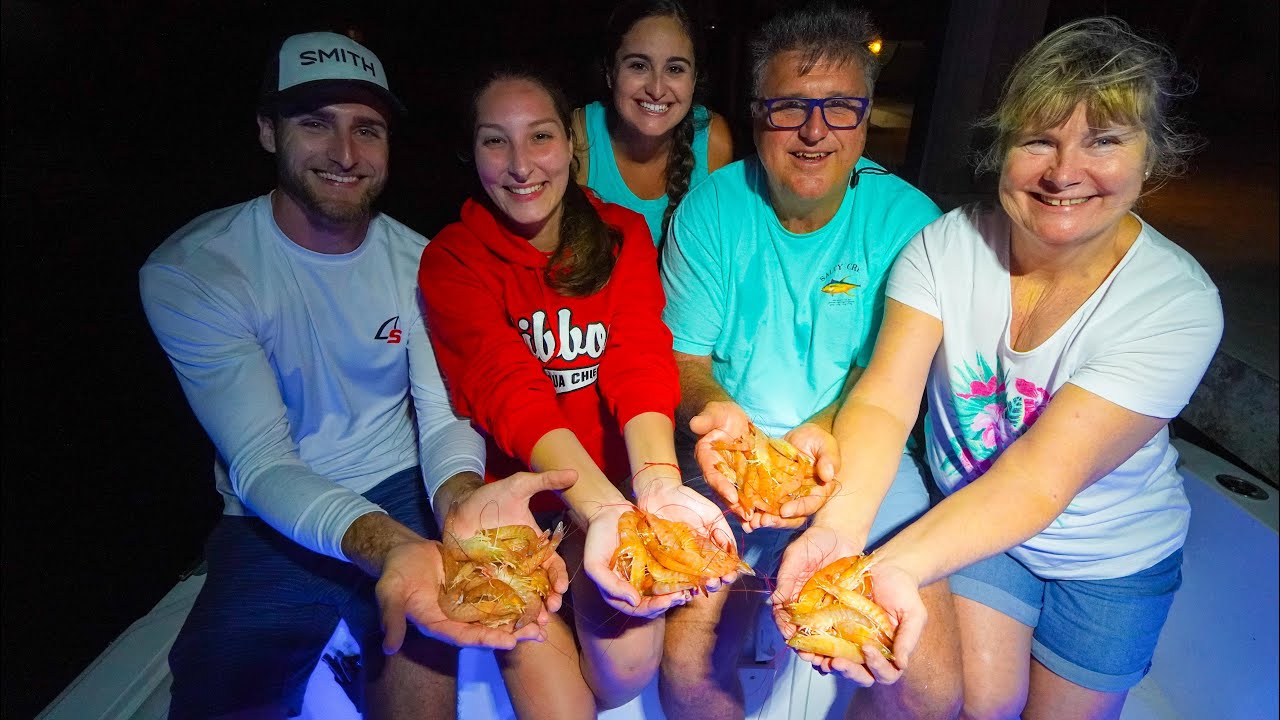
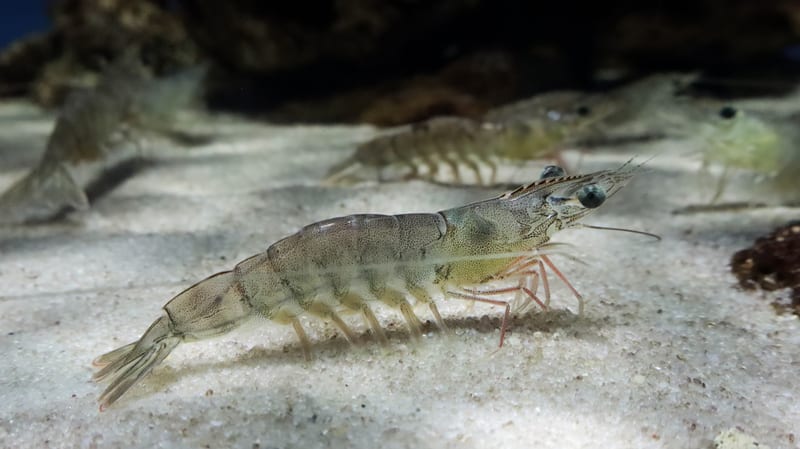
Shrimp is a night game. By day they bury and hide; at night they rise in the water column, feed, and — the key — their eyes glow under a light (shrimpnfishflorida).
- Light: a submersible green LED, set deep enough that only a faint glow reaches the surface. Too bright pushes shrimp off; a soft glow draws and holds them.
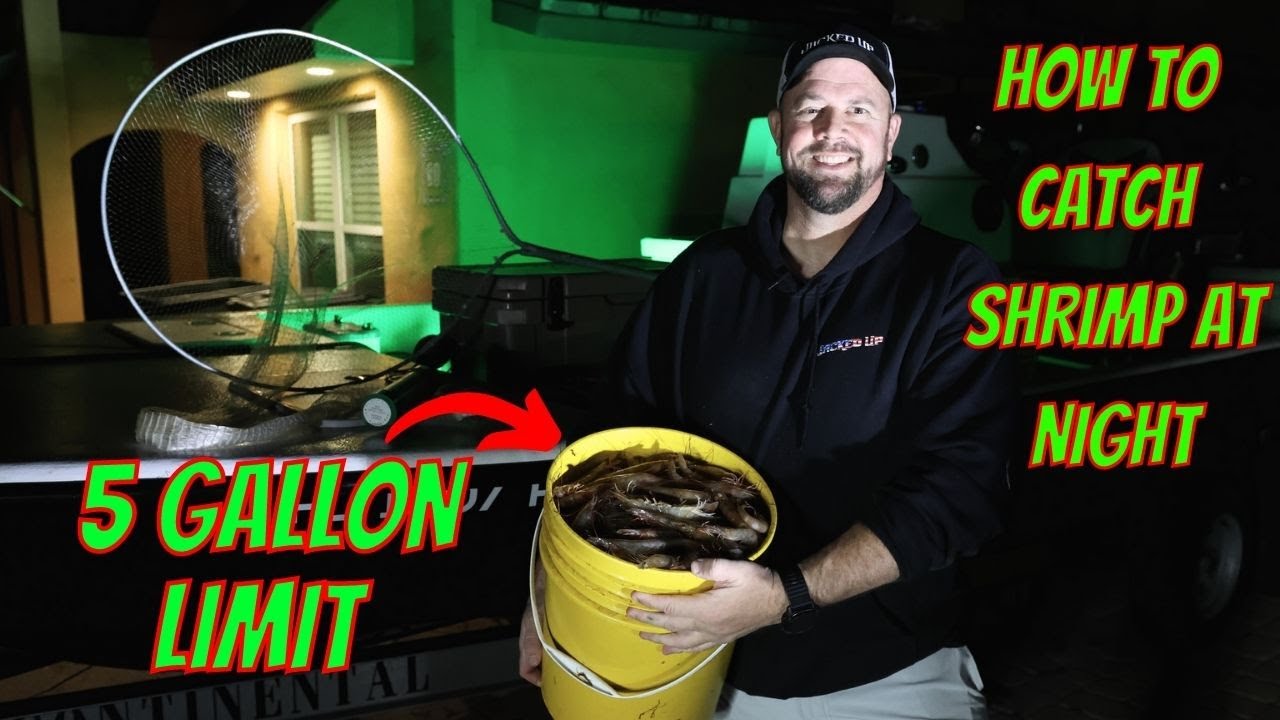
- Net: a long-handled dip net. Hold it in the water up-current of the light field. When a shrimp drifts or swims through, slide the net into its path — don’t chase it, the bow wave spooks them. Dump into a marked 5-gallon bucket (how to catch shrimp).
- Where: dock lights, seawalls, bridge shadow lines, spoil-island edges, and outgoing tidal flow near the passes. Winter shrimp “runs” happen on the falling tide.
The passes and inlets guide and night fishing in Sarasota cover the best light-line water and the tides that trigger a run.
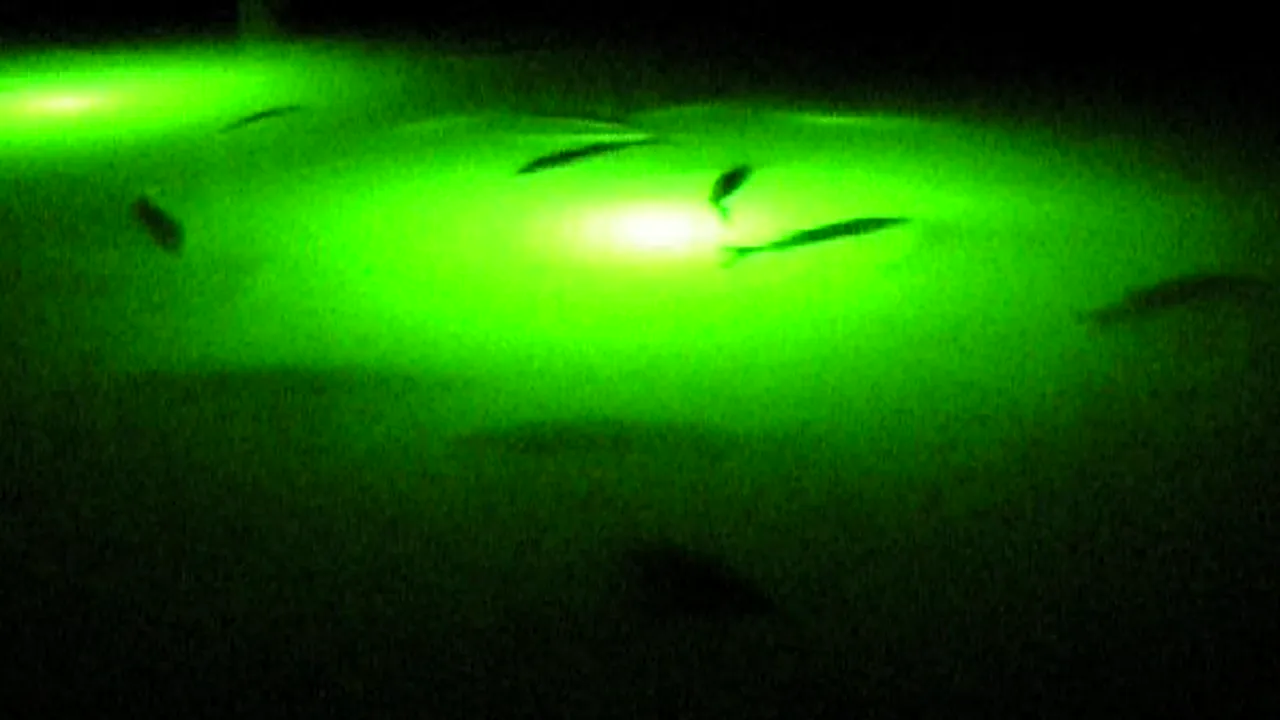
Set the green light deep — only a faint glow should reach the surface.
Live shrimp regulations and keeping them alive
Florida keeps shrimping simple, but the limits are real (FWC recreational shrimp regs):
| Rule | The number |
|---|---|
| Daily limit | 5 gallons heads-on per harvester/day |
| Vessel cap | 5 gallons per vessel, regardless of headcount |
| License | Recreational saltwater license required (unless exempt) |
| Sarasota closure | None — the Apr–May closure is NE Florida only |
Note the daylight-hours rule applies to fixed shrimp poles; the cast/dip-net method locals use at night is the recreational route. A saltwater license is required — see the fishing license guide.
Keeping shrimp alive: a floating or aerated bait bucket with clean, cool water changed often, plus aeration. Don’t overcrowd, and pull dead shrimp immediately — a dead shrimp fouls the water fast and takes the rest with it. Hook a live shrimp under the horn (in front of the dark spot/brain) to keep it lively, or through the tail for casting distance.
How do you catch pass crabs for tarpon?
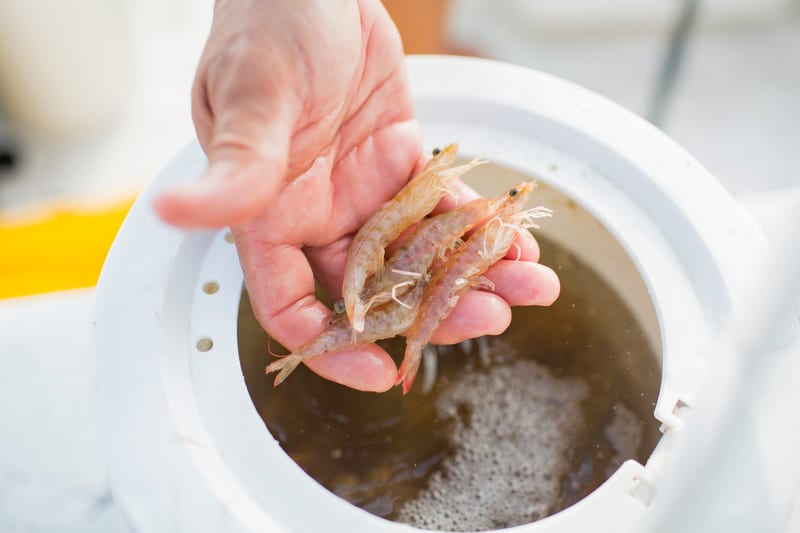
Pass crabs are the number-one Sarasota tarpon bait from April to July — small swimming crabs that flush out through the passes on strong outgoing tides. When the tarpon are keyed on them, nothing else comes close (saltwater sportsman on live-baiting tarpon).
- When: early outgoing tide, 2–3 days before and after the new and full moons, May–August. The best flush is a falling — especially negative — tide that sucks crabs out of the bay (saltstrong: how to catch pass crabs).
- How: idle to the up-current side of a pass or bridge, a few hundred yards off, and find a rip line stacked with grass, foam, and debris. Dip-net the crabs drifting and swimming at the surface along that line (pass crabs with Capt. Randall).
- Where in Sarasota: Big Pass, New Pass, and Longboat Pass on outgoing hill tides, plus the Skyway and bridge rips.
- Rig prep: break off one or both pincer claws so the crab can’t grab, tangle, or pinch the leader, then hook it through a corner point of the shell.
Blue crabs vs. pass crabs for tarpon: floridasportfishing bait wars. The passes and inlets guide and tides and currents guide show which passes flush hardest on a given tide.
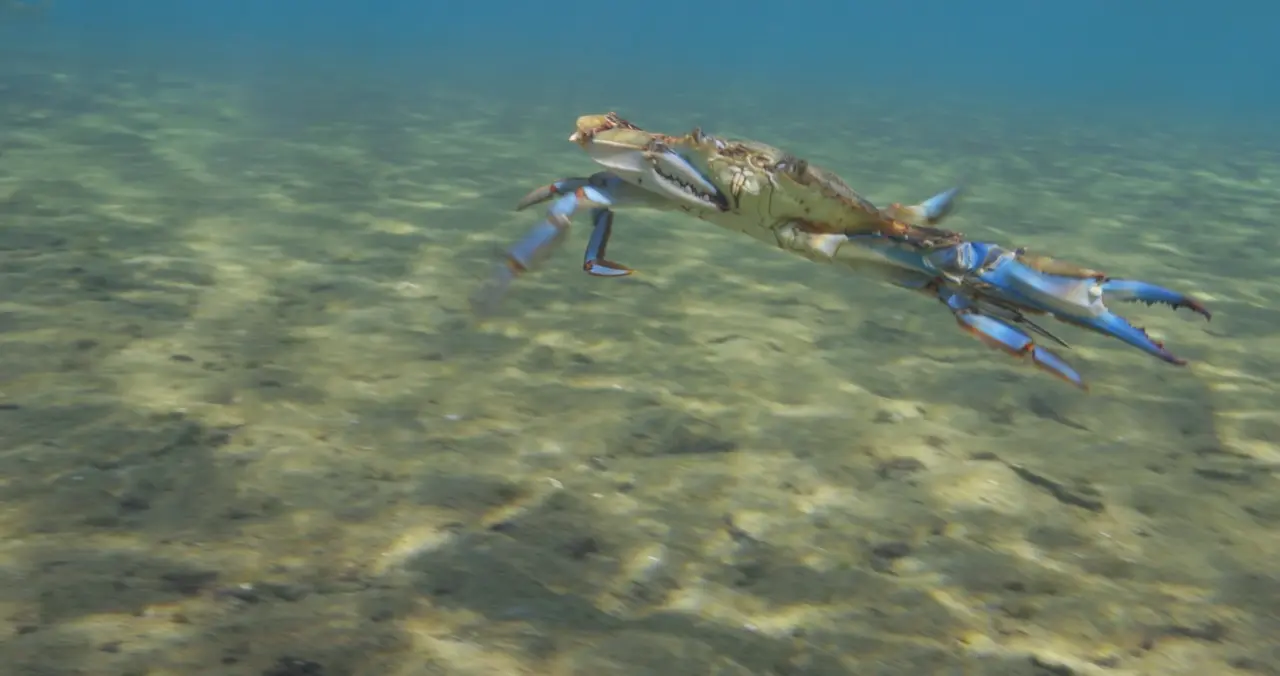
Crabs flush out on the falling tide around the new and full moons.
How do you catch fiddler crabs for sheepshead?
Fiddler crabs are the classic sheepshead bait for the November–March run, and they also take black drum, pompano, and reds.
- Where: marshy intertidal zones — soft sand/mud shorelines with structure. Mud banks, under docks and piers, oyster and rock, mangrove edges, and grass-flat margins.
- When: low tide, when fiddlers leave their burrows to forage on the exposed shoreline (catching fiddler crabs).
- How: hand-grab, or herd a group into a flush-buried bucket / pitfall trap baited around the rim, and scoop the scattering group with a light dip net (saltstrong: fiddler crabs).
- Rig: a 1/2–1 oz egg sinker to a swivel, then 18–24 inches of 20–25 lb fluorocarbon to a small strong circle hook; hook the whole fiddler through the shell (sheepshead on fiddlers).
How do you use blue crabs for bait?
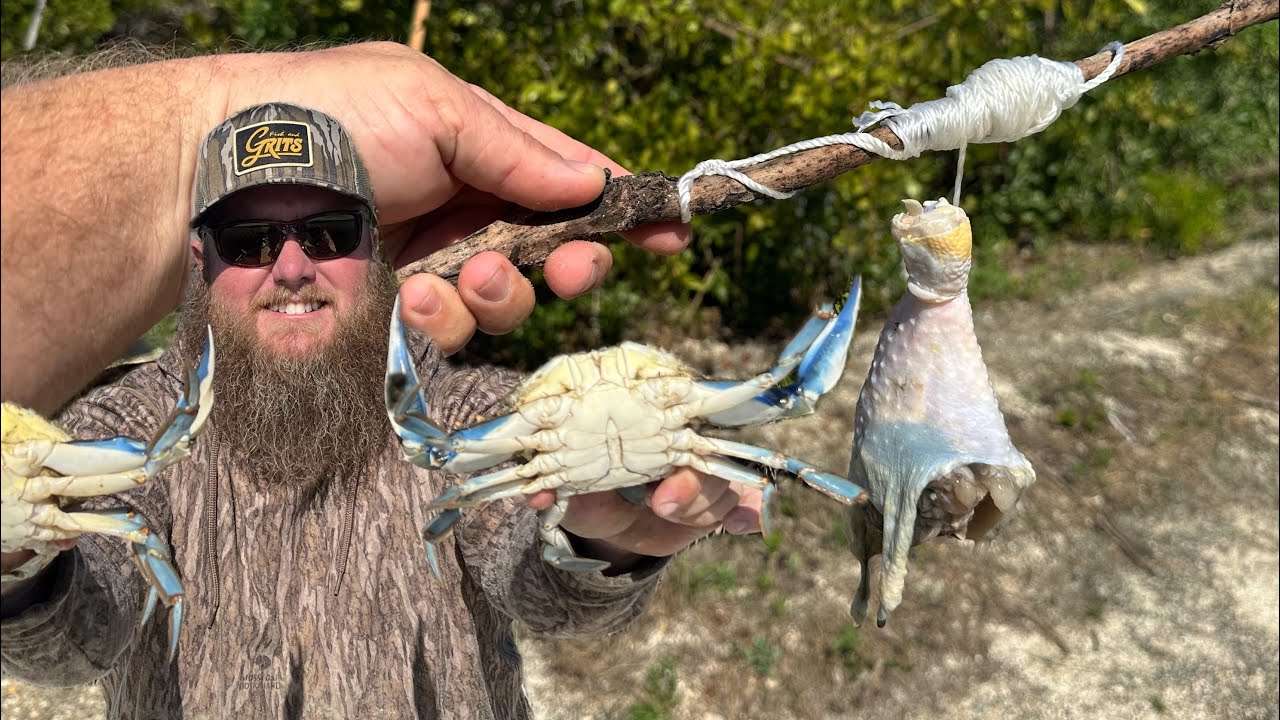
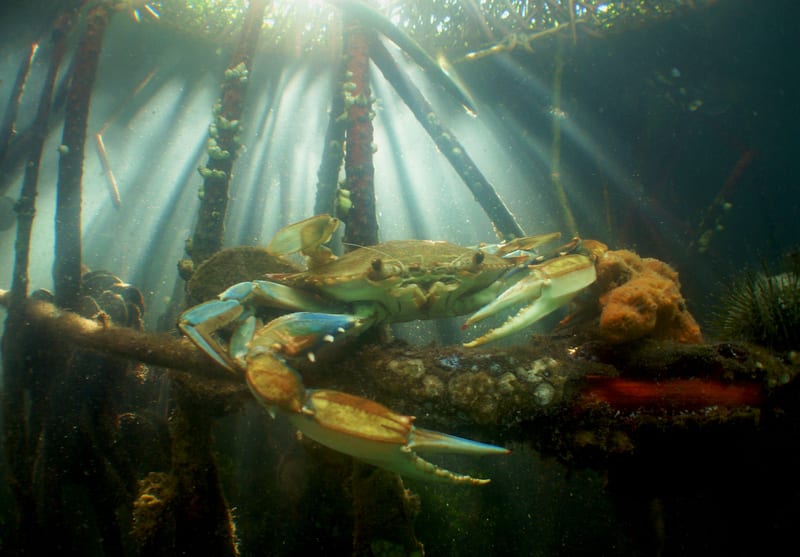
Blue crabs live in tidal pools, seagrass beds, mud flats, seawalls, bridge pilings, and creek mouths in 5–10 feet. Catch them by trap, dip net, or a hand-line baited with chicken (free blue-crab bait).
- Quartered or halved for sheepshead, black drum, and redfish — tournament sheepshead anglers swear by quartered blue crab.
- Whole or half-dollar-size live for tarpon, cobia, permit, and big reds.
Rigging notes across crab types: 15 ways anglers rig crabs for sheepshead.
Where are the best shrimping and crabbing spots?
You don’t have to run far for any of it. The best shrimp light-lines and crab shorelines are the same water you already fish.
- Shrimp: any lit seawall or dock light along the Intracoastal, the shadow lines under the bridges, spoil-island edges, and the outgoing flow near Big Pass and New Pass. Winter runs concentrate shrimp on the falling tide — the harder the tide, the more shrimp move.
- Pass crabs: the up-current rip lines at Big Pass, New Pass, and Longboat Pass on strong outgoing tides, plus the Skyway and bridge rips.
- Fiddlers: the mud and sand shorelines around Phillippi Creek, Roberts Bay, the mangrove edges off Siesta Key, and any exposed intertidal flat at low tide.
- Blue crabs: creek mouths, seagrass beds, seawalls, and bridge pilings — trap them or hand-line with chicken.
Bring the tides and currents guide into every plan: shrimp runs and pass-crab flushes are both tide-driven, and fiddlers only expose on the low. A trip timed to the wrong tide is a trip with an empty bucket.
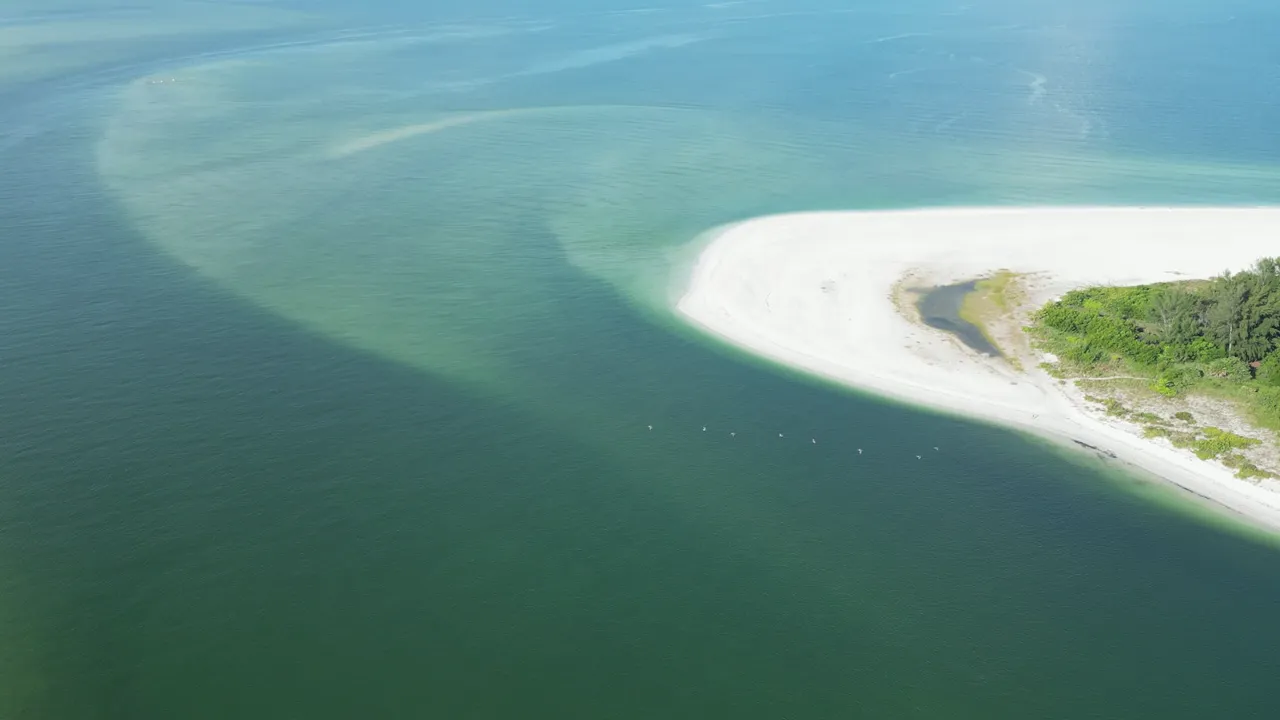
Fiddlers only expose on the low; shrimp and crabs run on the fall.
A word on keeping crabs
Crabs are far hardier than shrimp or whitebait — that’s part of why they’re such useful bait. Keep them cool and damp, not submerged: a cooler with a wet towel or a bucket with a little water and a lid holds pass crabs, fiddlers, and blue crabs alive for hours. Don’t drown them in a sealed container of water with no oxygen. Break the pincer claws off pass crabs before you store them so they don’t shred each other, and keep fiddlers out of direct sun.
Quick reference: bait to target
| Bait | Prime season | Top targets |
|---|---|---|
| Live shrimp | Year-round (best winter) | Sheepshead, trout, reds, snook, pompano, flounder |
| Pass crabs | May–August | Tarpon (#1), permit, cobia |
| Fiddler crabs | Nov–March | Sheepshead, black drum, pompano, reds |
| Blue crabs | Year-round | Sheepshead, black drum, reds, tarpon, cobia |
FAQ
Do I need a license to catch shrimp or crabs in Sarasota? Yes — a Florida recreational saltwater fishing license is required to take shrimp or crabs (unless you’re under 16, a Florida resident 65+, or otherwise exempt). See the license guide.
How many shrimp can I keep? 5 gallons heads-on per harvester per day, capped at 5 gallons per vessel. Sarasota has no seasonal shrimp closure.
When is the best time to catch pass crabs? The early outgoing tide 2–3 days around the new and full moons, May through August. A falling — ideally negative — tide flushes the most crabs out the passes.
Where do I find fiddler crabs? Soft mud and sand shorelines with structure at low tide — mud banks, oyster bars, under docks, and mangrove edges. They emerge from their burrows to forage when the water drops.
What’s the best sheepshead bait, fiddlers or blue crab? Both work. Fiddlers are the traditional whole-crab bait; quartered blue crab is the tournament favorite for bigger fish. Live shrimp is the reliable third option.
Related
Rig and fish these baits with the live bait technique guide and the popping-cork and bottom-fishing pages. For whitebait, see cast-netting whitebait; for pinfish and mullet, catching pinfish and baitfish. The complete live bait guide ties the cluster together, and bait and tackle shops covers where to buy shrimp when you’d rather not catch them.