Snook —
The Linesider of the Passes & Lights
Centropomus undecimalis. The most sought-after inshore gamefish on the Sarasota coast — an ambush predator with a jet-black lateral line, a bucket mouth, and a gill plate that cuts leader like a razor. A strict two-window season, a tight 28–33″ slot, and a night dock-light game unlike anything else inshore. Here's exactly how, when, and where — and how to book the trip.
The Fish That
Owns the Shadow Line
No inshore fish rewards local knowledge like a snook. They are ambush predators — they sit on structure, tucked into current shade, and explode on bait that washes past. Learn the tide, the shadow line, and the season, and you catch them consistently. Ignore any one of the three and you blank. That's the whole game: passes, bridges, dock lights, and mangroves, fished on moving water, inside a strict two-window season.
Sarasota Bay is one of the great snook estuaries on the Gulf coast: six fishable passes, dozens of lit bridges and dock-light corridors, miles of mangrove shoreline, and beaches where you can sight-fish spawners in a foot of water. Fish are catchable somewhere in the system every month of the year — you just move with them.
Unlike tarpon (pure catch-and-release) or trout, snook harvest is tightly controlled: open only March 1–April 30 and September 1–November 30 in the Sarasota Bay Region, a 28–33″ slot, one fish a day, stamp required. Miss the region lines or the dates and a keeper becomes a violation. We break it all down below.
Green dock lights are the signature Sarasota snook fishery. After dark, lit docks and bridge shadow lines concentrate bait and stack snook on the up-current edge. It's visual, technical, and fishes year-round — the closest thing to sight-fishing you can do at midnight. See the Night & Dock Lights section.
Biology &
ID
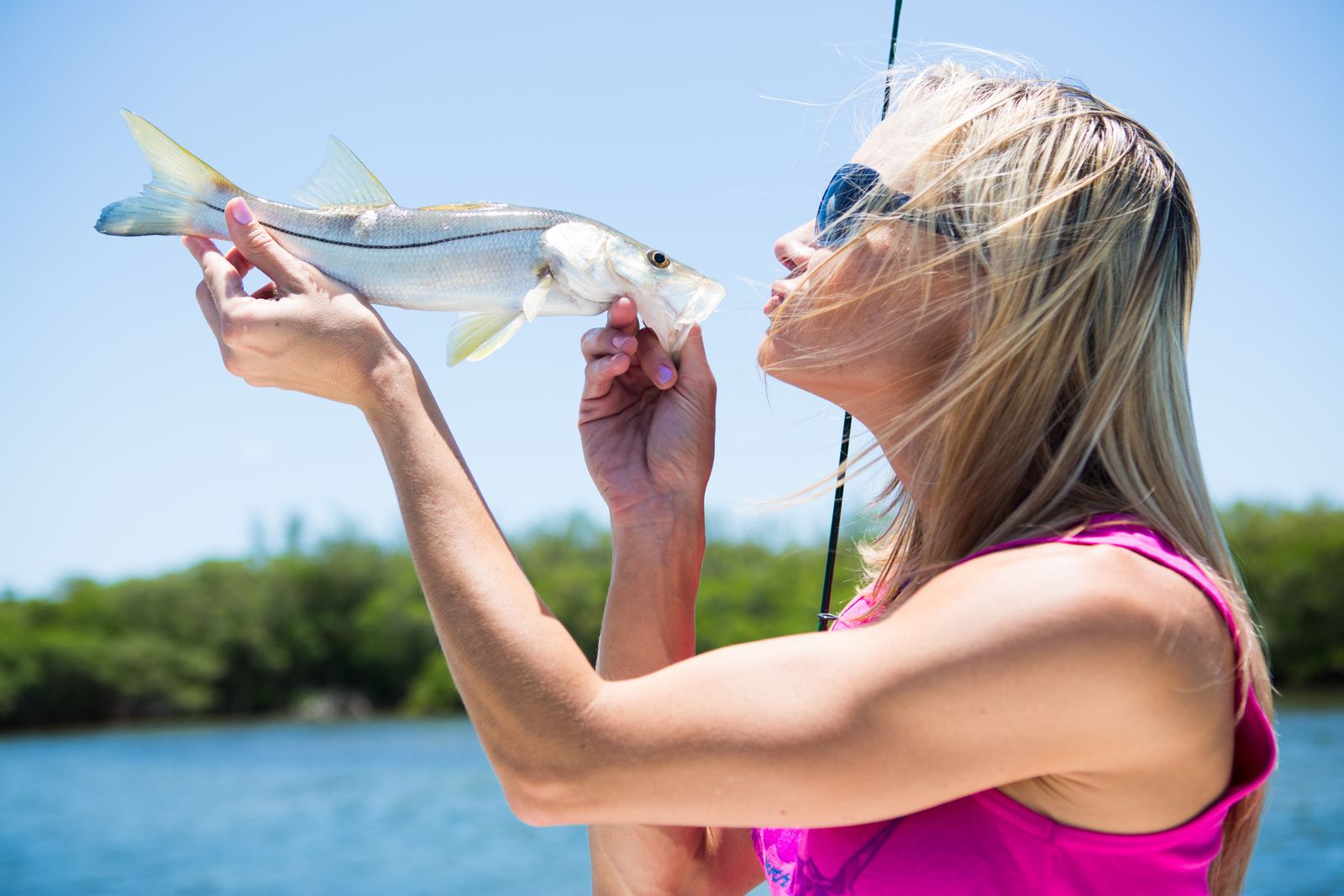
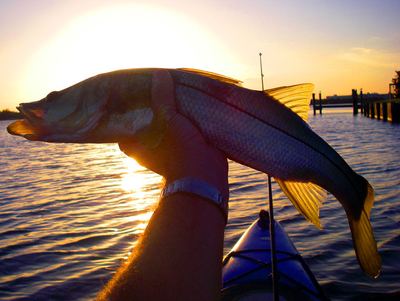
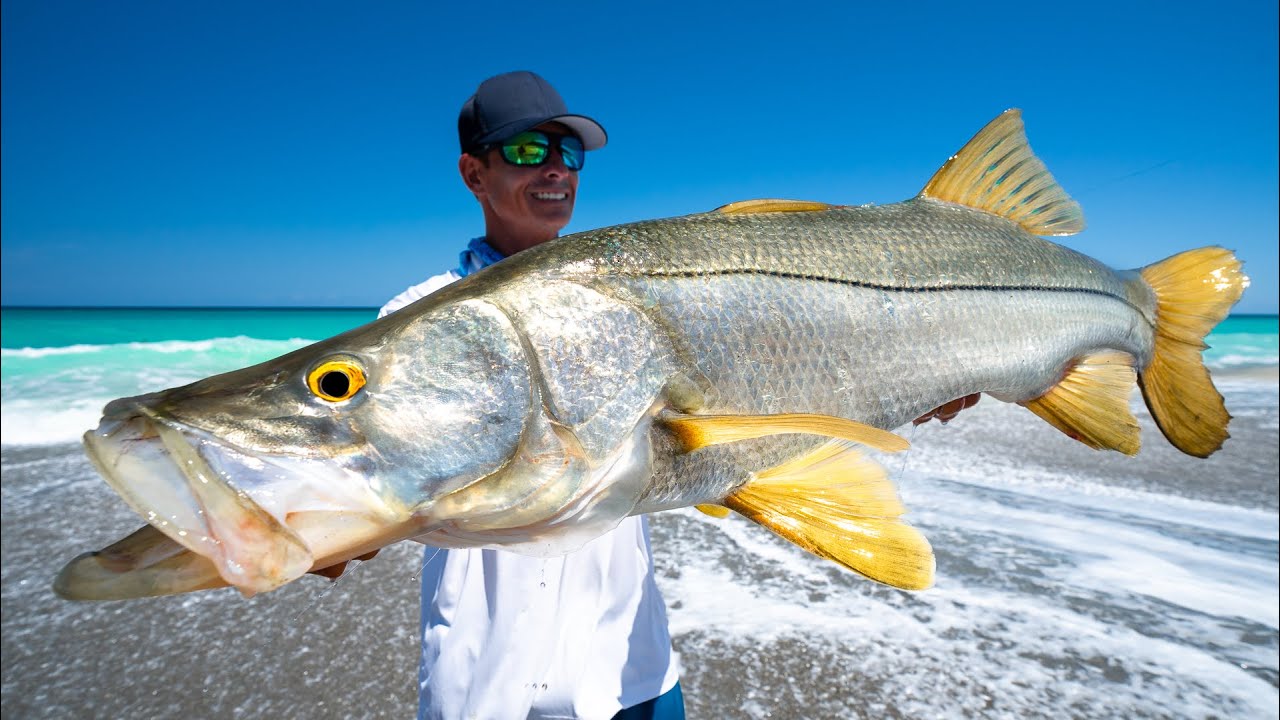
Unmistakable: a bold, jet-black lateral line running from the gill plate straight through the tail. Sloped forehead, protruding lower jaw (an under-bite built for inhaling prey), and yellow-tinged fins. A big bucket mouth and gill plates with edges sharp enough to slice through light leader — which is why leader choice matters so much.
- The tell: the black lateral line — no other inshore fish has it
- Range: both Florida coasts, warm subtropical water only
- Lifespan: females ~21 years to 48″; males ~15 years to 39″
- Feeding: ambush predator — holds on structure, eats on current
Snook management is conservative for two biological reasons, and both explain the season and the slot. First, they are cold-sensitive: lethargic below ~60°F, dying below ~54°F. The January 2010 freeze crashed the Southwest Florida stock. Second, they are protandric hermaphrodites — born male, many transition to female — so most fish over 30″ are breeding females.
- Spawn: April/May–September/October, in and near the passes on new/full moons
- Cold kills: hard freezes can trigger emergency FWC closures
- Sex change: every snook starts male and reverses between ages 1 and 7 — over-slot fish are almost all female
- Slot logic: 28–33″ protects both juveniles and big breeders
Seasons &
The Slot
This is what separates snook from every other fish on this coast. Harvest is open in only two windows a year, inside a 28–33″ slot, one fish per person per day, with a snook stamp. Everything else — the whole rest of the calendar, and every fish outside the slot — is catch-and-release. Get the region, the dates, and the slot exactly right. Here are the 2026 rules, verified against FWC.
- Jan closed
- Feb closed
- Mar OPEN
- Apr OPEN
- May closed
- Jun closed
- Jul closed
- Aug closed
- Sep OPEN
- Oct OPEN
- Nov OPEN
- Dec closed
| Rule | Sarasota Bay Region · 2026 |
|---|---|
| Slot limit | 28–33″ total length (measured with the tail pinched) |
| Bag limit | 1 per person per day |
| Open season | Mar 1 – Apr 30 and Sep 1 – Nov 30 |
| Closed season | Dec 1 – end of Feb and May 1 – Aug 31 (release only) |
| License & stamp | Saltwater license + snook stamp to harvest; no stamp needed for catch-and-release. FWC calls it the “snook permit” on its own site |
| Gear | Hook and line only; fish must remain whole until landed; no commercial sale |
| For-hire | Captain and crew may not keep a bag limit on a charter |
Our policy: every snook goes back. Those are the rules; this is what we do. We release every snook we catch — in season and out, in slot and out. The stock here is still climbing back from the 2010 freeze and the red-tide years, and a 30″ fish is a breeding female that took about five years to get there. Keep the stamp current anyway: you need it to possess a snook, and the fee funds snook research. Then let it go.
The region trap. The Sarasota Bay Region runs from State Road 64 in Bradenton south to 27°04.727′ N near the Venice airport. North of SR 64 is the Tampa Bay Region; south of the Venice line is the Charlotte Harbor Region — different dates. The adjacent Southwest Region (Collier–Monroe) stays closed through Sep 30. So an angler at Longboat Pass and one at Boca Grande are under different calendars. Buy your license and stamp at Go Outdoors Florida, and see our license guide. Rules change — verify at myfwc.com/snook before you fish.
When Is the Best
Time for Snook?
October is arguably the best keeper-slot month of the year — open season, cooling water, and fish spreading back into the bay. But snook are catchable every month if you move with them: winter creeks, spring flats, summer passes and beaches, fall mangroves and lights. Here's the 2026 year, month by month.
| 2026 Window | Status | Where the Fish Are | The Play |
|---|---|---|---|
| Jan – Feb | Closed | Winter holes — Phillippi Creek, Hudson & Whitaker Bayous, Bowlees Creek, residential canals | Slow presentations on warm afternoons; live shrimp and soft plastics. Release only. |
| Mar – Apr | Open | Sliding out of creeks to mangrove edges and flats as water passes 70°F | Pre-spawn feed — whitebait and jerkbaits on the shoreline. First keeper window. |
| May – Jun | Closed | Staging in the passes and cruising the beaches to spawn | Sight-fish the beach at dawn; drift the passes. All release. Handle fast in the heat. |
| Jul – Aug | Closed | Peak spawn — stacked in Big Pass, New Pass, Longboat Pass, Venice Inlet | Biggest fish of the year in the passes; night bridge and dock-light bite. Release only. |
| Sep | Open | Spreading from the passes back into the bay | Season reopens Sep 1 — mangrove edges, dock lights, first fall keepers. |
| Oct | Open | All over the bay — mangroves, docks, bridge shadow lines, flats | Best keeper-slot month. Topwater at dawn, whitebait all day. |
| Nov | Open | Bay shorelines and lights; starting to feel fronts | Last keeper window before Dec 1 close. Fall mullet run still firing the passes. |
| Dec | Closed | Moving to winter holes as water cools; closes Dec 1 | Back to the creeks and canals. Slow down. Release only. |
Tide beats the calendar. Whatever the month, moving water is the whole game — outgoing tide at the passes, last of the incoming against the mangroves. Slack tide is dead water. Check the NOAA predictions and our tide station guide before you burn a morning. And watch red tide — the FWC status map and Mote Marine move fish and close bites fast.
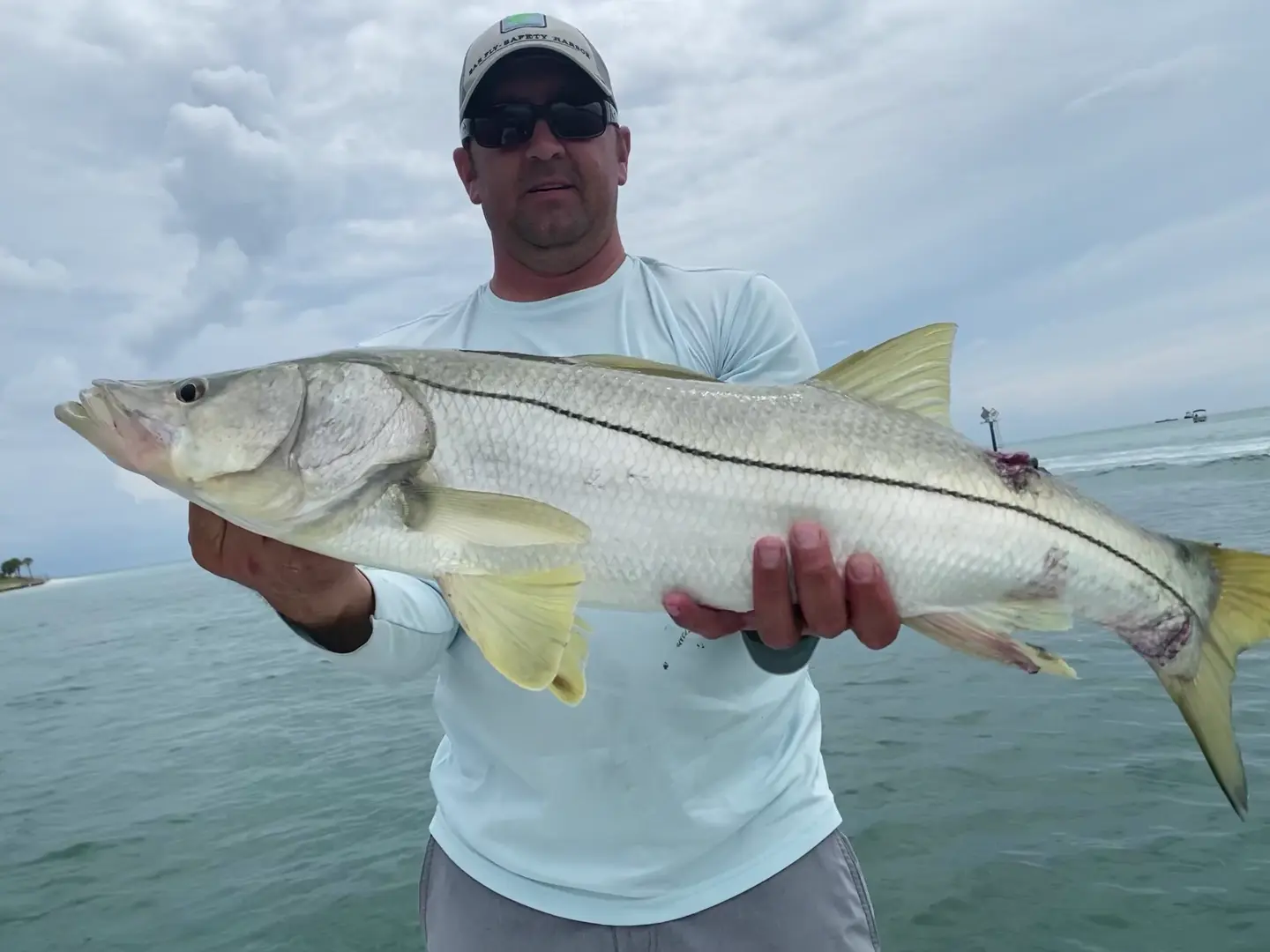
Jet-black lateral line, bucket mouth, yellow fins — that's the fish.
Where We
Find Them
Snook rotate through four habitat types by season and time of day: the passes, the bridges and dock lights at night, the mangrove shorelines and flats, and the summer beaches. Our captains read the tide and the calendar and put you on the pattern that's working that day.
Strong current, jetty rock, and deep channel swings. Snook stage in the passes to spawn May–August (closed — release) and hold on the structure year-round. Fish the bar edges and pilings on the outgoing; soak a mullet head for the biggest fish. The passes and inlets guide maps every cut.
The night game. Bridge shadow lines and green dock lights concentrate bait; snook sit on the up-current dark edge and ambush it. Sarasota's most reliable urban fishery, and it runs year-round on warm nights. Full detail in the Night & Dock Lights section.
Fish tuck under overhanging mangroves and ambush bait on the last of the incoming — the fall keeper-slot pattern. And June–September, snook cruise the surf off Siesta, Lido, and Casey Key in inches of water — closed-season sight-fishing at first light.
The whitebait pattern ties it together: most of these spots fish best with a livewell full of scaled sardines, cast-netted early on the grass edges and thrown in handfuls to fire the school. That chum-and-pitch program is the backbone of live-bait fishing here — see the Bait section below.
Where, When & How —
25 Snook Spots, Anna Maria to Boca
Twenty-five named snook spots from north Sarasota Bay down to Boca Grande — color coded by habitat (passes, beaches, dock lights, bridges, mangroves, winter creeks). Click any marker for the spot's peak months, ideal tide stage, the bait we run there, and how to access it — including the land-based spots. Built on satellite imagery so you can read the structure and pick your own lines.
Coordinates are approximate. Always verify GPS marks against current NOAA charts and check FWC regulations — including the region boundaries — before fishing. Imagery © Esri.
Daylight snook are a shadow game. The fish sits inside structure — mangrove roots, a dock piling, the lip of a bar — and lets the tide bring something edible past the edge. You are casting at cover, not at fish, and the cast has to land tight enough that the bait swings into the shade on the first drift.
After sunset that flips. Bait piles into the dock lights and the bridge glare, and the snook leave the roots to hunt in open water along the shadow line. Same fish, same tide, a completely different game — and on this coast it is the better one.
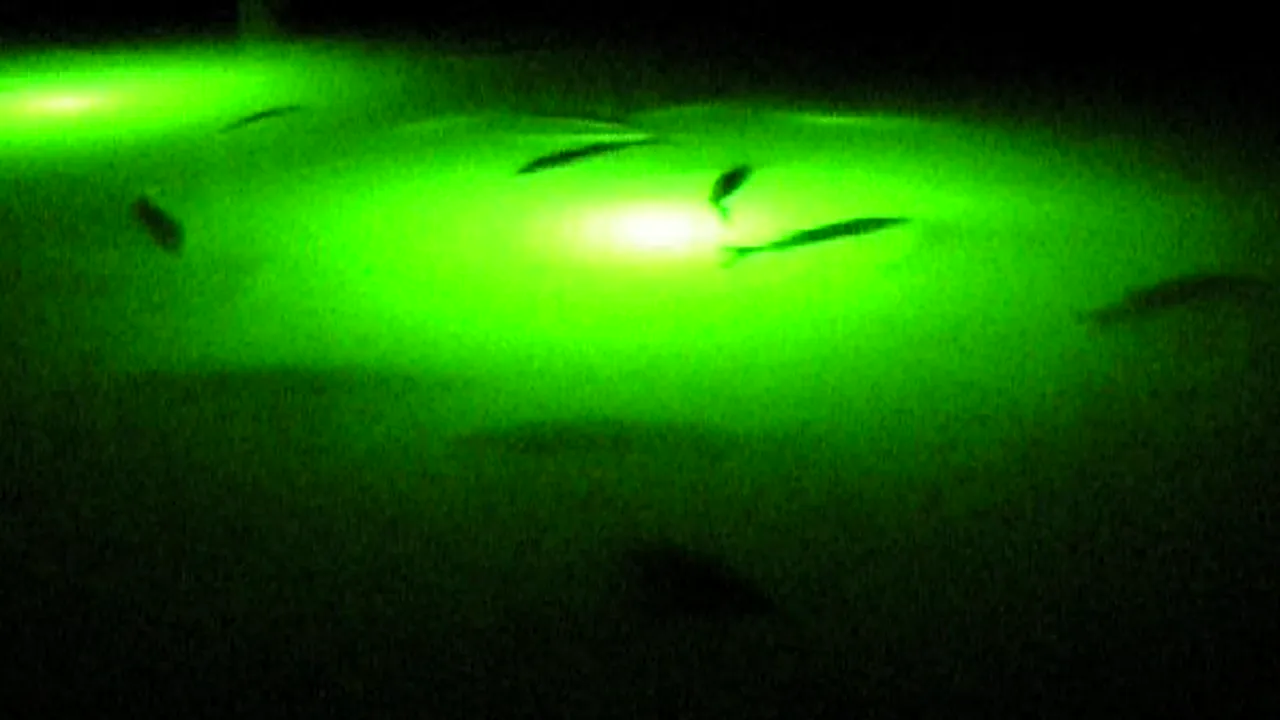
Snook stack on the light lines when the sun drops
Night &
Dock Lights
If snook have a home-field advantage in Sarasota, it's after dark. Green underwater dock lights and lit bridge shadow lines turn the bay into a stage: bait piles into the light, and snook hold in the dark just up-current, sipping and crushing whatever drifts through. It's visual, technical, and it fishes year-round — the single most productive way to target snook in this system.
Green underwater lights concentrate glass minnows, shrimp, and small baitfish. The snook do not sit in the light — they hold on the up-current shadow edge, facing the current, and pick off bait washing out of the glare. Read the light like a current seam: the darker the water your fly or bait lands in, the better.
- Approach: idle in on the trolling motor — noise kills the bite
- Cast: to the dark up-current edge, never into the light
- Leader: drop to 20–30 lb fluoro in clear water
- Presentation: dead-drift with the current, twitch on the seam
Same physics, bigger scale. Bridge lights throw a hard shadow line across moving water; snook stack on the up-current edge under the Ringling Causeway, Siesta Drive, and Stickney Point spans. Anchor or hold up-current of a piling and drift a live shrimp, pinfish, or a small white flair-hawk jig back into the shadow. When a fish eats, follow it — never lock the drag against the pilings.
- Best spots: Ringling (Tony Saprito Pier), Stickney Point, Siesta Dr
- Bait: live shrimp, pinfish, flair-hawk and bucktail jigs
- Tide: strong moving water — the harder the current, the better
- Shore access: the bridge catwalks fish as well as the boat
The highest-percentage fly game in Sarasota: a white EP-style baitfish fly on a dock light. Snook eat flies readily in the lights because they're keyed on small, translucent bait. Book the dock-light night trip or a fly session, and pair it with sight-fishing technique — because on a clear light, you watch the fish eat.
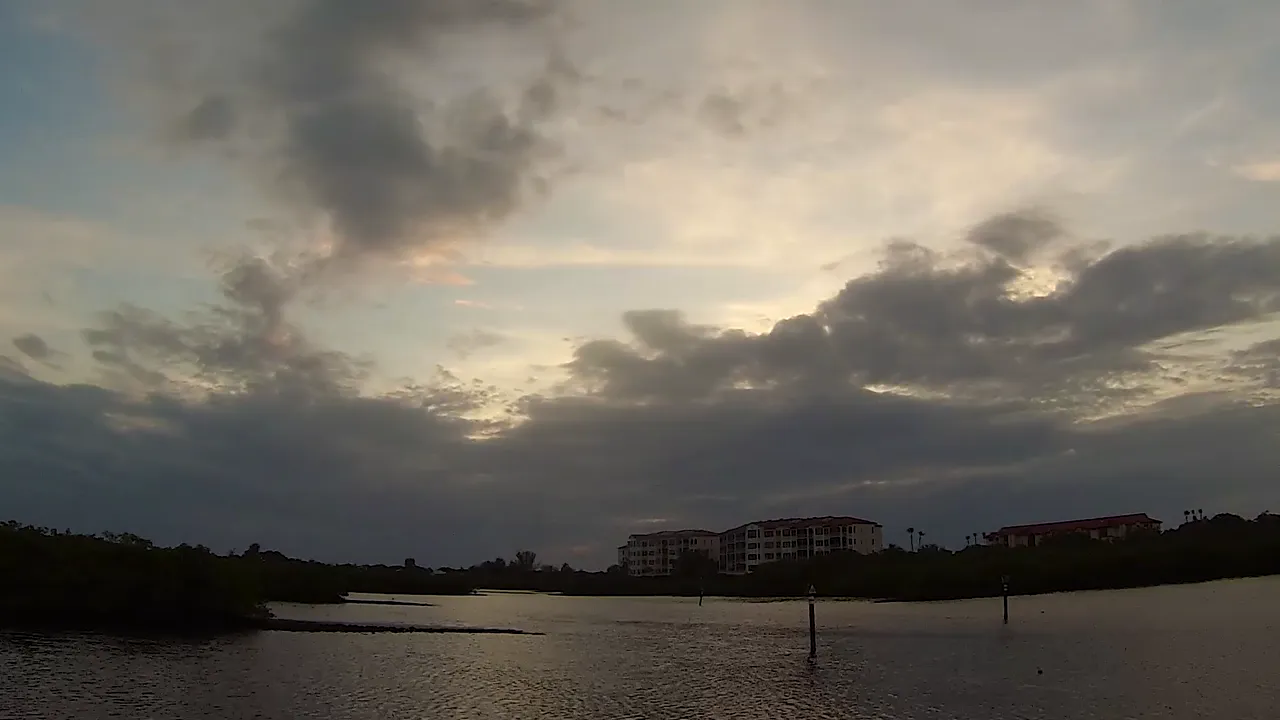
The best snook window opens the first hour after dark, on a moving tide.
Bait Techniques
for Snook
Snook are ambush feeders that key on natural prey riding the current. The number-one bait on this coast is a live scaled sardine — whitebait — and the number-one skill is chumming: throw handfuls of livies to fire the school into a feeding frenzy, then pitch a hooked bait into the chaos. Here's the program.
Cast-net a livewell of scaled sardines (whitebait / pilchards) early on the grass edges or the Radio Tower flats. On the spot, throw handfuls of free (unhooked) baits to draw snook out of the structure and get them competing. Then pitch a single hooked sardine into the feeding fish. When they're fired up, the eat is violent.
Setup: 15–20 lb braid → 30–40 lb fluorocarbon leader → 1/0–3/0 live-bait hook → whitebait hooked through the nose or just ahead of the anal fin.
A big live shrimp free-lined or under a cork is deadly on dock lights, bridge shadow lines, and in the winter creeks when whitebait is scarce. Hook it under the horn or through the tail and let it drift naturally with the current into the shadow line. In cold water, slow everything down — snook barely move below 60°F.
Note: shrimp is the go-to when the water's cold or the fish are pressured and picky. It looks like everything and threatens nothing.
A lively 3–5″ pinfish free-lined around pass structure or bridge pilings screens out smaller snook and targets the larger fish holding on the structure. Hook it through the nose or behind the dorsal and let it swim naturally. Pinfish are hardy, stay lively in current, and are easy to catch on the grass flats with a small hook.
A pass-bottom technique: a fresh dead mullet head fished on the bottom in a pass on a heavy outgoing tide. It doesn't swim off, it sits in the strike zone, and it puts off scent — what a larger snook holding in the pass will eat at night. Fish it on a fish-finder rig with just enough weight to hold bottom in the current.
Lure &
Fly
Snook eat artificials as well as any inshore fish — and on the flats, the beach, and the dock lights, a well-presented lure or fly can out-fish bait. The choice is about the water and the experience you want. Both demand accurate casts to structure and a presentation that matches the current.
Lure Fishing
Soft-plastic jerkbaits and paddletails on light jigheads for the flats and mangroves, topwater walkers at dawn in fall, and small white jigs in the passes and bridge lights at night. Match the bait size and let the current do the work — snook want an easy, natural-drifting target.
- Soft jerkbaits: weightless or 1/8 oz — mangroves and flats
- Paddletails: 1/4 oz white — search the shorelines
- Topwater walkers: dawn, Sep–Nov, over the grass
- Flair-hawk / bucktail jigs: passes and bridge lights at night
- DOA shrimp: dead-drifted through dock lights
Fly Fishing
The dock lights are the highest-percentage snook fly game in Sarasota, and the summer beach is the most beautiful. White EP-style baitfish patterns and small shrimp/gurgler flies, on a 8–9 wt with a floating or intermediate line and a shock tippet to beat the gill plates.
- Rod: 8–9 wt, floating or intermediate line
- Leader: 9 ft to 30–40 lb fluoro shock tippet
- Patterns: white EP baitfish, glass-minnow, small gurglers
- Dock lights: dead-drift the fly into the shadow seam
- Beach: sight-cast cruisers at first light, Jun–Sep (release)
Leader is not optional. A snook's gill plates and raspy jaws will shear light line in one head-shake. Never fish under 30 lb fluorocarbon around structure; step up to 40–60 lb for pass and bridge fish. Full breakdown in the Tackle section and our topwater and fly-fishing guides.
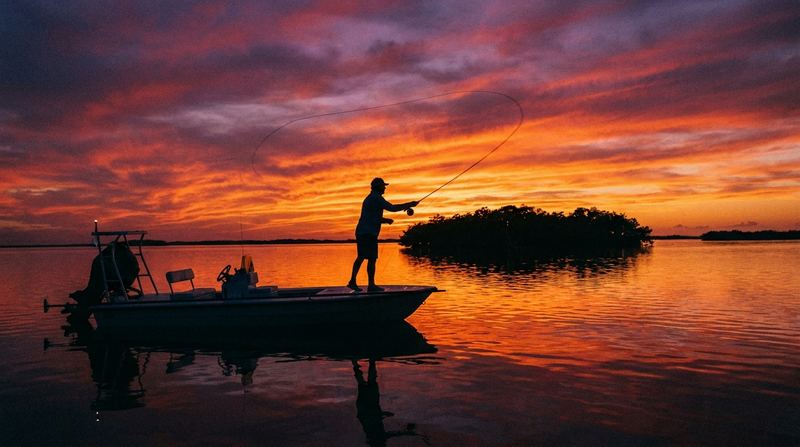
Can You Catch Snook
From Shore?
Yes — this is one of the best land-based snook fisheries on the Gulf coast. Rock jetties, lit bridges, piers, and summer beaches all put walk-up anglers on real fish. Florida residents can fish from land on the free shore-based saltwater license (the snook stamp still applies if you keep one).
The premier walk-up snook spot in the county — rock structure, current, and fish year-round on both the North and South Jetties. Cast a live sardine or a jig tight to the rock and let the current sweep it into the strike zone. Best on a moving tide, day or night.
The Tony Saprito Pier on the Ringling Causeway fishes well at night, with Hart's Landing bait shop right next door. Add the Siesta Drive, Stickney Point, and Albee Road bridge catwalks — anywhere with a lit shadow line and legal access. Live shrimp under a cork is the classic move.
Walk Siesta, Lido, or Casey Key at first light and sight-fish cruisers in inches of water. Cast parallel to the beach, not out to sea, and drop to 20 lb leader in the clear sand-bottom water. Closed season — every beach fish goes back.
Before you go: get the free shore-based license (residents) or a saltwater license at Go Outdoors Florida, add the snook stamp if you plan to keep one, and know the open dates. Details in our license guide and boat ramp & access guide.
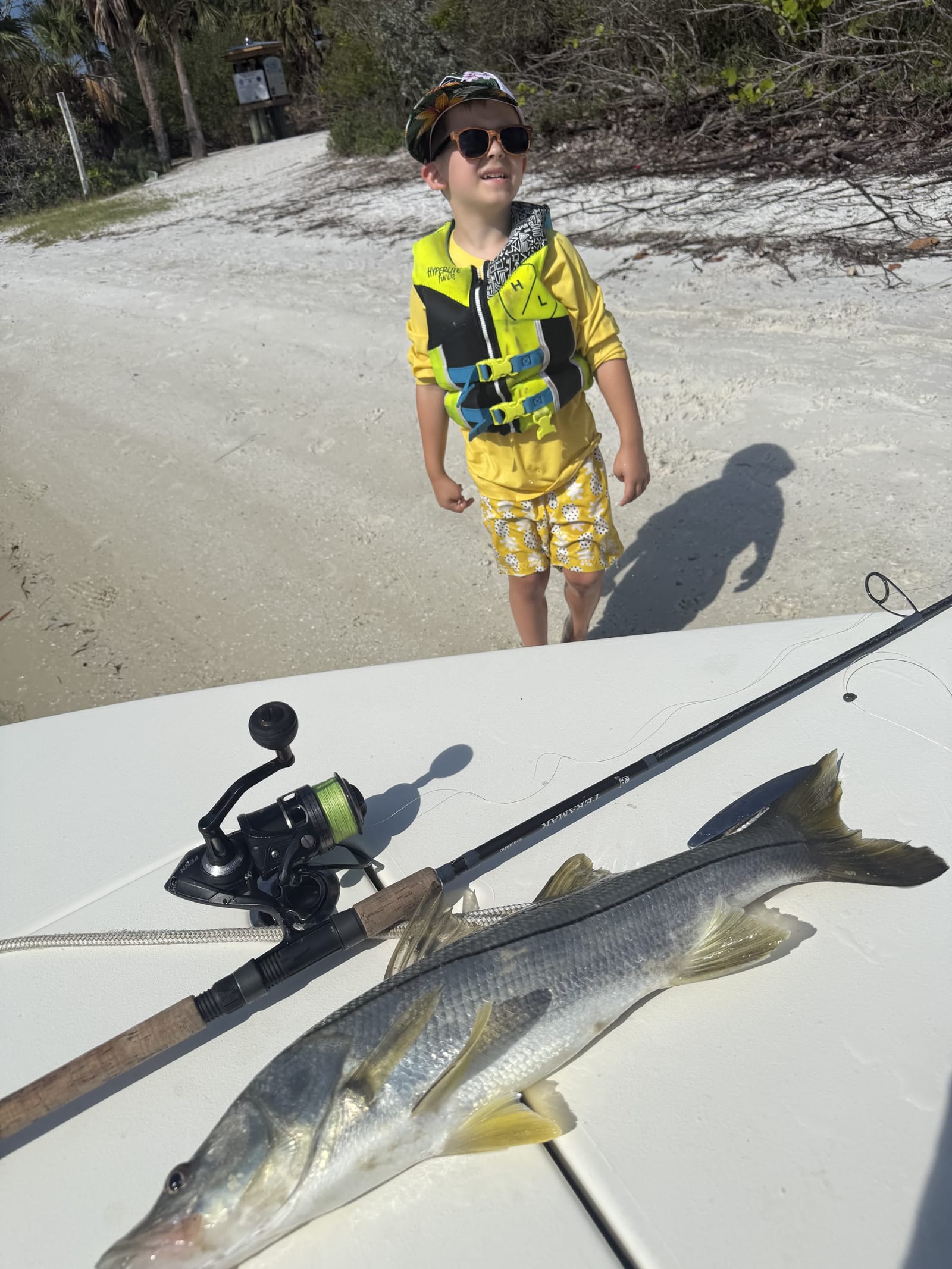
Tackle &
What to Bring
Every tackle item below is provided by the captain. The list is here so you know what's on the boat — and so you can match it if you want to bring your own favorite outfit. Snook tackle is lighter and more finesse than tarpon, but the leader is non-negotiable.
Provided on Every Charter
- 7′–7′6″ medium-heavy spinning rods, fast action
- 3000–4000 reels (5000 for pass/bridge fish), 15–20 lb braid
- 30–40 lb fluorocarbon leader (40–60 lb for structure)
- 1/0–3/0 live-bait hooks; flair-hawk & bucktail jigs
- Topwater walkers, soft jerkbaits, DOA shrimp
- Cast net + livewell of whitebait / shrimp / pinfish
- Fishing license coverage (captain's charter license)
- USCG-compliant safety gear, first aid
What You Bring
- Reef-safe sunscreen (SPF 30+)
- Polarized sunglasses (essential for sight-fishing the flats & beach)
- Sun hat or buff · light jacket for night trips
- Non-marking soft-sole shoes
- Snacks and drinks (no glass)
- Camera or pro photo/video add-on
- Snook stamp if you want to keep a fish (open season only)
- Cash for tips (industry standard 15–20%)
What Snook
Actually Eat
| Bait | Rating | Best Conditions | Best Spots |
|---|---|---|---|
| Live Whitebait (scaled sardine) | ★★★★★ | Warm months, chum & pitch | Passes, mangroves, dock lights |
| Live Shrimp | ★★★★★ | Cold water, night, picky fish | Dock lights, bridges, winter creeks |
| Live Pinfish | ★★★★★ | Screening for bigger fish | Passes, bridge pilings |
| Dead Mullet Head (bottom) | ★★★★★ | Heavy current, night, trophies | Pass channels, deep structure |
| Soft Jerkbaits / Paddletails | ★★★★★ | Flats & mangrove searching | Shorelines, spoil islands, flats |
| Flair-Hawk / Bucktail Jigs | ★★★★★ | Night structure, strong current | Passes, bridge shadow lines |
| Topwater Walkers | ★★★★★ | Dawn, calm surface, fall | Grass flats, mangrove edges |
| White Baitfish Fly (8–9 wt) | ★★★★★ | Dock lights, clear beach surf | Dock lights, summer beaches |
Records &
Stats
"Everybody wants the fish in the light. The fish is never in the light — it's sitting in the dark two feet up-current, watching the whole thing. You put the bait on the edge of the shadow, let the tide carry it in, and hang on. That's snook fishing in Sarasota. Learn the shadow line and you'll catch them the rest of your life."
— A Sarasota.Fish captainFrom the Boat —
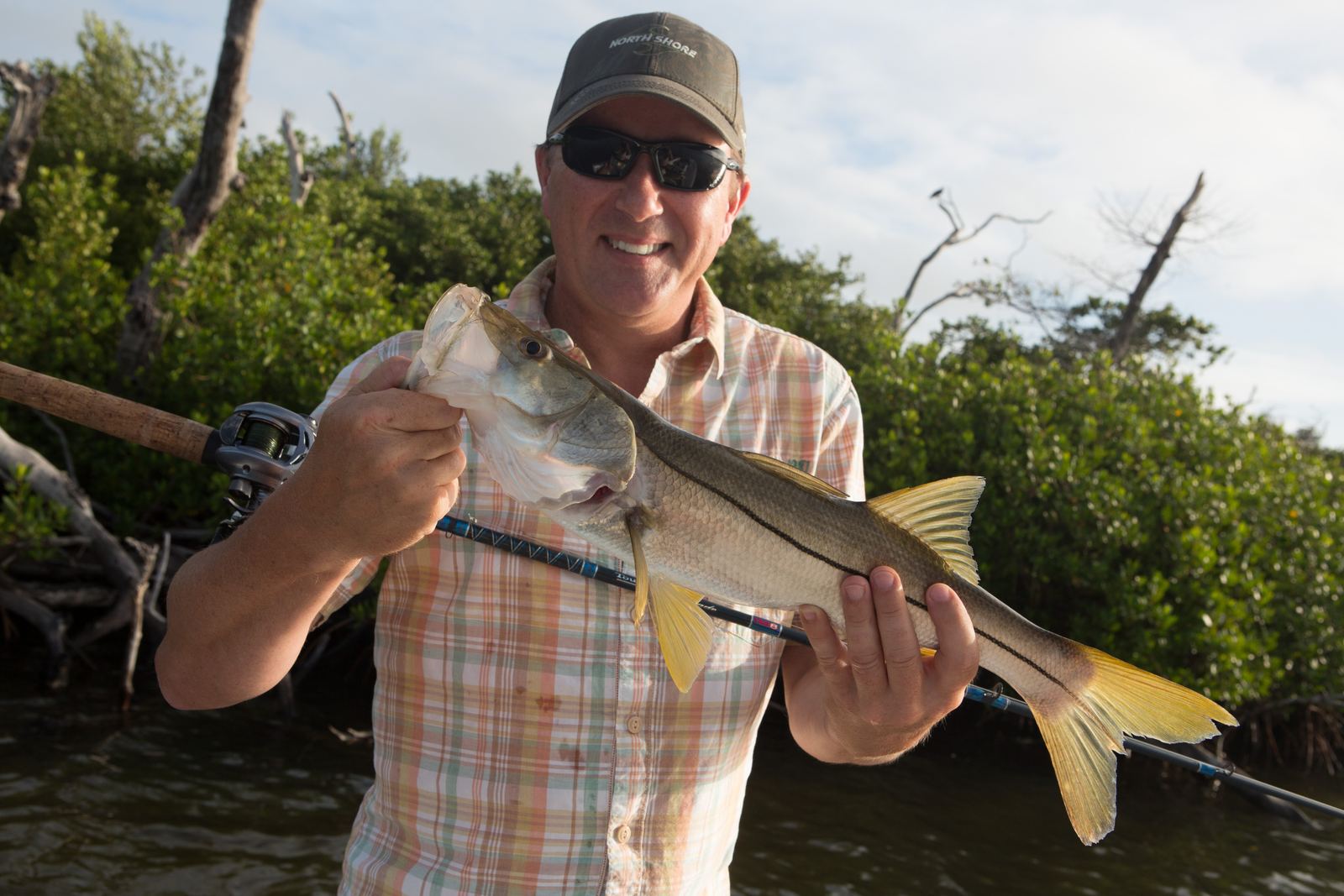
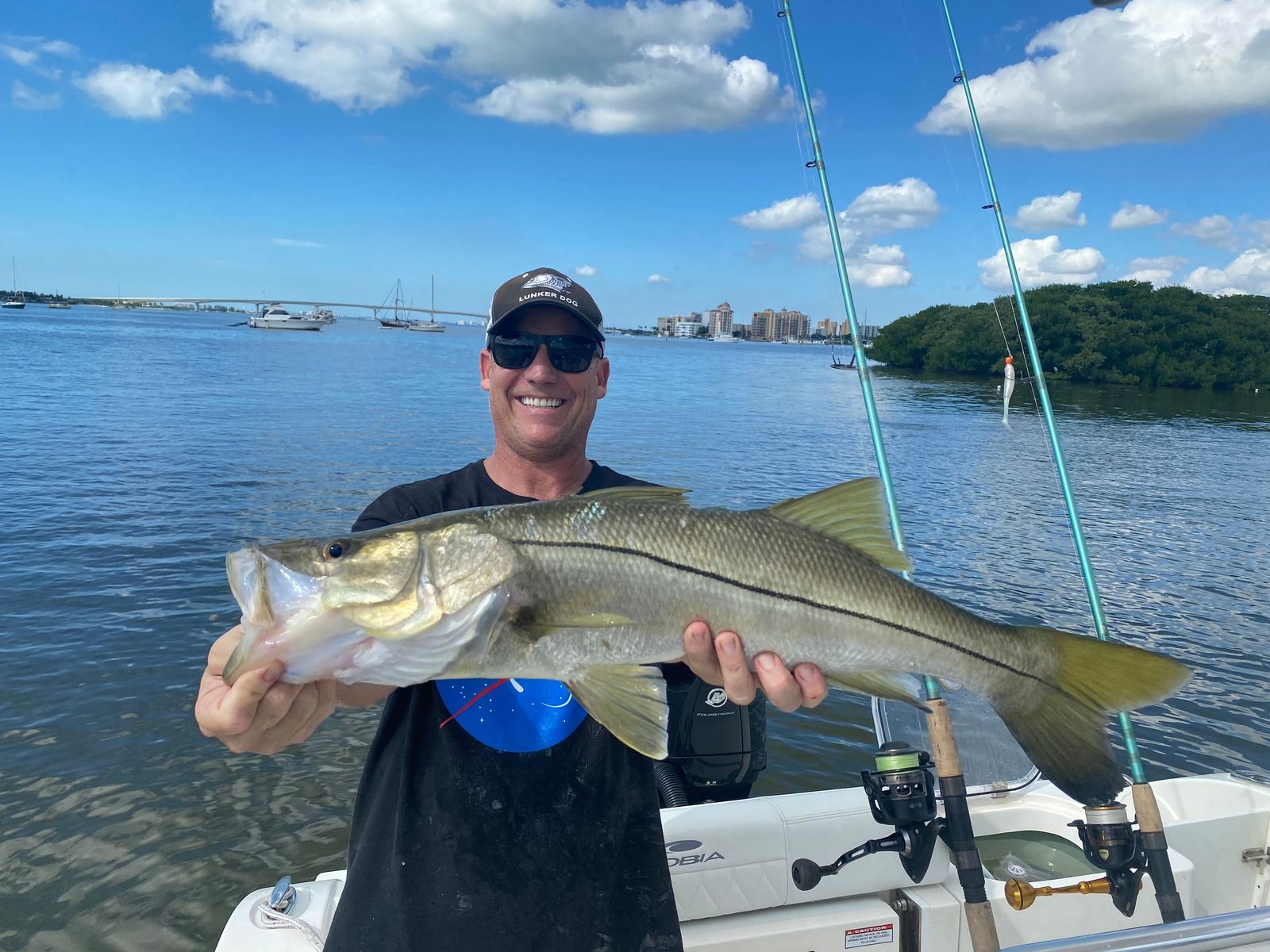
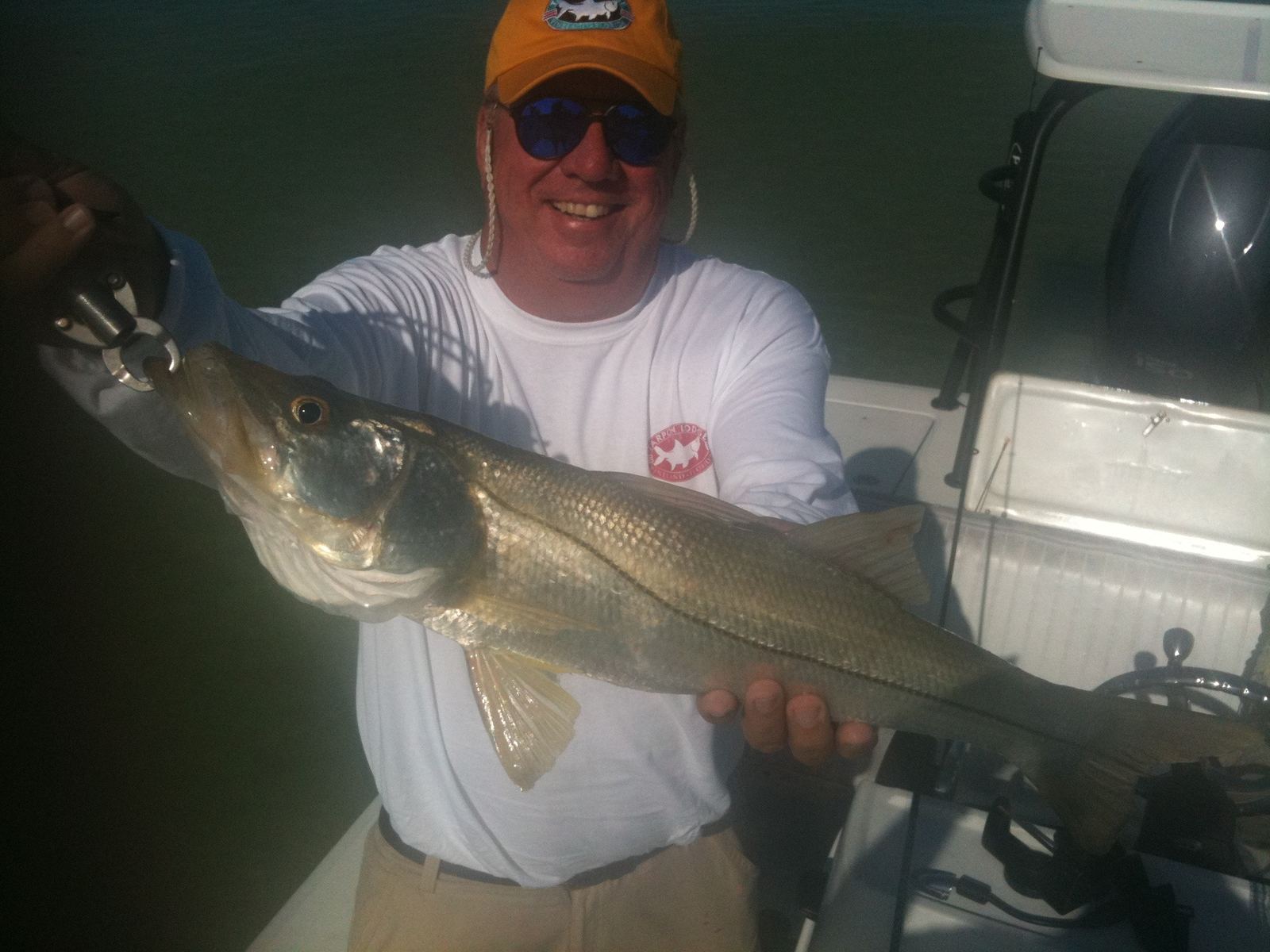
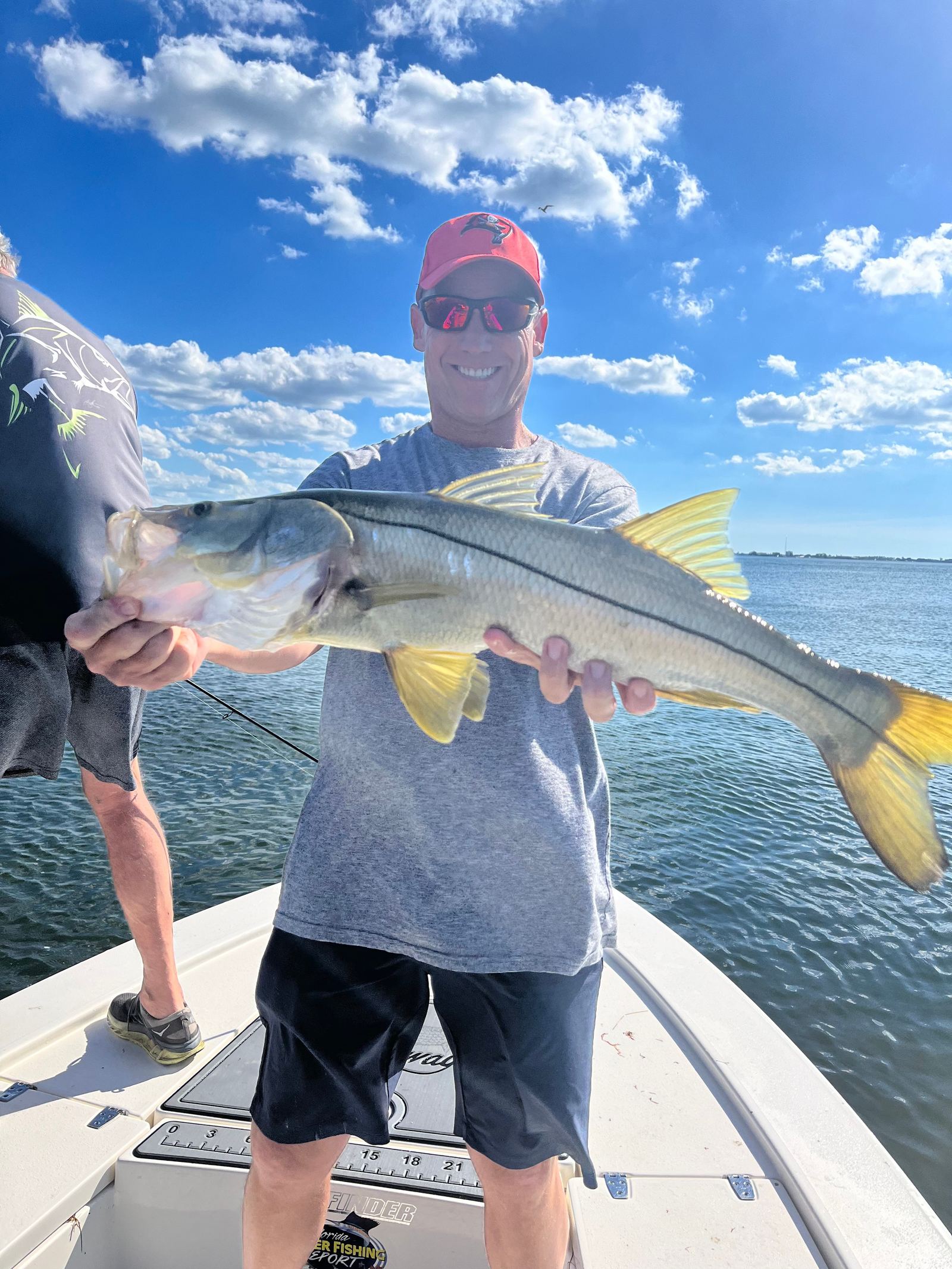
Real Sarasota Snook
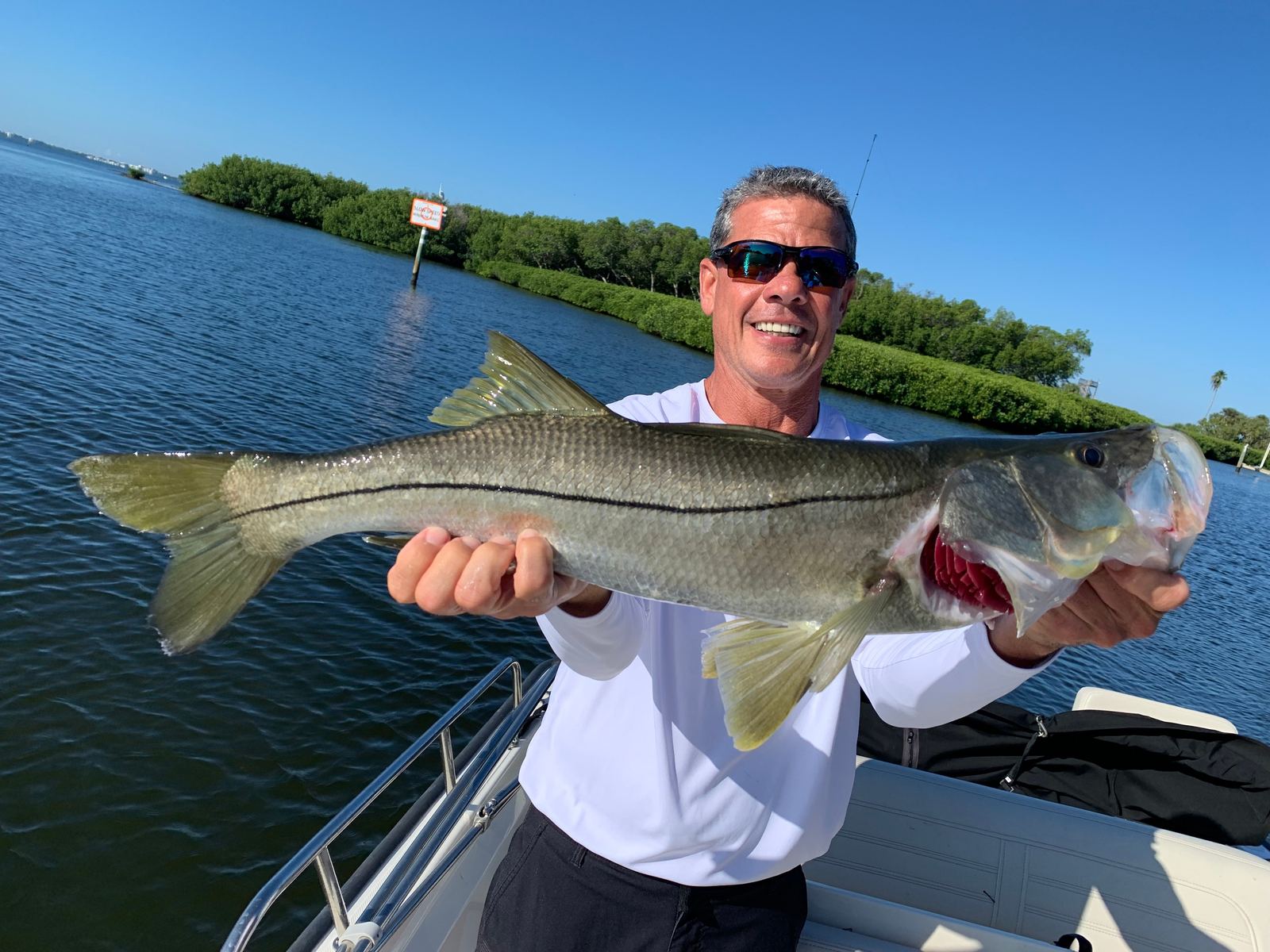
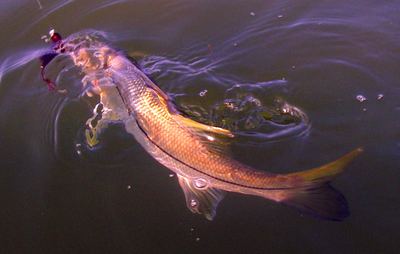
Snook from Sarasota captains and from anglers we've put on fish — mangrove flats, the passes, and the night dock-light game. Closed-season and out-of-slot fish were released after the photo.
Snook on Video
12 public videos from 10 channels, sorted by subject. Nothing plays until you click it.
How-To & Technique
4Rig, bait, and location tutorials for targeting snook from the beach, shore, and bridges.
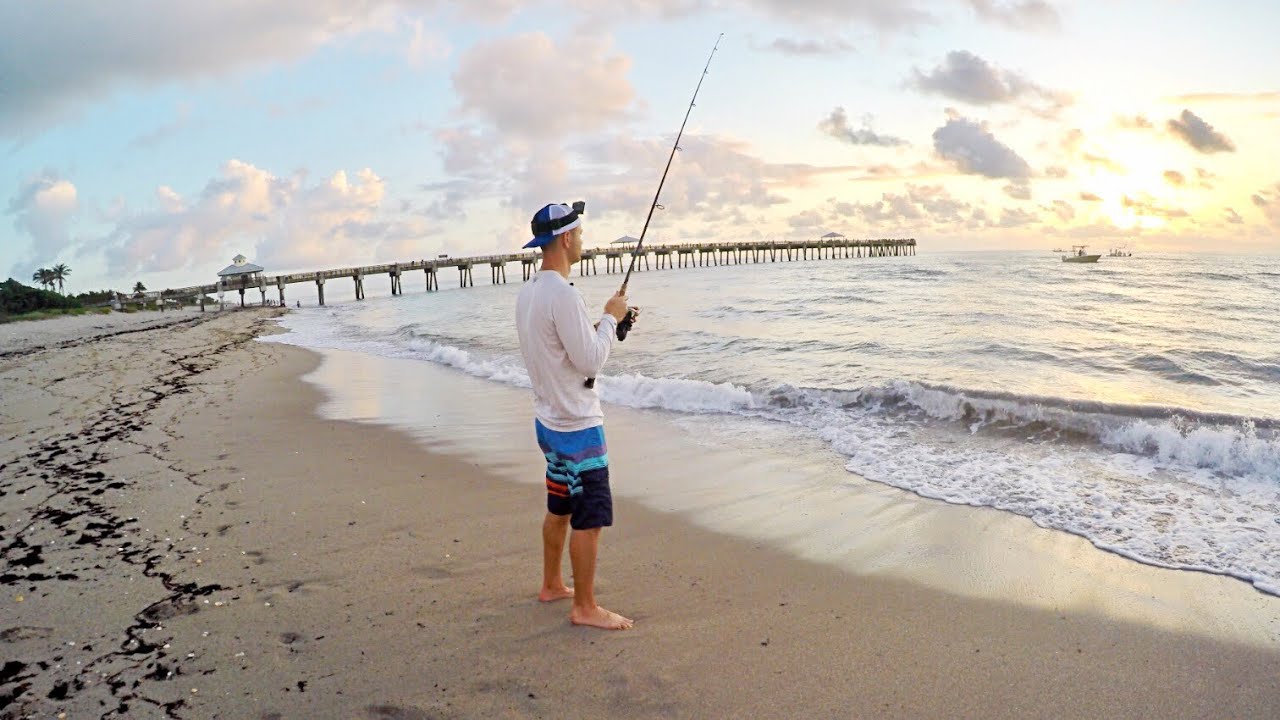
How To Catch Snook from the Beach in 3 Easy Steps! (Tutorial)

The Secret To Catching Giant Florida Snook..
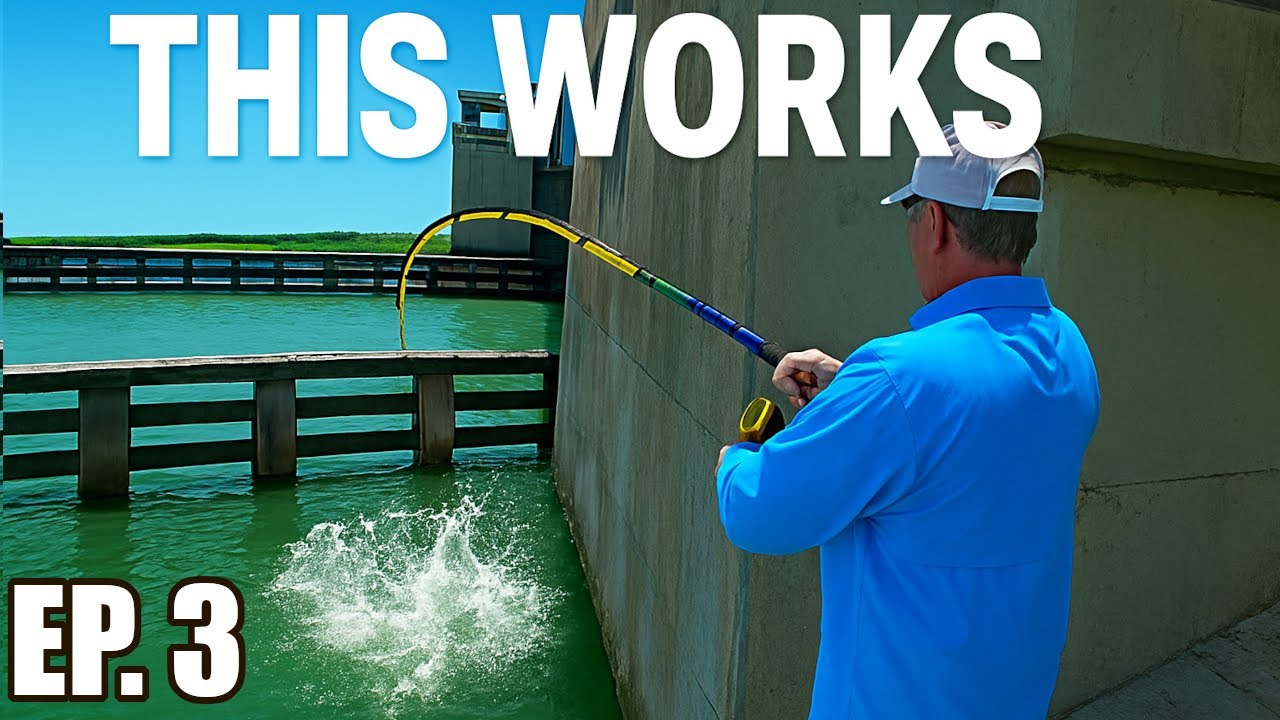
How to Catch BIG Snook from Shore (Secret Pinfish Method | Florida Bridge Fishing Tips) Ep 3

South Florida Snook Seminar - Florida Sport Fishing TV - Best Rigs, Baits, Locations
On the Water
8Real snook hookups across Florida beaches, piers, mangroves, and docks including catch-clean-cook.

MASSIVE Topwater Snook Fishing

48 Hrs Chasing TROPHY Fish Off Public Piers! (Florida Snook Fishing)
Florida's ILLEGAL Fish...Catch Clean Cook -Snook (Mullet Run)

Snook & Tarpon Fishing In HIDDEN Mangrove Canals

Night Fishing for BIG SNOOK (Captiva, Florida)

Chasing a Forever Fish at Legendary Florida Inlet! (Catch Clean & Cook Snook)

Catching Backcountry GIANTS On Topwaters! (Florida Snook Fishing)

Chasing Florida's Biggest Snook in Jungle Rivers
Snook Reports
& Stories
Latest snook-tagged posts from our captains. Fishing reports, conditions, season openers, and stories from the boat — published as the year unfolds.
5 Secrets to Winter Snook on the Peace River
The Peace River is Charlotte Harbor's winter snook refuge. Five secrets — get above the US 41 bridges, fish the bridge lights at night, and work the cold-front push.
Read more →5 Secrets to Catching Fish in Big Pass (Big Sarasota Pass)
Big Sarasota Pass is one of the best snook passes on the coast. Five local secrets — the outgoing tide, the swash channel, night snook, and the shore access nobody uses.
Read more →5 Secrets to Catching Fish in Phillippi Creek
Phillippi Creek is Sarasota's winter snook hole. Five secrets — cold-front snook, the US 41 bridge, summer baby tarpon, the creek-mouth flats, and dock-light nights.
Read more →What Are the 2026
Snook Rules?
Snook harvest in the Sarasota Bay Region is open only March 1–April 30 and September 1–November 30, on a 28–33″ slot, one fish per person per day, with a snook stamp. Everything else is catch-and-release. The 2026 rules, verified against FWC:
| Rule | 2026 Regulation (Sarasota Bay Region) |
|---|---|
| Slot limit | 28–33″ total length, measured with the tail pinched |
| Bag limit | 1 per person per day |
| Open season | Mar 1 – Apr 30 and Sep 1 – Nov 30 |
| Closed season | Dec 1 – end of Feb and May 1 – Aug 31 (catch-and-release only) |
| License & stamp | Saltwater license + snook stamp to harvest; catch-and-release needs the license only |
| Gear | Hook and line only; fish must remain whole until landed; no commercial sale |
| Region boundary | SR 64 (Bradenton) south to 27°04.727′ N (near Venice airport); differs N and S |
Last reviewed 2026-07-19 against the FWC snook regulations page. Rules change — verify before you fish. How Florida regs work in general: our FWC regulations guide and license guide.
Best release practices: most of the year — and every over-slot fish — is catch-and-release, and most big snook are breeding females. Fight the fish quickly, keep it in the water, support it horizontally, and revive it until it kicks free on its own. In summer heat and during the spawn, minimize air time. Full technique: our catch-and-release guide.
External Resources
- FWC — Snook Regulations Regional dates, slot, stamp, annual review
- Go Outdoors Florida Buy the saltwater license + snook stamp online
- Florida State Records Snook state record: 45.75 lb (Sebastian, 2015)
- FWC Red Tide Status Map Updated monthly — and red tide can move fish or close a bite between updates
- Mote Marine Laboratory Sarasota-area beach conditions and research
- NOAA Tide Predictions Moving water is the whole game — plan around the tide
Snook FAQ
When does snook season open in Sarasota in 2026?
March 1 and September 1. The Sarasota Bay Region is open for harvest March 1 – April 30 and September 1 – November 30, and closed December 1 – end of February and May 1 – August 31. During the closed windows snook are catch-and-release only. Dates are verified against the FWC snook page for 2026.
What size snook can you keep in Sarasota?
One fish per person per day, between 28 and 33 inches total length, measured with the tail pinched. Anything under 28" or over 33" must be released. That is the law; our own policy goes further — we release every snook we catch, in slot or out.
Do I need a snook stamp?
Only to harvest. Keeping a snook requires a snook stamp plus a Florida saltwater fishing license. Catch-and-release requires just the saltwater license (or a valid exemption). The stamp is a few dollars at GoOutdoorsFlorida.com and funds snook research.
Why is Sarasota its own snook region?
FWC manages snook by region, not statewide. The Sarasota Bay Region runs from State Road 64 in Bradenton south to 27°04.727′ N latitude near the Venice airport, including Palma Sola Bay. North of SR 64 is the Tampa Bay Region; south of the Venice line is the Charlotte Harbor Region. An angler at Longboat Pass and an angler at Boca Grande are not fishing under the same calendar.
Where can I catch snook in Sarasota?
Four kinds of water: the passes (Big Sarasota Pass, New Pass, Longboat Pass, Venice Inlet), the bridges at night (Ringling Causeway, Siesta Drive, Stickney Point), the dock lights (Bird Key, the Siesta canals, the ICW from Nokomis to Venice), and the mangrove shorelines and grass flats. In summer, snook cruise the beaches. All 25 spots are on the map on this page.
What is the best bait for snook?
A live scaled sardine — "whitebait" or pilchard — cast-netted early and thrown in handfuls to fire up the school before you fish. That chum-and-pitch program is the core of the live-bait game here. Live pinfish and large shrimp also work, and a dead mullet head soaked on the bottom in a pass picks off the biggest fish.
What is the dock-light game?
The signature Sarasota snook fishery. Green underwater dock lights concentrate glass minnows and shrimp after dark; snook stack on the up-current shadow edge — not in the light itself — and pick off bait drifting through. Idle in quietly, downsize your leader in the clear water, and pitch to the dark seam. It fishes year-round on warm nights.
Can you catch snook from shore in Sarasota?
Yes — this is one of the best land-based snook fisheries on the Gulf coast. The Venice jetties are the premier walk-up spot: rock, current, and fish year-round. Add the Tony Saprito Pier on the Ringling Causeway, the summer beaches at first light, and any legal-access bridge or seawall with a shadow line at night. Florida residents can fish from land on the free shore-based saltwater license.
How big do snook get?
The Florida state record is 45.75 pounds, caught at Sebastian in 2015. Locally, 30–38 inch fish are realistic in the passes June through August, and anything over 40 inches is a fish of a lifetime. Females live about 21 years and reach 48 inches; males live about 15 years and reach 39 inches. FWC has females reaching legal minimum size in about four years and males in five to six.
Are snook good to eat?
Excellent — white, mild, and firm, one of the best-eating inshore fish. Skin them, because the skin tastes soapy, and remember the fish must stay whole until you are off the water. You can only keep an in-slot fish (28–33") during the open season, one per person per day, with a snook stamp.
Why is snook season so restrictive?
Snook are cold-sensitive. They go lethargic below about 65°F, and inshore fish start dying once the water drops under about 55°F; the 2010 freeze crashed the Southwest Florida stock and the rules never fully loosened. They’re also protandric hermaphrodites — most fish over 30 inches are female — so the slot and the closures protect the breeders. FWC can also order emergency cold-kill closures after a hard freeze.
When can I sight-fish snook on the beach?
June through September. Walk Siesta, Lido, or Casey Key at first light and sight-fish cruisers in a foot of clear water. This falls entirely in the closed season, so every beach fish goes back. Cast parallel to the beach, not out to sea, and drop to 20 lb leader in the gin-clear sand-bottom water.
Snook by Technique
Read the full breakdown →
Read the full breakdown →
Read the full breakdown →
Read the full breakdown →
Read the full breakdown →
Snook by Location
Read the local rundown →
Read the local rundown →
Read the local rundown →
Read the local rundown →
Read the local rundown →
Read the local rundown →
Read the local rundown →
Read the local rundown →
Read the local rundown →