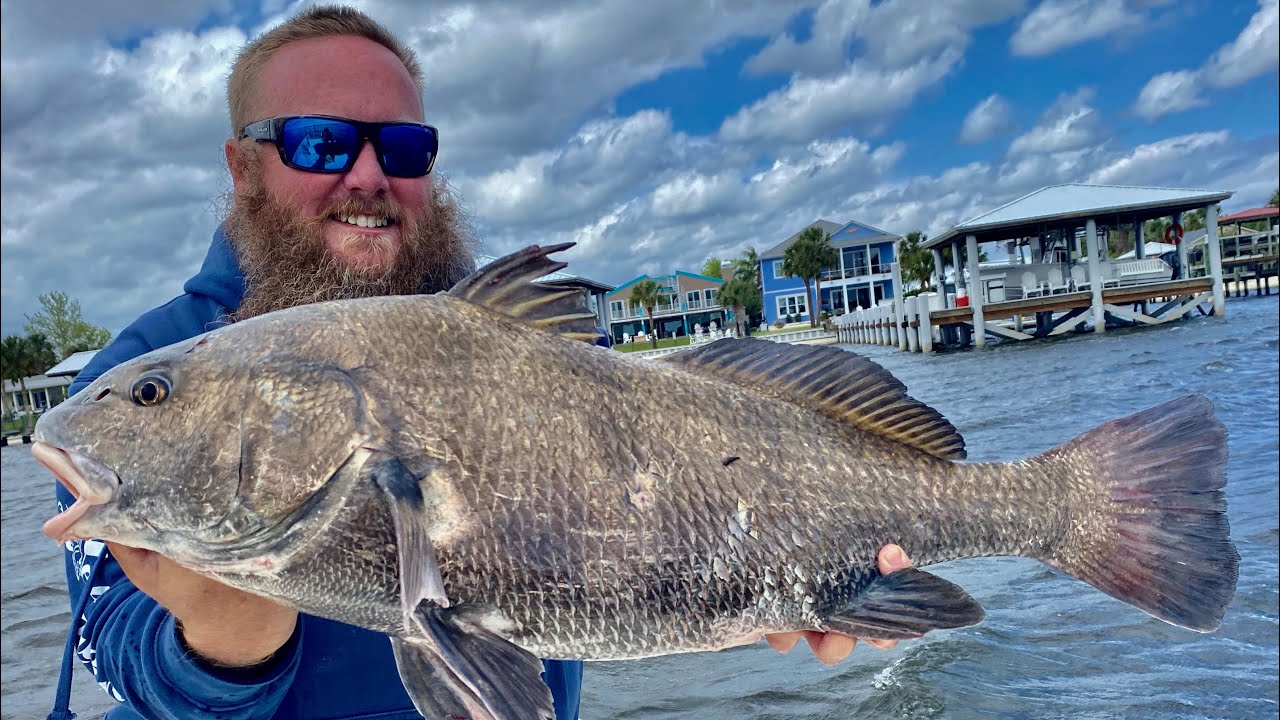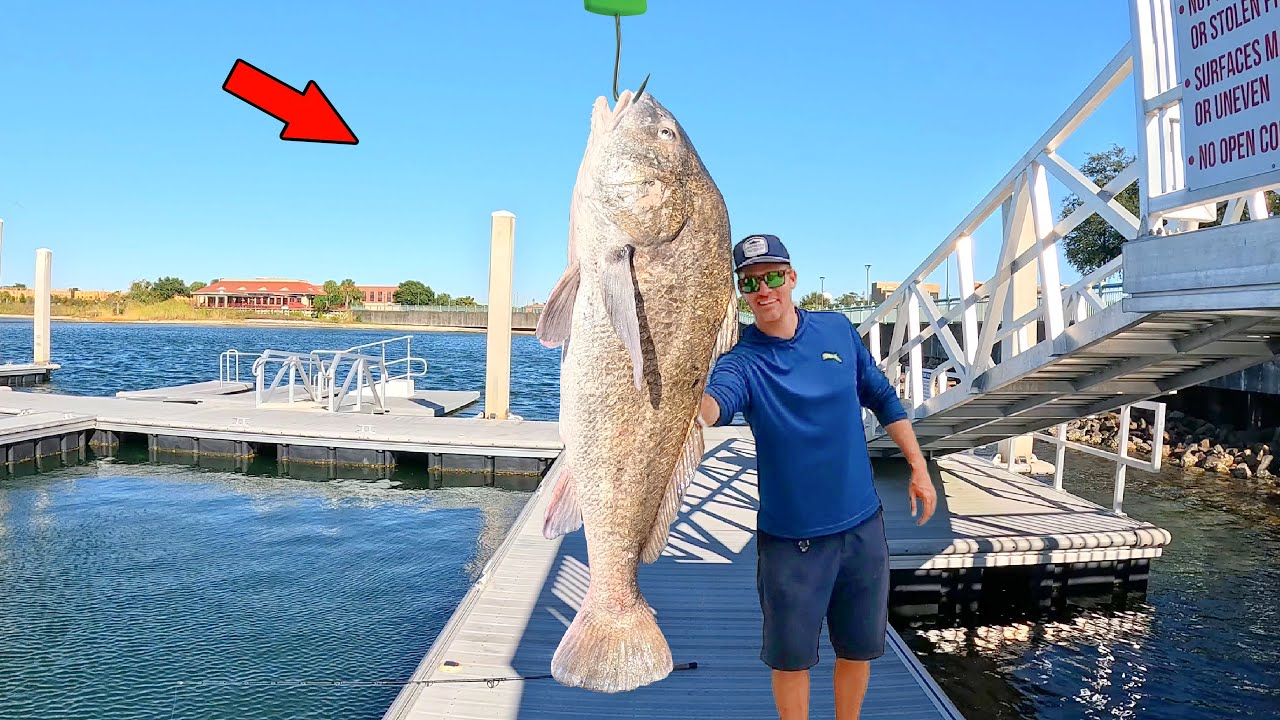
Black drum (Pogonias cromis) are the largest of the drum family, and Sarasota holds them year-round in two distinct classes: 1–8 lb slot fish on oyster bars, dock pilings, and flats, and 20–50 lb giants that gather at the bridges and passes to spawn each February through April. FWC’s 2026 statewide rule is a 14–24” slot, five fish per harvester per day, with one fish over 24” allowed inside that five. Slot fish are good eating; the big ones are coarse, often wormy, and should go back.
Everything about the fish points at hard structure. Black drum have no biting teeth — they carry crushing plates in the throat and a chin full of barbels that taste the bottom — so they live where shellfish live: barnacled pilings, rip-rap, oyster bars, seawalls, and bridge fenders. Find the hard edge and you have found the fish.
How do I know the fish I caught is a black drum — and not a sheepshead?
Juvenile black drum wear bold vertical black bars, which gets them called sheepshead at every Sarasota dock. Thirty seconds settles it:
| Feature | Black drum | Sheepshead |
|---|---|---|
| Chin | A beard of small barbels (whiskers) | No barbels |
| Teeth | None visible — crushing plates in the throat | Human-looking incisors up front |
| Body | Deeper, high-shouldered, arched back | Flatter, oval |
| Bars | 4–6 broad bars that fade with age (big adults are plain gray-black) | 5–7 crisp bars for life |
| Sound | Croaks/drums loudly when landed | Silent |
| Fins | Dusky gray | Sharper, heavily spined dorsal |
The chin barbels end the argument — FWC’s own key separates black drum from both sheepshead and redfish on that single feature. A big plain-gray fish croaking on the deck is a drum every time; the drumming muscle against the swim bladder is loud enough to feel through the hull. Redfish, the other cousin, carry a copper tone and tail spots and never have barbels. Biology background: FWC black drum profile and Mote Marine’s black drum encyclopedia entry. FWC puts the maximum length at 67 inches and the lifespan at 35 years or more; the Florida record is a 96 lb fish taken at Fernandina Beach in April 2001 (state saltwater records).

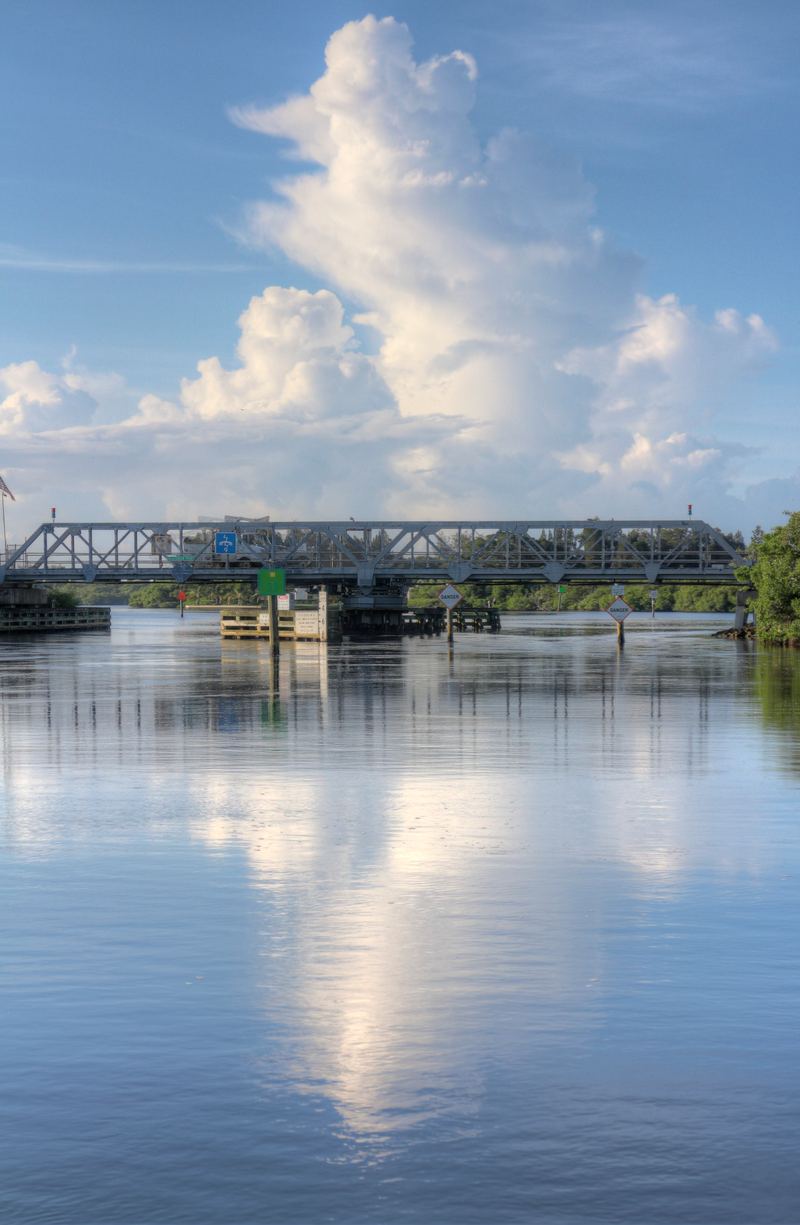
Drum feed tight to bridge pilings and fender timbers, out of the current.
Where do you catch black drum in Sarasota?
| Season | Pattern |
|---|---|
| Dec–Jan | Slot fish school on oyster bars and deeper dock lines; sight-fishing odds improve on clear negative low tides |
| Feb–Apr | The big-fish window. Spawning schools of 20–50 lb drum stage around bridge channels and passes — the deep fenders of the Ringling Causeway, Cortez Bridge, and Longboat Pass bridge, and the Venice jetties. You’ll hear them drumming on quiet evenings |
| May–Aug | Fish scatter to docks, seawalls, and bars; early and late bites beat the heat |
| Sep–Nov | Steady slot fishing on bars and creek mouths, mixed with the fall redfish schools |
Reliable structure: the oyster bars of Roberts Bay, Blackburn Bay, and Dona Bay; residential canal docks from Siesta to Nokomis; the Tony Saprito Pier pilings; Bird Key docks; and every bridge fender line from Cortez to the Albee Road bridge. Shore access is genuinely good — piers, bridges, and seawalls are exactly where drum live; see the piers and bridges guide and our Sarasota fishing spots map.
The passes work for the same reason the bridges do. Rock walls carry barnacles and mussels, the tide runs hard through the gap, and the scour hole at the base of the rocks is deeper than anything around it. Fish the down-current side, put the bait on the bottom, and let it sit.
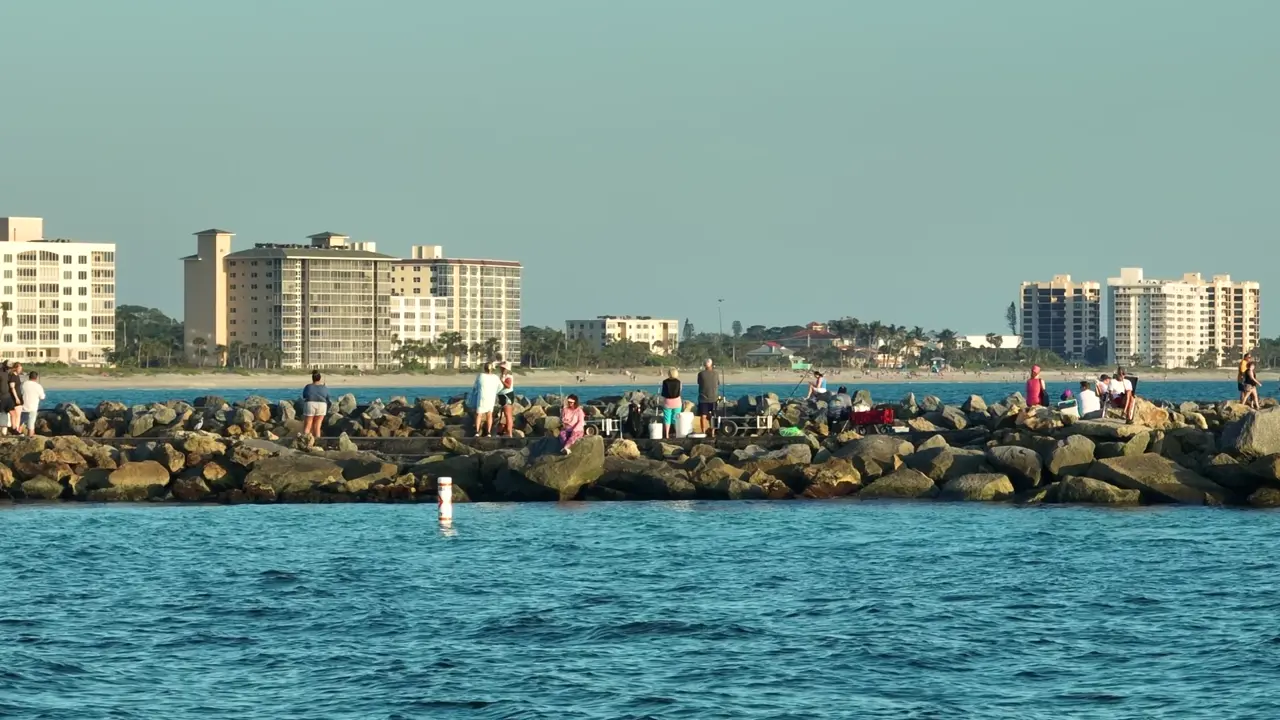
A rock wall in moving water is a drum spot you can walk out onto.
What’s the best bait for black drum?
Scent and patience. Black drum feed by feel and smell along the bottom — crushing crabs, clams, and shrimp with throat plates — so lures are a low-percentage game:
| Bait | Notes |
|---|---|
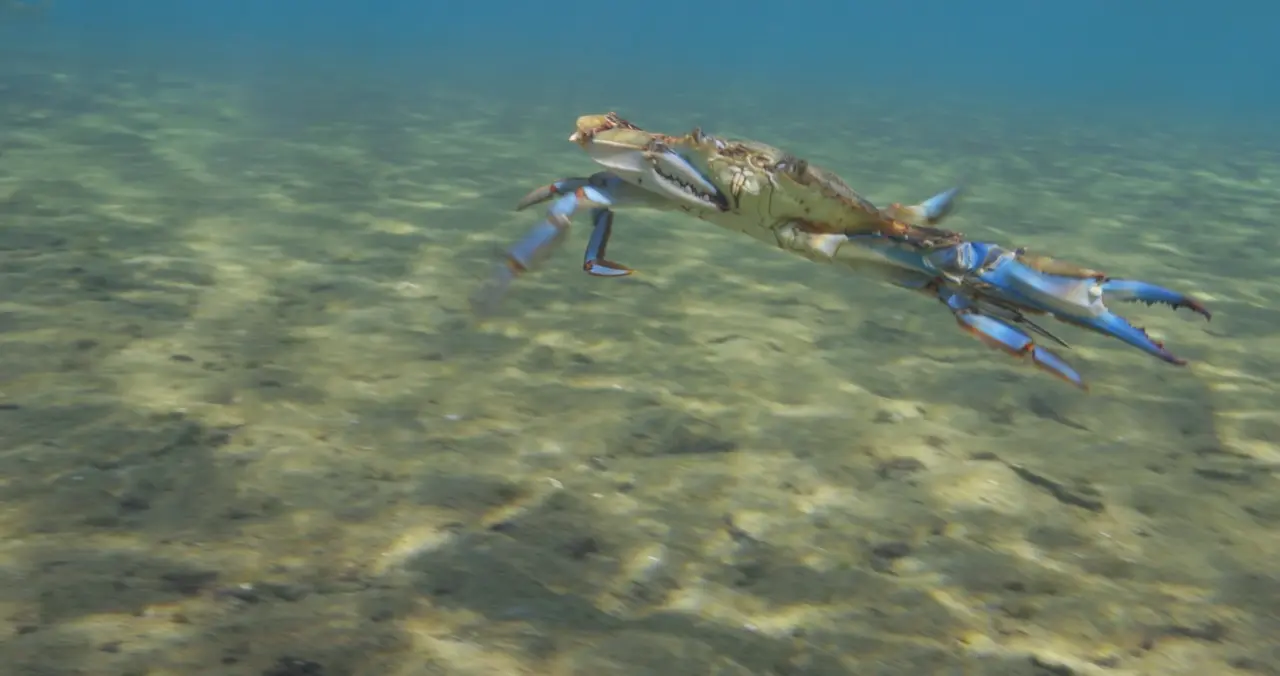
| Fresh-cut blue crab (half or quarter) | The big-fish standard at the bridges |
| Live or fresh-dead shrimp | Takes every size class; the slot-fish staple |
| Fiddler crabs | Doubles for sheepshead on the same pilings |
| Clams or oysters | Old-school and still deadly |
Rig simply: a knocker or fish-finder rig with just enough weight to hold bottom — 1/2 oz around docks, 2–3 oz in bridge current — a 1/0–3/0 circle hook for slot fish, 5/0–7/0 for the spawners, and 30–60 lb fluorocarbon leader. Drop tight to the piling, keep the rod still, and wait: the bite is a slow, heavy lean, not a strike. Reel tight and let the circle hook work.
Tackle for the giants means a 5000–6000 reel and 30–40 lb braid; a 40 lb drum in bridge current is a 20-minute argument, and most of it is spent keeping the fish off the barnacles. The method is bread-and-butter bottom fishing with live bait; on winter low tides, tailing slot drum on shallow bars offer honest sight-fishing shots with a shrimp-tipped jig or crab fly.

Big drum move up onto the pilings as the light goes off the water.
Are black drum good to eat?
Depends entirely on size, and this is the fish where the slot and the skillet line up perfectly:
- Slot fish (14–24”) — good, honest table fare: firm, mild, white fillets close to redfish. Blackened, grilled, or in a Gulf-style court-bouillon.
- Over 24” — quality drops fast. The flesh coarsens, and big drum commonly carry spaghetti worms (harmless to humans but unappetizing). Locals release everything over the slot on principle: those are the breeding fish, and FWC says the species can live 35 years or more.
Ice fish immediately, fillet out the bloodline, and cook fresh. Restaurants that cook your catch are listed in our eat your catch guide.
What are the 2026 black drum regulations in Florida?
| Item | 2026 rule |
|---|---|
| Slot | 14–24” total length |
| Over-slot allowance | 1 fish over 24” per harvester, counted in the bag |
| Bag limit | 5 per harvester per day |
| Vessel limit | None listed by FWC — the bag is per harvester |
| Season | Open year-round, statewide |
| Gear | Hook and line, cast net, seine, spear/gig; multiple hooks with live or dead natural bait prohibited; snatching prohibited |
Source: FWC black drum regulations; pocket version on the FWC quick chart. Separate rules apply inside Biscayne National Park, which does not affect this coast. A Florida saltwater license is required — free shore-based version available for residents at GoOutdoorsFlorida.com. Verify current rules before you fish.
FAQ
What’s the difference between a black drum and a sheepshead? Chin barbels. Black drum have a whiskered chin and crushing plates in the throat; sheepshead have bare chins and front incisor teeth. Both wear black bars when small.
How many black drum can you keep in Florida? Five per harvester per day in a 14–24” slot, and one of the five may be over 24”. Open year-round, and FWC lists no vessel limit.
Are big black drum good to eat? No — over about 24” the meat turns coarse and often carries harmless-but-ugly spaghetti worms. Keep slot fish, release the giants.
Where can I catch black drum from shore in Sarasota? Tony Saprito Pier, the Venice jetties, bridge catwalks, and canal seawalls — a shrimp on bottom tight to any piling is the whole program.
What is the croaking sound my fish made? Drumming — the fish vibrates muscles against its swim bladder. It’s the family signature and the fastest confirmation you caught a drum.
How big do black drum get? FWC puts the maximum length at 67 inches. The Florida record is 96 lb, caught at Fernandina Beach in 2001; a 40–50 lb fish is a realistic Sarasota bridge fish in spring.
Related reading
Black drum share every piling with sheepshead — same baits, same tides, February peak for both — and every oyster bar with redfish, which the slot fish resemble on the table. The bridge fenders that hold spring giants hold mangrove snapper all summer, and the winter negative lows that expose tailing drum are the same tides in our redfish sight-fishing program.