Boca Grande Tarpon Fishing
Including Boca Grande, Gasparilla Island, Placida.
Boca Grande Tarpon Fishing: Pass Season, Rules & Access (2026)
At a Glance.
Boca Grande · Gasparilla Island · Placida
Notable Spots.
The named water our captains fish around Boca Grande Tarpon Fishing: Pass Season, Rules & Access (2026) — passes, flats, reefs, and structure that hold fish season after season.
- Boca Grande Pass (the Hole)
- Lighthouse Point beach
- Gasparilla Island beachfront
- Cayo Costa State Park
- Gasparilla Sound
Boat Ramps.
Public ramps in and around Boca Grande Tarpon Fishing: Pass Season, Rules & Access (2026). Most charters meet you at a dock — but if you're trailering, these are the launches to know.
Boca Grande Causeway at Gasparilla Rd, Placida 33946
3 lanes, courtesy docks, ~75 trailer spots; Charlotte County facility with paid parking — bring change for the kiosk
6301 Boca Grande Causeway, Placida
Private marina launch with bait; fee applies, call ahead
Signature Species.
The fish Boca Grande Tarpon Fishing: Pass Season, Rules & Access (2026) is known for. Tap a species for the full guide — season, tackle, technique, and regulations.
Fishing Boca Grande Tarpon Fishing: Pass Season, Rules & Access (2026),
Explained.
Boca Grande Pass is the deepest natural inlet on Florida’s Gulf coast — about 80 feet in the Hole — and every May and June it concentrates more adult tarpon than anywhere else on earth. That’s the entire pitch: the “Tarpon Capital of the World” title is not marketing, it’s bathymetry. Outgoing tide, May–June, the fleet drifting the Hole — that’s the show.
Charlotte Harbor is an enormous estuary with one deep way out to the Gulf, and this is it. Everything the harbor dumps on a falling tide funnels over that 80-foot bottom, and the fish that eat it stack up where the funnel is narrowest. The town sits on Gasparilla Island; the mainland side of the causeway is Placida, which is where the trailer boats launch and where the bait comes from.
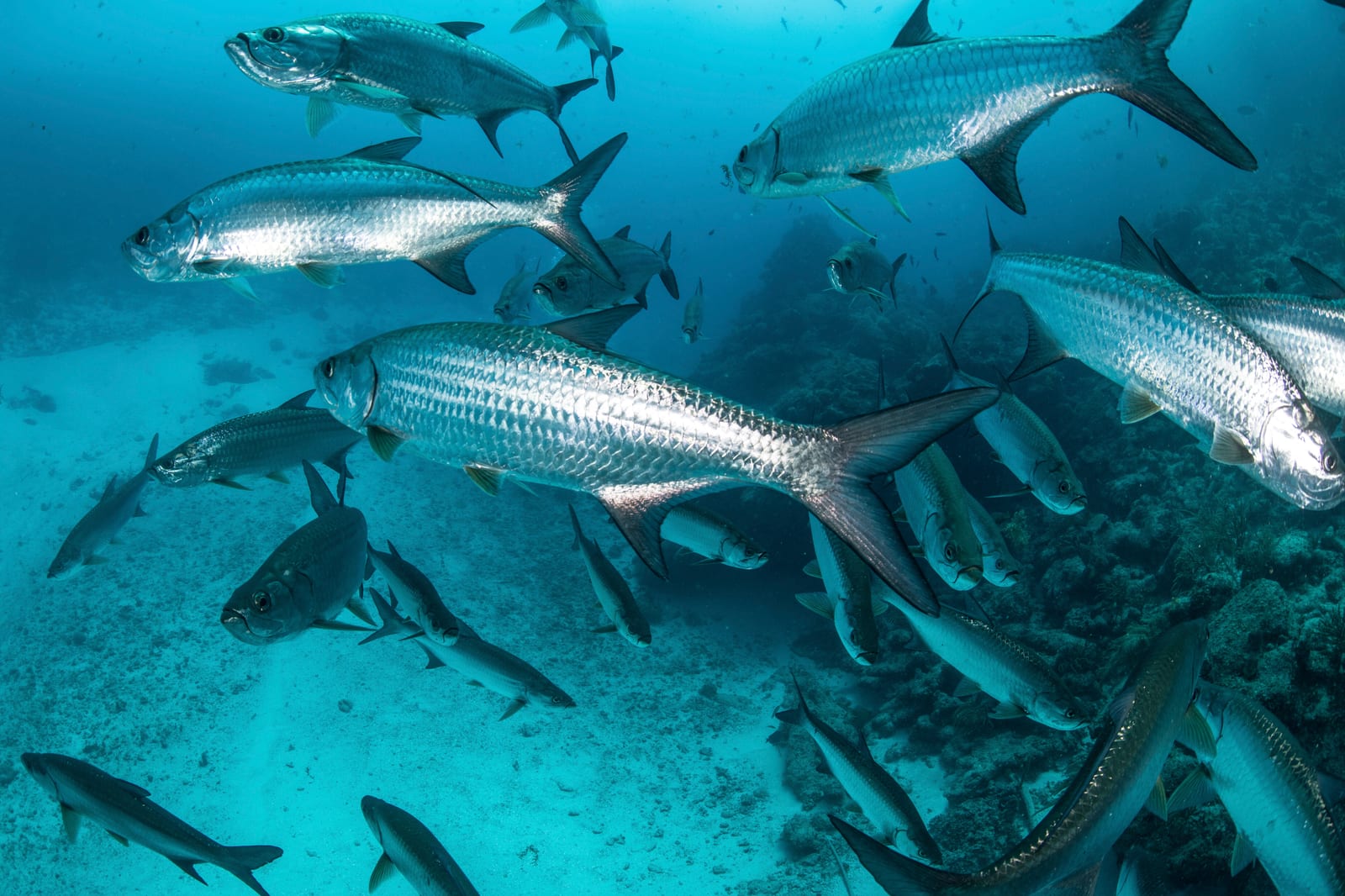
The Hole runs 80 feet deep, and the fish stack in it May and June.
When is tarpon season at Boca Grande?
The pass fishes from late April into July, and peaks May through June on outgoing tides. Charlotte Harbor drains through this one cut between Gasparilla Island and Cayo Costa, and the tide flushes crabs and baitfish through the deep Hole where staged schools of 60–150 lb tarpon sit and eat. The classic program is drifting live crabs or baitfish at depth with the fleet; beach fish also run the Gasparilla Island shoreline at first light, which is where shore and fly anglers get their shots.
| Month | What’s happening |
|---|---|
| April | First pushes arrive; beach fish showing |
| May | Peak numbers building; the Hole fills up |
| June | Peak — outgoing tides, hill tides around the full/new moon are the famous crab flushes |
| July | Fish thinning, spawning offshore; early mornings still produce |
The moon matters more here than the calendar week. A hill tide — the hard-running outgoing water around the new and full moon — is when the crab flush happens, and it is the tide the fleet plans its month around. Pick the moon first and the dates second.
Full species rundown on our tarpon page. Great hammerheads follow the tarpon into the pass — hooked fish get eaten, which is part of why the release rules below exist.
What are the special rules in Boca Grande Pass?
Boca Grande Pass carries its own FWC gear and handling rules on top of the statewide tarpon regulations:
- Tarpon are catch-and-release only statewide; a tarpon over 40 inches must stay in the water — no dragging fish over the gunwale for photos.
- A single tarpon tag exists only for pursuit of an IGFA world record.
- Bottom-weighted “jig” gear is restricted in the pass itself — the breakaway-jig snagging technique is banned.
The practical version: decide how the fish gets released before it is at the boat. One person on the leader, the fish alongside and swimming, camera ready — then cut the leader close and let go. None of that changes when the fish is under 40 inches; it is simply how a fish that just fought in 80 feet of moving water survives being let go.
State the obvious: rules text changes. Read the current version at FWC’s tarpon regulations and verify current rules before you fish.
How do I get on the water at Boca Grande?
There is no free public ramp on Gasparilla Island itself — access runs through Placida, on the mainland side of the causeway.
| Facility | Address | Notes |
|---|---|---|
| Placida Park Boat Ramp | Boca Grande Causeway at Gasparilla Rd, Placida 33946 | 3 lanes, courtesy docks, ~75 trailer spots; Charlotte County, paid parking |
| Eldred’s Marina | 6301 Boca Grande Causeway, Placida | Private launch + bait; fee, call ahead |
| Boca Grande Causeway | Toll bridge onto the island | Car toll roughly $6 — confirm the current rate before you go |
From Placida it’s a short run down Gasparilla Sound to the pass — inside water the whole way, not an open-Gulf crossing, which is why boats trailering from up the coast drive to Placida rather than run the beach. The Charlotte County fishing and ramp directory has the county facilities, and our boat ramp guide covers the coast-wide options.
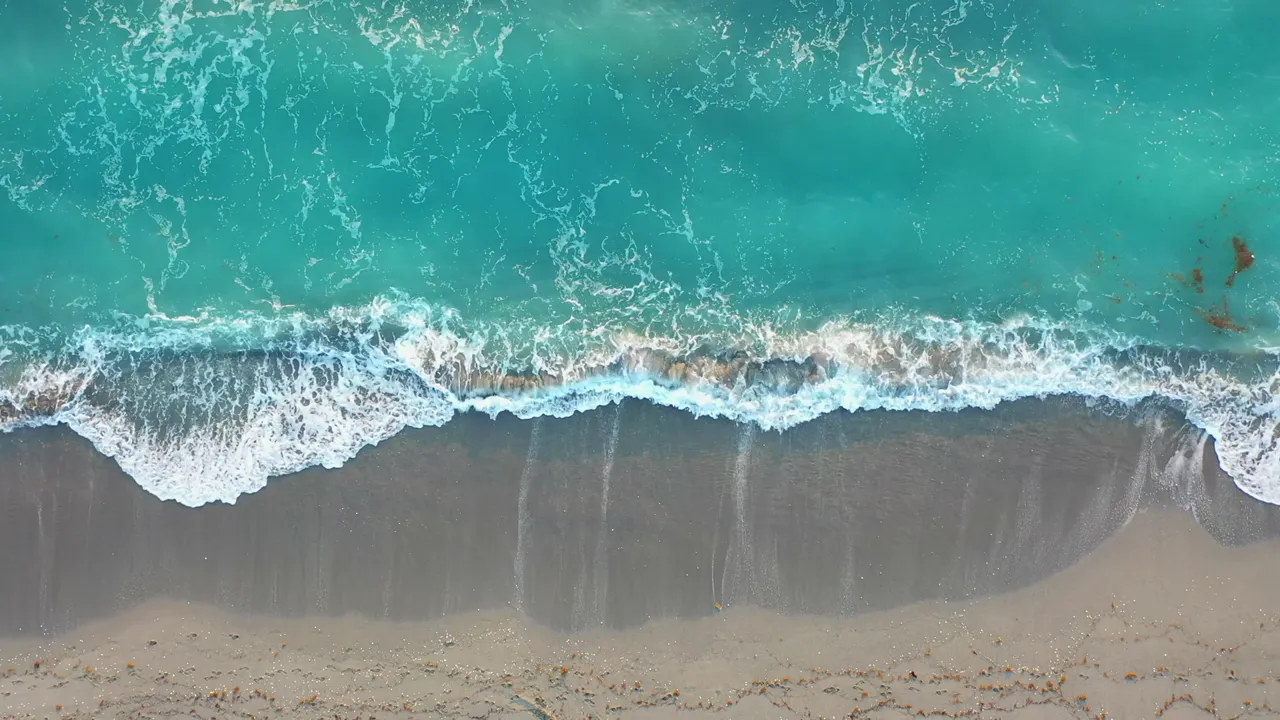
Snook hold the beach trough here year round.
Can I fish Boca Grande from shore?
Yes — better than most famous fisheries. Lighthouse Point beach at Gasparilla Island State Park fronts the pass itself; the 1890 Port Boca Grande Lighthouse (oldest structure on the island) sits right behind the beach. Shore anglers take snook in the trough year-round and get legitimate shots at beach tarpon in season.
The beach game is a first-light game. Walk the sand facing the Gulf, find the darker slot of the trough inside the first bar, and work it before the sun gets high — that trough is where the snook sit and it is close enough to reach with a light spinning rod. In May and June the same walk puts you within casting range of tarpon rolling down the beach, which is the cheapest shot at a hundred-pound fish in the state.
The Boca Grande Fishing Pier, 5810 Gasparilla Rd in Placida, fishes Gasparilla Sound from the causeway side — snapper, sheepshead, trout, and the occasional pass stray. Across the pass, Cayo Costa State Park is boat-only barrier island: empty surf, snook, and pompano for anyone willing to make the run.
What else swims here besides tarpon?
Snook on every beach trough and mangrove edge, goliath grouper in the pass (catch-and-release, they’ll eat a hooked tarpon’s head), big sharks — including the great hammerheads that shadow the tarpon schools — and king mackerel just offshore in spring and fall.
Winter turns Gasparilla Sound into redfish and trout water, and the causeway and pier structure loads up with sheepshead once the water cools. Same chart, completely different fishery: light tackle, protected water, and nobody in it. See snook and redfish for the patterns.
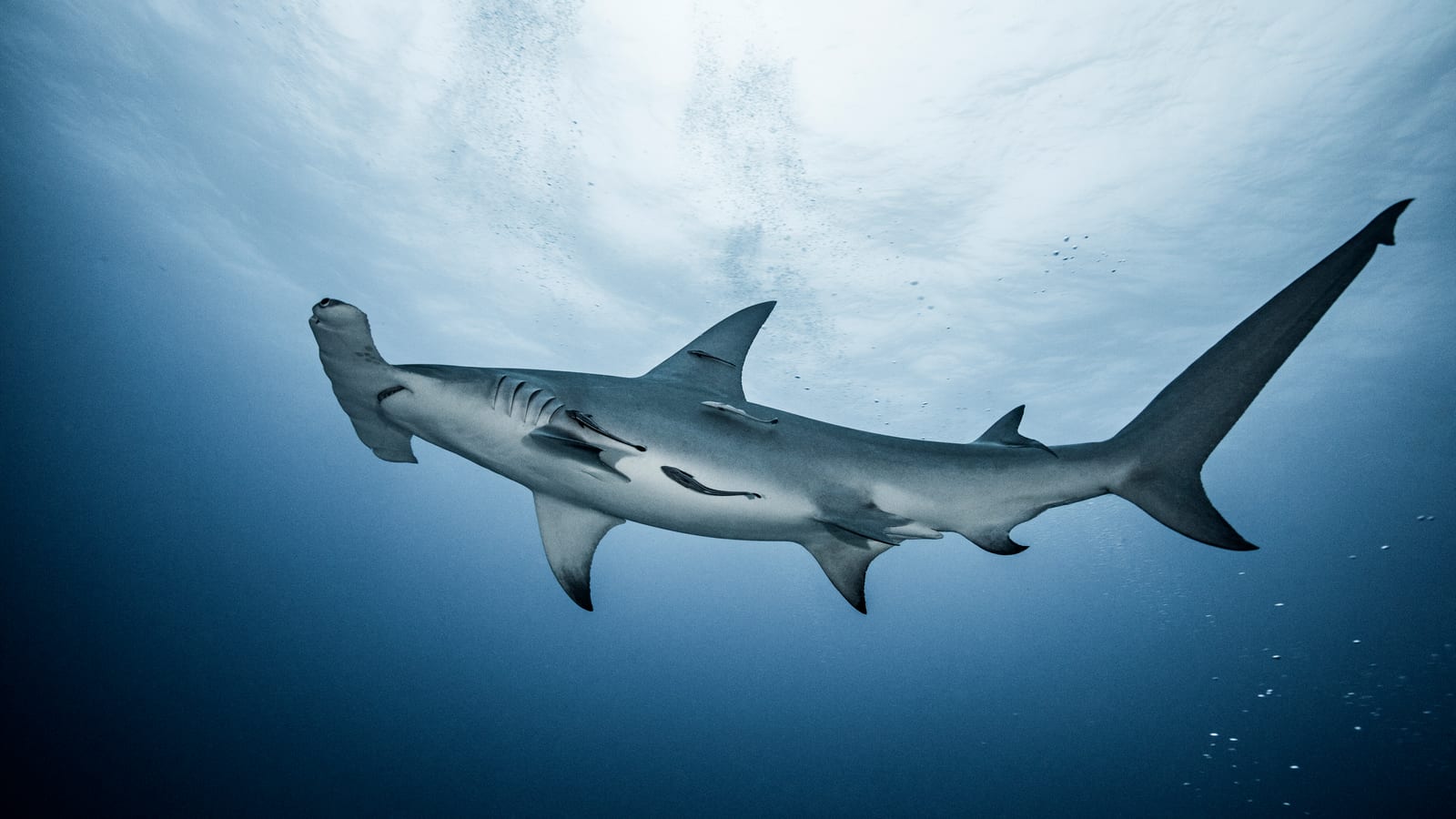
A short fight is what keeps a tarpon away from the hammerheads.
How is the pass actually fished?
Two schools coexist in the Hole, and etiquette between them is its own institution:
- Live-bait drifting — the traditional Boca Grande method. Boats set up at the up-tide edge of the pass, drop live crabs or threadfin/squirrelfish baits to the depth the fish are marking (often 20–50 feet over the 80-foot bottom), and drift through with the fleet, then run back and reset. On a hill tide the drift line can be dozens of boats moving in rotation — hold your lane, don’t cut the drift, and keep hooked fish moving out of the stack.
- Beach and edge fishing — outside the fleet entirely. Schools of tarpon daisy-chain along the Gulf side of Gasparilla Island and Cayo Costa at first light; anglers pole or trolling-motor ahead of a school’s line and present a crab, fly, or swimbait across its path. Quieter, more visual, and how most fly tackle gets it done here.
Tackle is heavy for a reason: 60–80 lb leader, 5/0–7/0 circle hooks, and rods with lifting power — a fight measured in minutes instead of hours releases a fish the hammerheads don’t get. Bow to every jump, keep big fish in the water at the boat, and cut the leader close rather than lifting a giant for photos; it’s both the law over 40 inches and the right call under it.
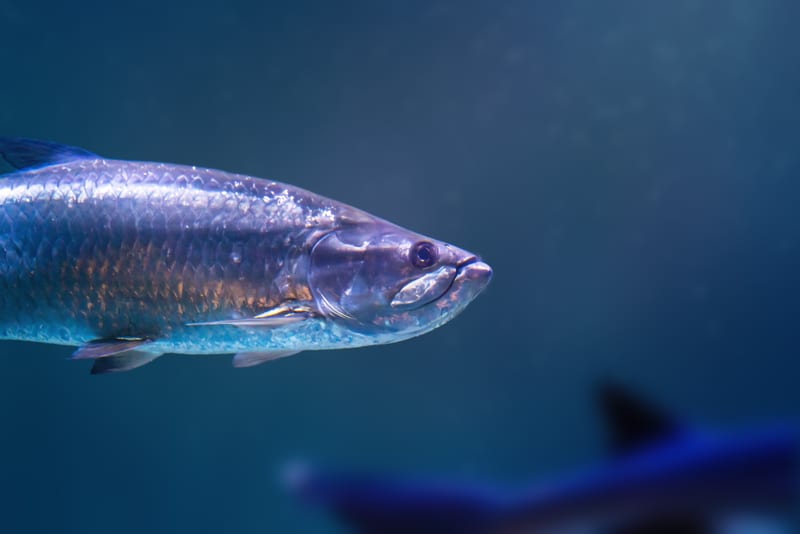
Where do I get bait near Boca Grande?
Whidden’s Marina, 190 1st St E — family-run on the island since 1926, bait and tackle, open seven days. Eldred’s Marina covers the Placida side, and Fisherman’s Edge in Grove City is the full-service tackle stop en route from the north.
Live crabs before a hill tide sell out — buy early. That is the most ordinary way a Boca Grande morning goes wrong: the tide is right, the fleet is already drifting, and there is no bait left on the island. Call ahead the day before, and carry a threadfin or squirrelfish plan as the backup.
Where do you tie up to eat and refuel on Boca Grande?
Boca Grande Marina is the boat-up hub — Eagle Grille upstairs and Miller’s Dockside on the water, with fuel and slips at the docks. The Pink Elephant is the island institution. More fuel, slips, and dry storage at Uncle Henry’s Marina, The Innlet, and, up the coast at Placida, Gasparilla Marina. In tarpon season the island runs on a fishing clock rather than a lunch clock — boats out before light, back in mid-morning, and out again for the evening tide.
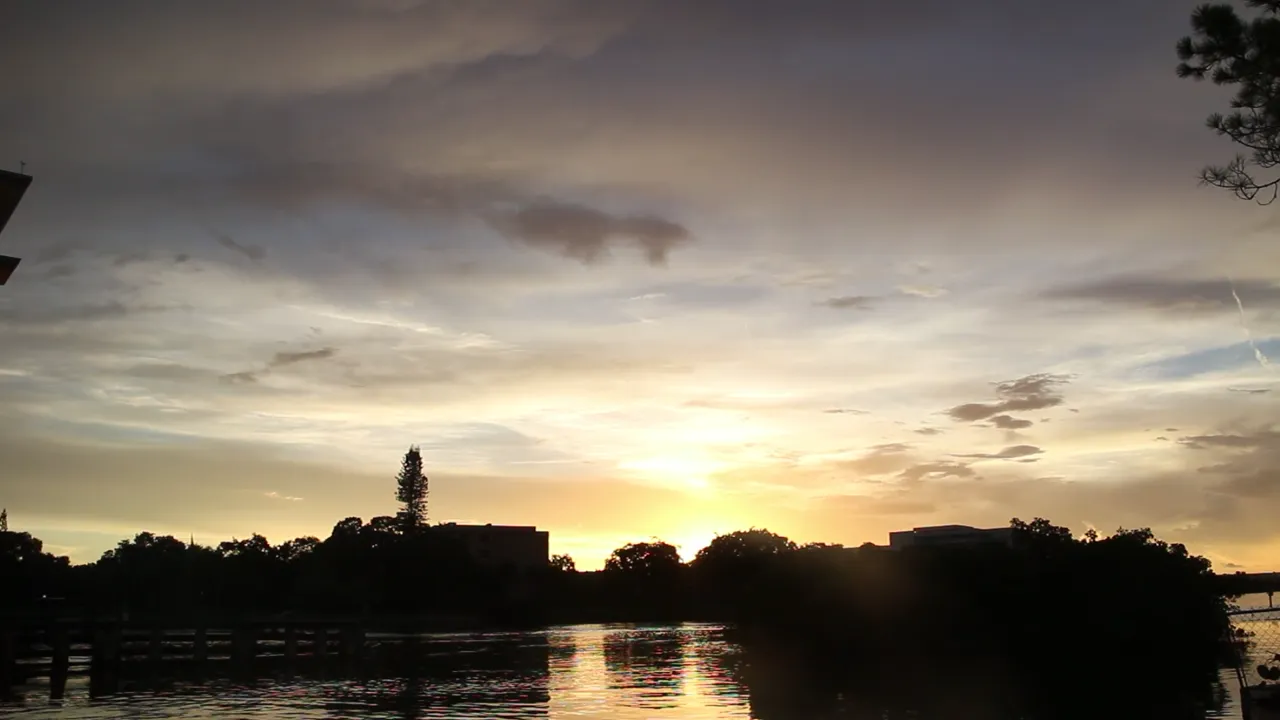
Hill tides on the new and full moon are the ones to book.
FAQ
When exactly should I book for Boca Grande tarpon? Mid-May through mid-June, and prioritize outgoing tides — the biggest are the “hill tides” around new and full moons. Book months ahead; the pass fleet’s calendar fills first.
Can you keep a tarpon at Boca Grande? No. Tarpon are catch-and-release statewide, and fish over 40 inches must remain in the water. One tag exists solely for IGFA record attempts — see FWC.
Is Boca Grande worth it outside tarpon season? Yes — winter sheepshead and redfish in the sound, year-round beach snook, and empty water. The circus leaves in July; the fishery doesn’t.
How crowded does the pass get? On a hill tide in June the drift line can be dozens of boats deep, moving in rotation. That is the fishery, not a flaw in it — but if crowds are the dealbreaker, fish the beach schools outside the pass instead.
How far is Boca Grande from Sarasota? About 38 miles by water from the Sarasota home dock — a full-day-trip run. Most trailer boats launch at Placida instead.
Can I fish the pass without a guide? Legally, yes — practically, spend your first hill tide watching the fleet before joining it. The drift rotation, the depth the fish are holding, and the unwritten right-of-way rules are all learnable, but a botched drift through forty boats earns commentary you’ll remember. First-timers do better starting on the beach schools outside the pass.
What happens to the tarpon in July? They thin out to spawn offshore, then trickle back through the region’s beaches and bays into fall. The harbor behind the pass holds resident fish in its deep channels essentially year-round — see the Charlotte Harbor guide.
Related
The migration that ends here starts up the coast — tarpon stage through Englewood’s Stump Pass, the Venice Inlet, and the Siesta Key passes on the way. Behind the pass, Charlotte Harbor holds the redfish flats, and Bokeelia / Pine Island Sound sits across the pass to the south. Species detail: tarpon.
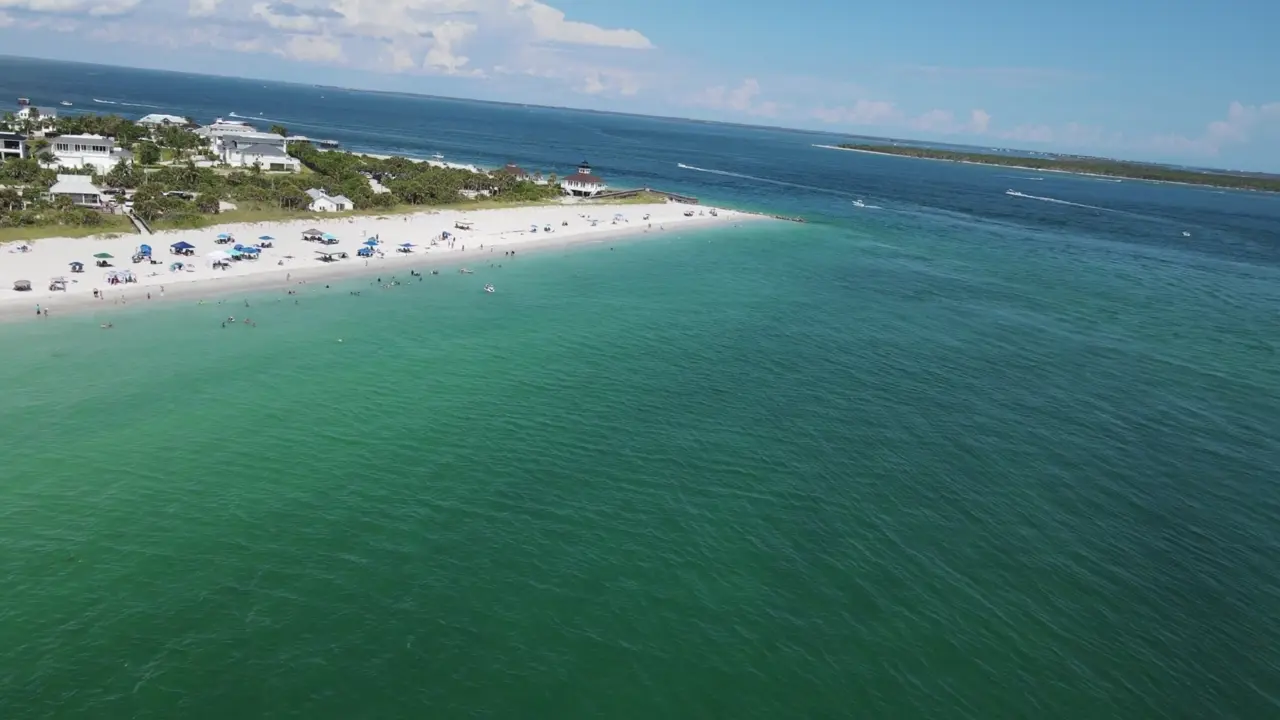
The Tarpon Capital of the World.
Boca Grande Tarpon on Video
14 public videos from 12 channels, sorted by subject. Nothing plays until you click it.
Fishing Boca Grande
5Boca Grande Pass and the beaches — the Tarpon Capital of the World, plus grouper, kingfish, and permit.

TARPON FISHING IN BOCA GRANDE | SON OF A BOY DAD FISH WEEK

Boca Grande Fishing Videos for Grouper Kingfish and Permit

Boca Grande Fishing for Tarpon Fish on the Beach

Fishing for Tarpon in Boca Grande Pass Bumper Boat Style! The Sharks are Ferocious!

Saltwater Fishing Road Trip to Boca Grande, Florida
Guides & Charters
4Captains working the Pass and the flats — light-tackle tarpon and the local guide's-eye view.
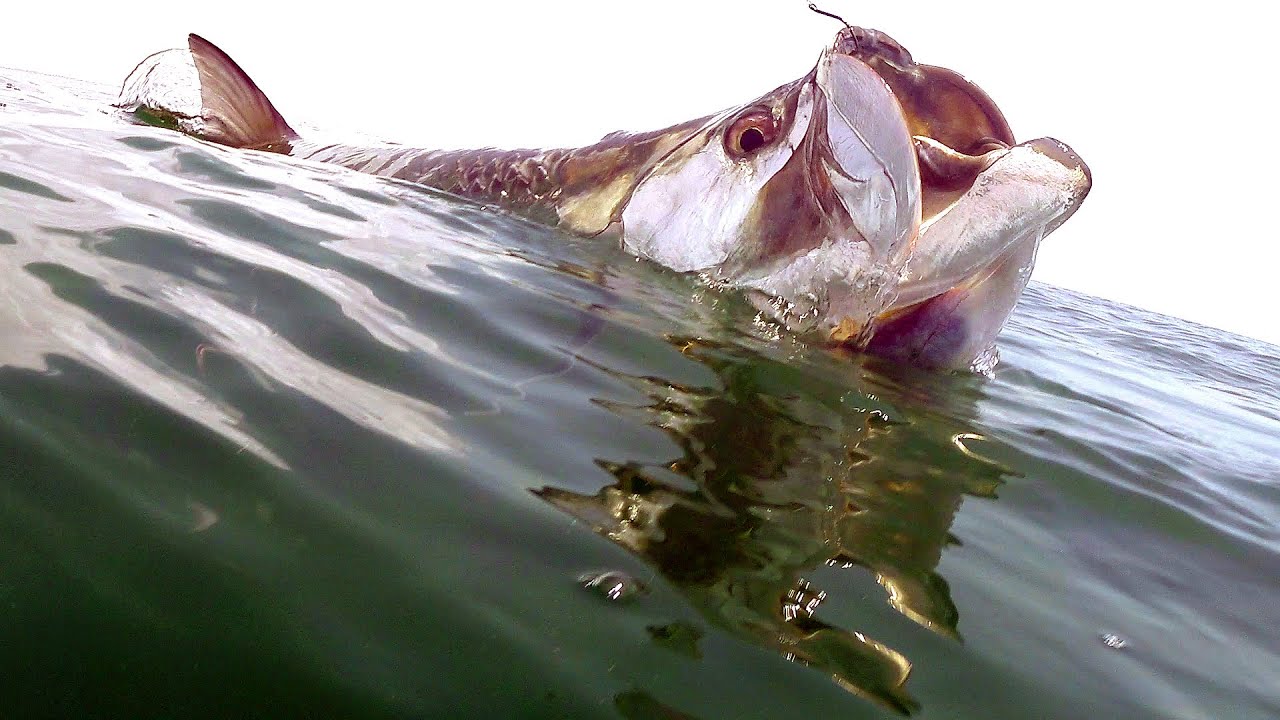
Boca Grande Tarpon Fishing Light Tackle Florida Fun

Tarpon Fishing the World Famous Boca Grande Pass!!!
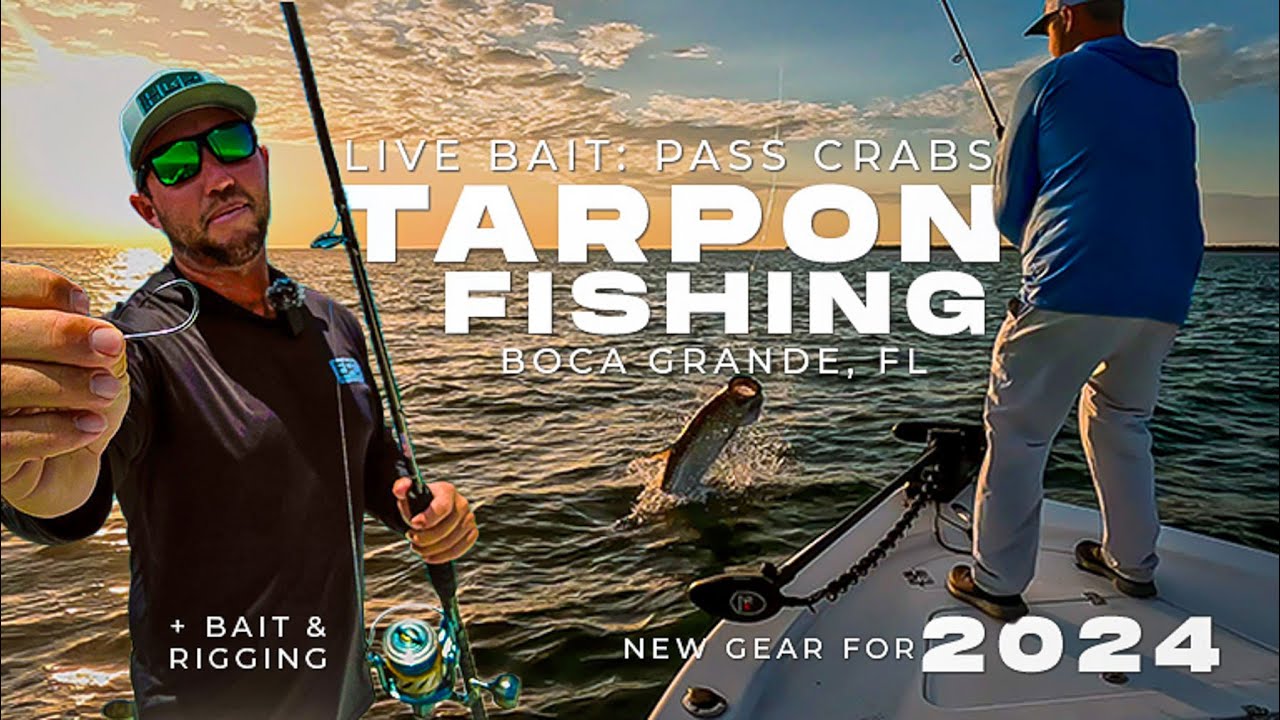
Catching Tarpon with Crab in Boca Grande! The Silver King Capital of the World New Fishing Gear 2024

The Other Side of Boca Grande
The Island & Its History
5Gasparilla Island's history, the famous sandbar, and the beach town itself.
Boca Grande, Florida: Island Jewel | Untold Stories | Florida History

Should BOCA GRANDE be on Your Florida Travel List? | Boca Grande Beach Guide

Gasparilla Island Sandbar - Clear Blue Paradise! Secret to free parking & kayak launch!

GASPARILLA ISLAND FLORIDA by BOAT! | Explore this Historical Paradise Island with us! | EP6

Boating to the Famous Boca Grande Sandbar | Navigation, History & Facts