Bonnetheads are the small, shovel-headed hammerheads working Sarasota Bay’s grass flats from May through October, hunting blue crabs and shrimp in 2–6 ft of water. A live shrimp or a half blue crab on a 1/0–2/0 circle hook, drifted across the Middle Grounds or the Bulkhead grass, is the whole program. They run 2–3.5 ft, pull like fish twice their size on trout tackle, and they are the most beginner-friendly shark in the bay.
What is a bonnethead shark?
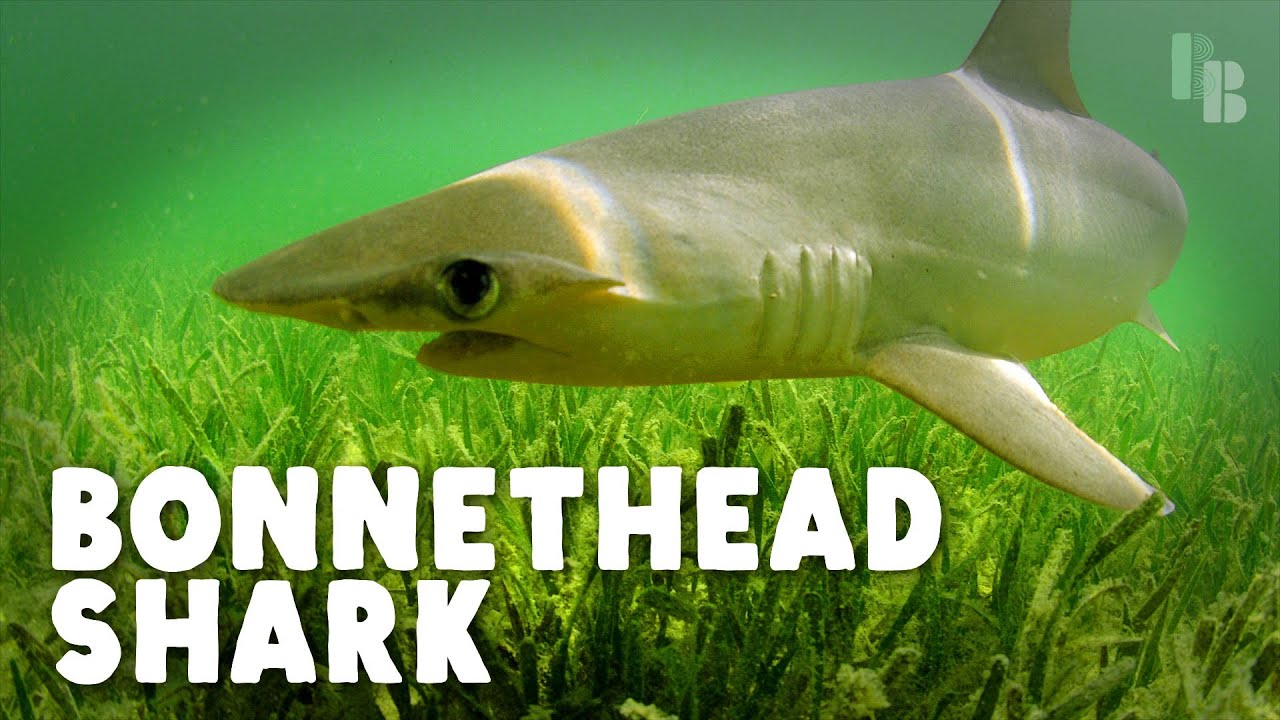
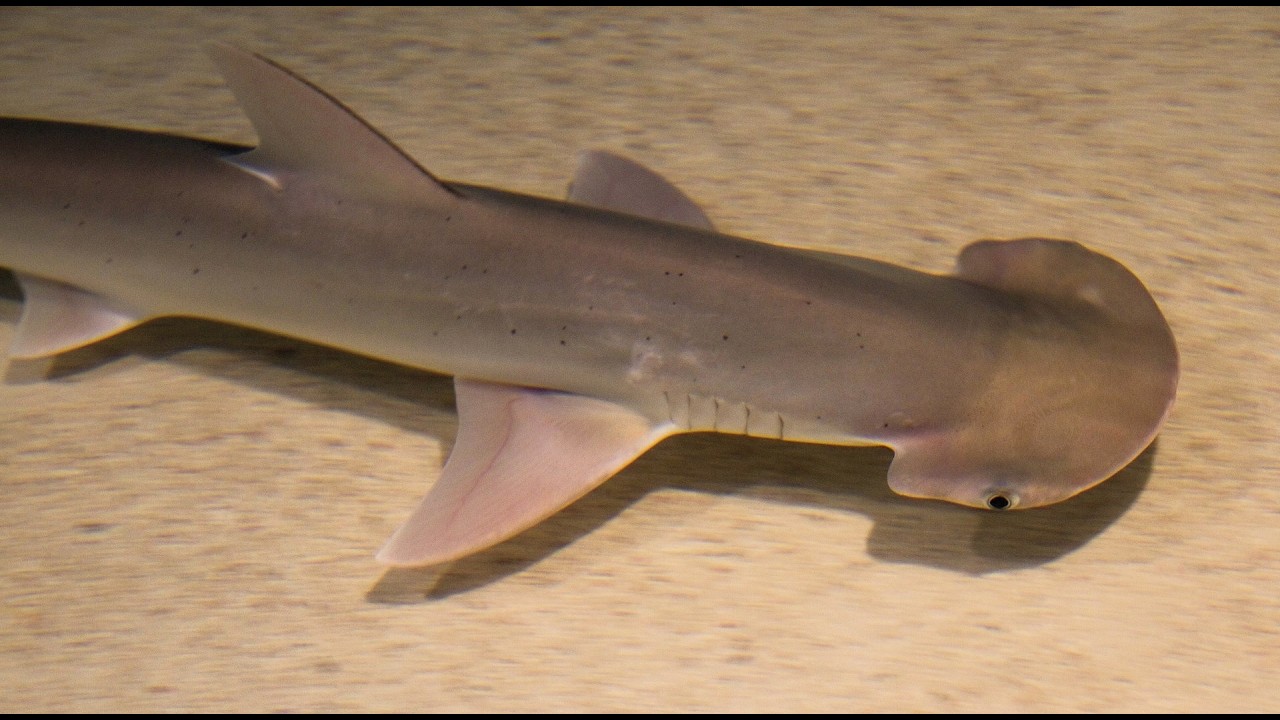
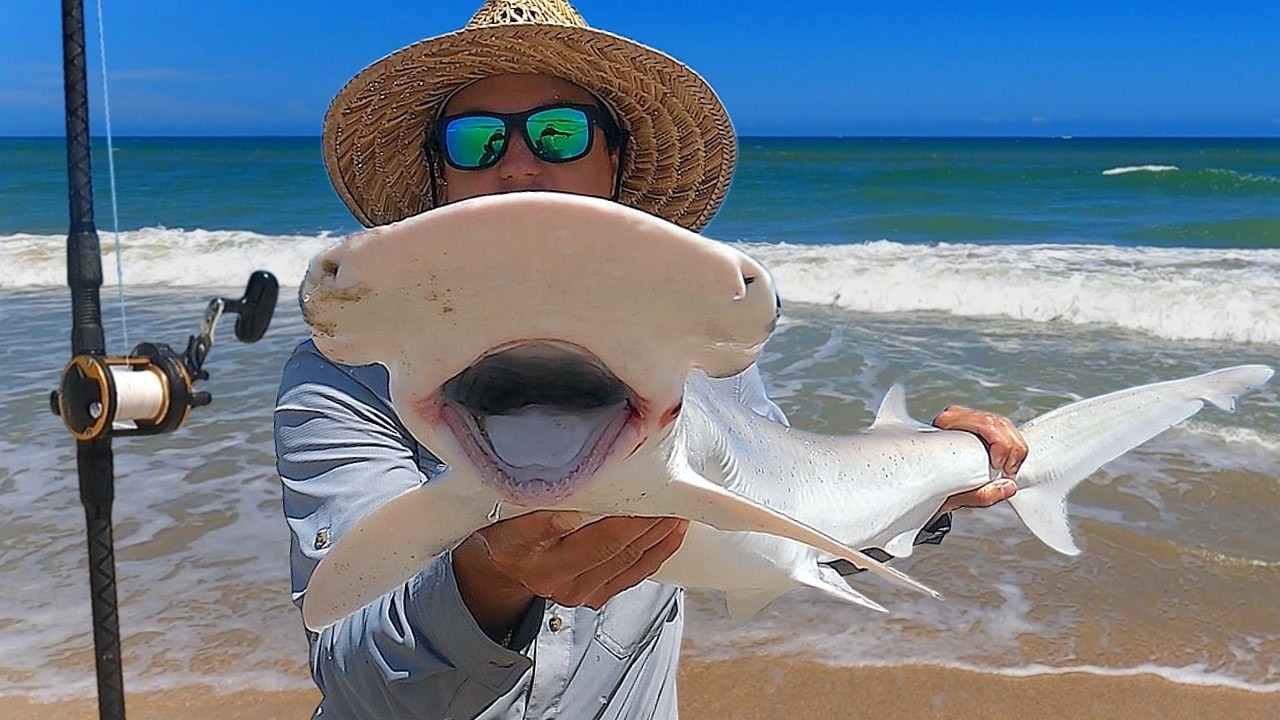
The bonnethead (Sphyrna tiburo) is the smallest member of the hammerhead family. Instead of the wide, notched hammer of its big cousins, it carries a smooth, rounded shovel of a head — the local nickname “shovelhead” is accurate. Typical Sarasota fish run 2–3.5 ft; anything past 4 ft is large for the species.
They eat what the flats grow: blue crabs first, then shrimp, small fish, and mollusks crushed with flat rear teeth. Researchers netting Sarasota Bay have documented bonnetheads alongside blacktips, including pregnant females and newborns — the bay functions as a nursery for both species (Sarasota Magazine on Mote’s shark tagging in Sarasota Bay). Mote Marine Laboratory, based on City Island in Sarasota, has run shark research programs here for decades.
When do bonnetheads show up in Sarasota?
Water temperature drives it. Bonnetheads flood the bay flats as water climbs through the mid-70s and stay until the first real fronts of fall.
| Month | What to expect |
|---|---|
| January–March | Scattered fish in deeper bay channels and the coastal gulf; slow |
| April | First push onto the flats as water warms past ~75°F |
| May–August | Peak — grass flats bay-wide, sandbar edges, passes; steady all day |
| September–October | Strong — fish feed hard on the fall crab and shrimp flush |
| November–December | Tapering; fish slide to channels and the gulf with the first cold fronts |
The summer months when snook are closed to harvest and the midday seatrout bite goes quiet are exactly when bonnetheads are thickest — they are the reliable middle-of-the-day fish of a Sarasota summer.
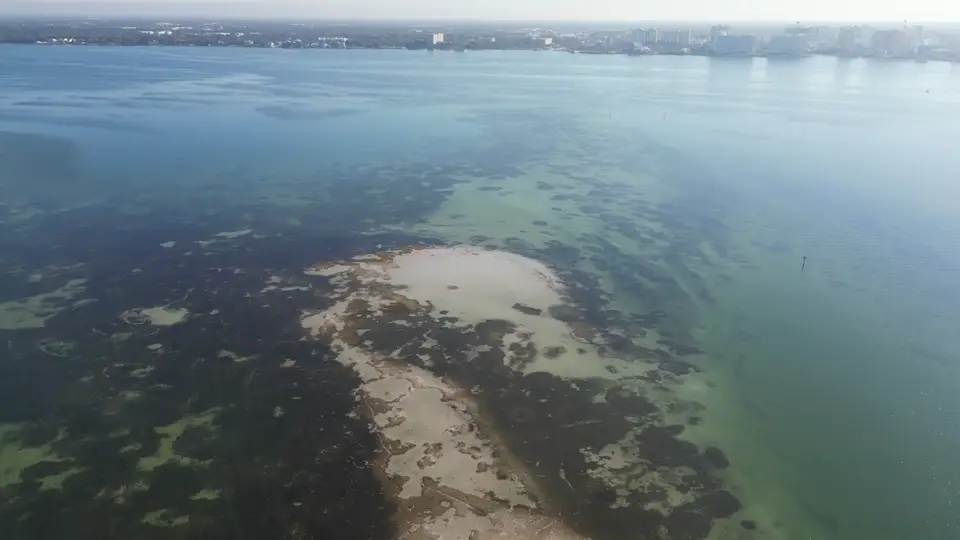
Everything a bonnethead eats lives in the seagrass.
Where can I catch bonnethead sharks in Sarasota?
- Deep grass flats of Sarasota Bay — the Middle Grounds, Radio Tower area flats, and the grass off Ken Thompson Park in 4–8 ft. Drift and soak baits exactly as you would for trout.
- Sandbar edges and pothole flats — the Bulkhead in north Sarasota Bay, Palma Sola Bay, and the bars inside Longboat Pass. On clear, calm days you can sight-fish singles and pairs pushing water — same game as sight fishing for redfish.
- Passes and pass bars — Big Sarasota Pass and New Pass bar edges on moving tide.
- From shore — the Ringling Causeway area, Ken Thompson Park shorelines, and the Venice jetties all produce. Shore-based shark fishing carries its own FWC permit rules — covered below.
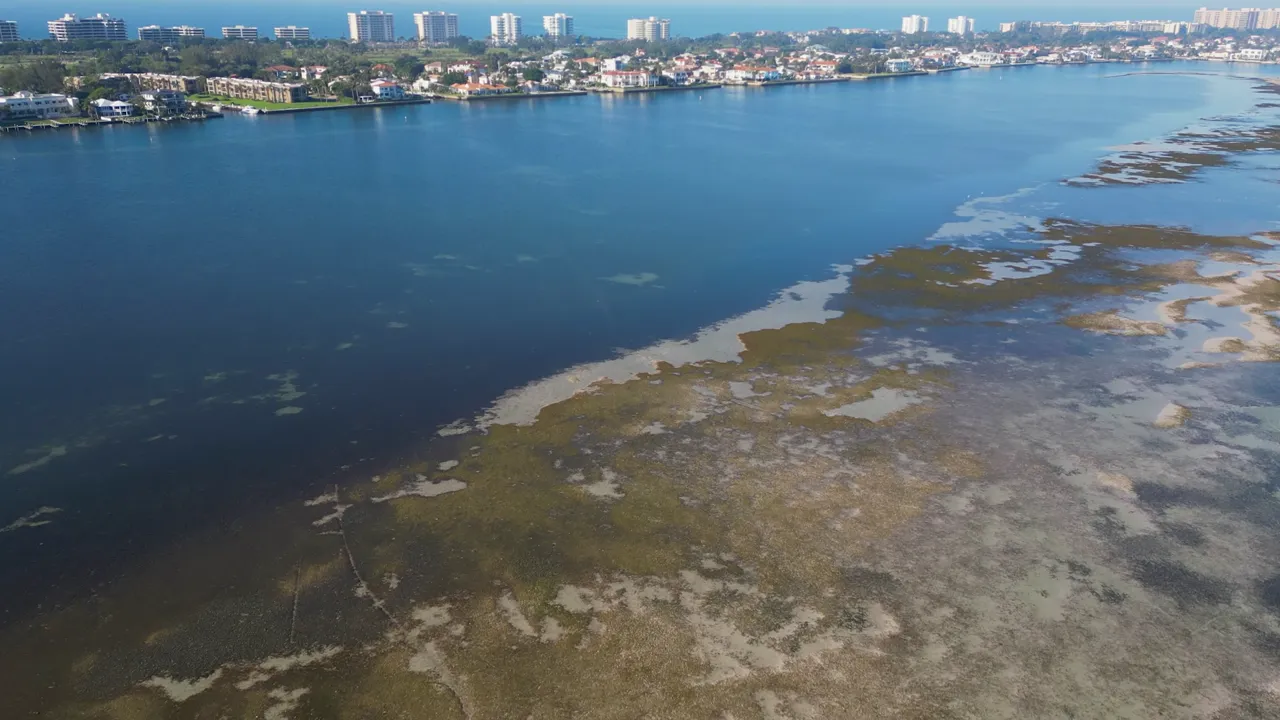
The seam where a bar drops into grass is worth a whole tide.
What’s the best bait and tackle for bonnetheads?
Match the diet, not the toothy reputation.
- Baits, in order: fresh-cut blue crab (a quarter or half crab, shell on), live shrimp, fresh dead shrimp, cut pinfish or ladyfish. Crab out-fishes everything when they’re keyed on it.
- Rig: 1/0–2/0 non-offset, non-stainless circle hook (required with natural bait), 18–24” of 30–40 lb fluorocarbon leader, small split shot or 1/4 oz knocker weight. No wire needed — bonnetheads have crushing teeth, not cutting teeth, though a long leader saves you from their sandpaper skin.
- Cork option: a shrimp under a popping cork drifted across grass takes bonnetheads all summer, usually while you’re trout fishing.
- Tackle: a 7’ medium spinning rod, 3000–4000 reel, 10–15 lb braid — standard bay live bait gear. The fight is a series of stubborn, circling runs; let the circle hook do the work and just reel tight.
- Handling: support the fish horizontally, keep fingers away from the mouth, and get release photos done in seconds. They’re small sharks, but they’re still sharks.
What are the 2026 shark regulations for bonnetheads?
Bonnetheads sit in FWC’s Group 1 — legal to harvest with no minimum size, and exempt from the 54-inch fork length minimum that applies to the Group 2 sharks like bull, nurse and spinner. The prohibited list is where anglers get in trouble: the great, scalloped, and smooth hammerheads are all illegal to keep, and a bonnethead is the one hammerhead-family shark you can. The rounded, un-notched shovel head is the tell.
| Item | 2026 rule |
|---|---|
| Minimum size | None — Group 1 carries no minimum |
| Bag limit | 1 shark per person per day |
| Vessel limit | 2 sharks per vessel per day, even with more than two anglers aboard |
| Season | Open year-round |
| Hooks | Non-offset, non-stainless-steel circle hooks required when targeting or harvesting sharks with live or dead natural bait |
| Required gear | A device capable of quickly cutting the leader or hook, fishing from shore or a vessel |
| Condition | Must remain whole — heads, tails and fins attached — until landed |
| Prohibited species | 29 species, including all three large hammerheads |
Source: FWC shark regulations, read 22 July 2026. Rules change — verify current regulations before you fish.
Fishing from land? Anyone 16 or older targeting sharks from shore, a pier, jetty, bridge, or causeway needs the free annual Shore-based Shark Fishing Permit, issued after passing FWC’s online course at MyFWC.com/SharkCourse. Anglers under 16 do not need the permit at all, but they do need the course unless they are fishing with someone who holds one. Chumming is prohibited when fishing from the beach; it stays legal from a pier or a vessel. A saltwater license is also required — details at the FWC saltwater license page and our Florida fishing licenses guide.
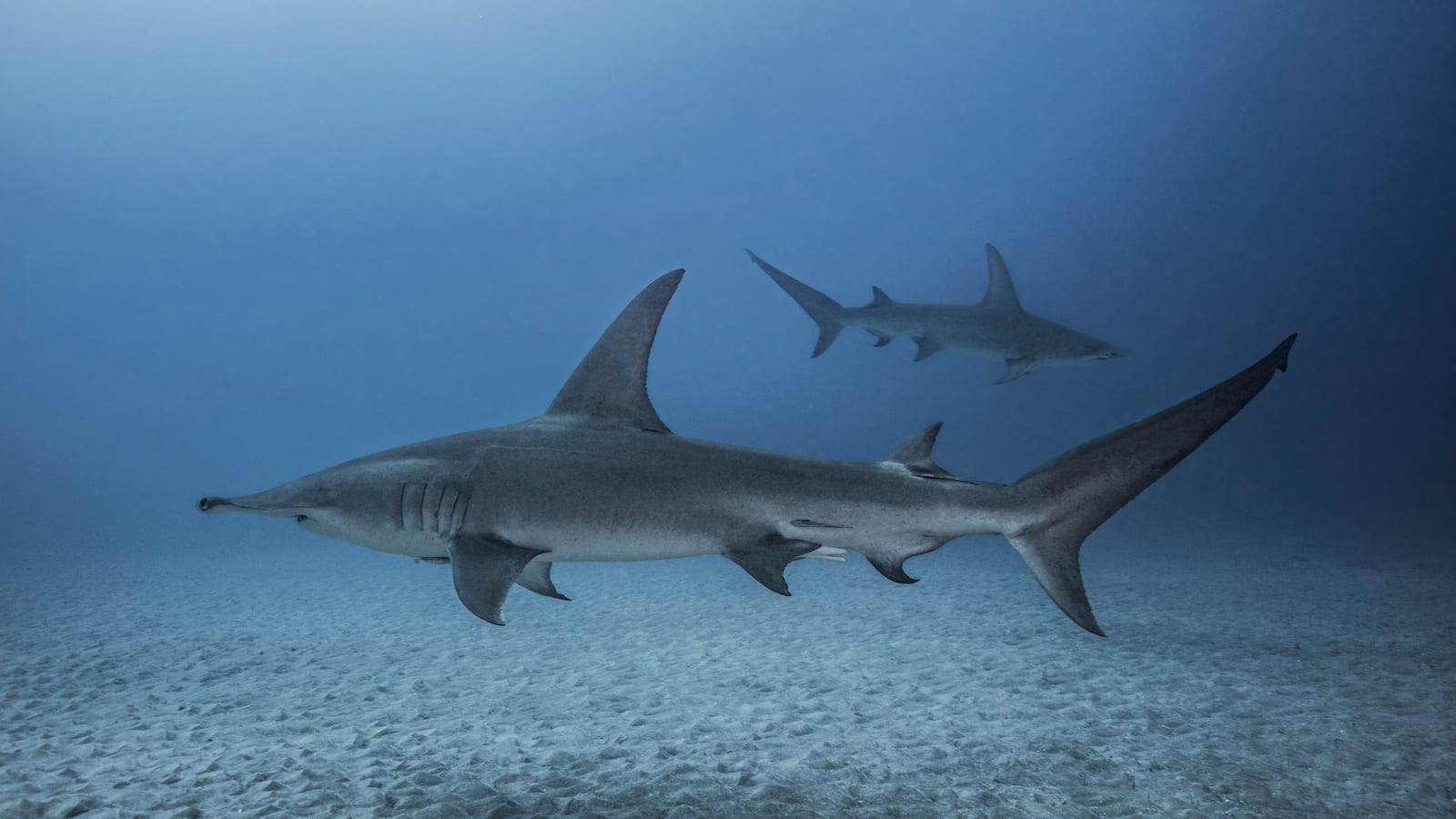
Great hammerheads. Wide notched head, and never legal to keep.
How do you tell a bonnethead from other Sarasota sharks?
| Feature | Bonnethead | Prohibited hammerheads | Blacktip |
|---|---|---|---|
| Head | Smooth, rounded shovel | Wide flattened hammer with notches | Pointed conical snout |
| Typical size | 2–3.5 ft | 6 ft+ | 3–5 ft |
| Fins | Plain | Plain | Black tips on most fins |
| Legal to keep? | Yes (Group 1) | No — release in the water | Yes (Group 1) |
Any hammerhead with a wide, notched head goes back immediately, in the water, gills submerged — do not drag it onto the beach or deck. FWC’s wording is that prohibited species must be released without delay. If the hook won’t come out fast, cut the leader close.
Are bonnethead sharks good to eat?
Legal, and edible if handled right — but most Sarasota anglers release them. Shark meat must be bled and iced immediately or urea in the tissue turns it ammonia-tainted and inedible. Handled properly, bonnethead is firm and mild. Two cautions: shark is a high-mercury category (limit portions, and skip it for kids and pregnant women), and one fish per person is the ceiling anyway. Our eat your catch guide covers cleaning and local cook-your-catch restaurants; if you release, do it by the book — see catch and release best practices.
FAQ
When is the best time to catch bonnetheads in Sarasota? May through October, on the grass flats, any moving tide. Summer midday works — they feed when the glamour species won’t.
What’s the best bait for bonnethead sharks? Fresh-cut blue crab first, live or fresh dead shrimp second, on a 1/0–2/0 circle hook and 30–40 lb fluoro leader.
Do I need a permit to catch bonnetheads? From a boat, just a saltwater license. From shore or any structure attached to shore, anglers 16 and older also need FWC’s free Shore-based Shark Fishing Permit and its online course.
Are bonnetheads dangerous? No recorded serious attacks — small mouth, crab-crushing teeth. Handle with normal shark caution and keep fingers clear.
Can you keep a bonnethead in Florida? Yes — no minimum size, 1 per person per day, 2 per vessel max. Its larger hammerhead cousins are all prohibited.
Is there a Florida state record for bonnethead? No. FWC’s Catch a Florida Memory program keeps saltwater records for 81 species and bonnethead is not one of them, so there is no official state-record weight to chase.
Related reading
Bonnetheads share the summer flats with spotted seatrout and redfish, and their bigger cousins the blacktip sharks run the passes and beaches on the same tides. Fishing from land? The surf and shore fishing guide maps every access point, and the passes and inlets reference covers the moving water where every predator in this bay feeds.