Nature Tours in Sarasota
Private Sarasota boat nature tours from $350. Manatees, sea turtles, dolphin families, and rookery islands across a bay restored to 13,000+ acres of seagrass.
At a Glance.
Ranges are ballparks, not quotes — season, group size, route, and fuel all move the number. Call or text us for an exact quote on your dates.
- USCG-licensed captain-naturalist
- Fuel
- Cooler with ice and water
- Binoculars aboard on most boats
Typical for this trip type — the exact list is the captain's and is confirmed when you book.
About This Trip.
A Sarasota nature tour is a slow 2–3 hour boat loop through the bay’s living edges — mangrove creeks, rookery islands, grass flats, and manatee holes — for dolphins, manatees, sea turtles, spoonbills, and eagles. Private trips run $350–$550, move at idle speeds a fishing charter never uses, and cross a bay that has recovered to more than 13,000 acres of seagrass.
What do you actually see on a nature tour?
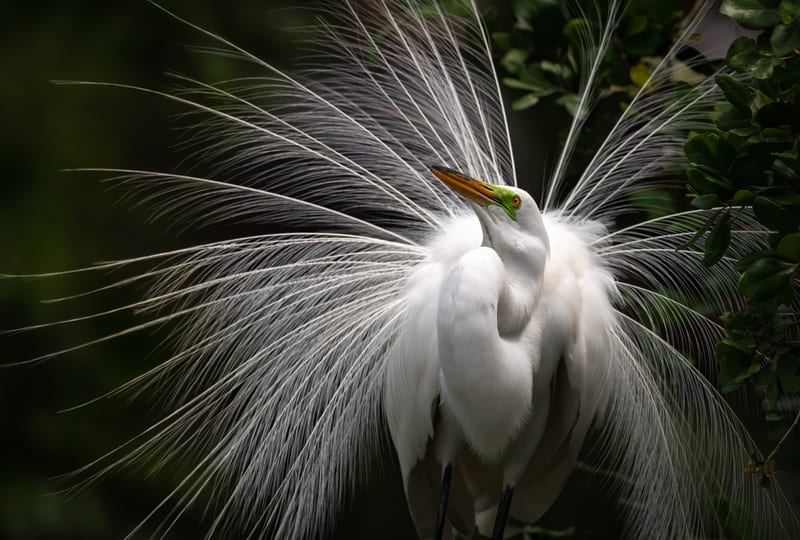
Sarasota Bay is an estuary in recovery and it shows. The Sarasota Bay Estuary Program tracks the numbers: seagrass acreage has rebounded past 13,000 acres, and the food web on top of it — bait schools, rays, turtles, dolphins, wading birds — is the tour. The reliable cast:
| Animal | Best window | Where |
|---|---|---|
| Bottlenose dolphins | Year-round | Bay edges, passes |
| Manatees | Nov–Mar | Warm creeks, canals, Phillippi Creek |
| Loggerhead turtles | May–Oct | Passes, nearshore Gulf |
| Roseate spoonbills | Year-round, best winter | Mangrove islands, low-tide flats |
| Osprey and bald eagles | Year-round; eagles nest Oct–Apr | Channel markers, tall pines |
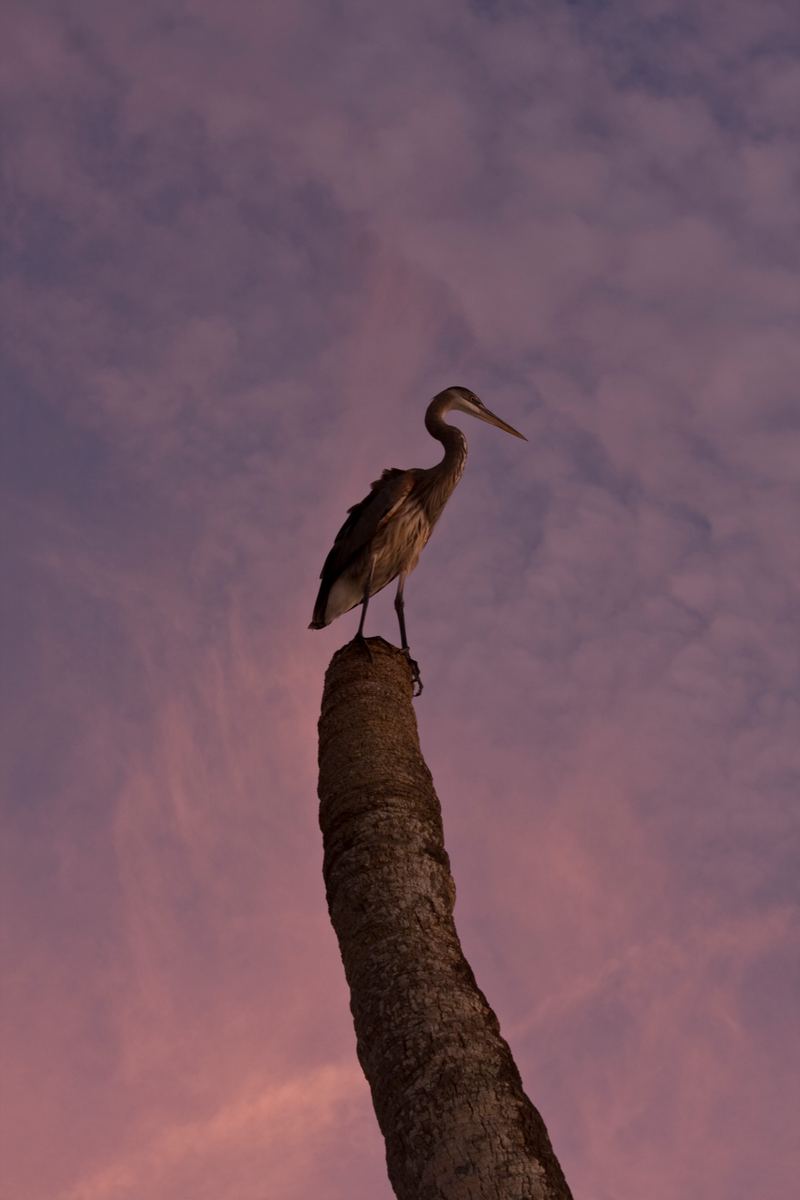
| Pelican and heron rookeries | Spring nesting | Bird islands in the ICW |
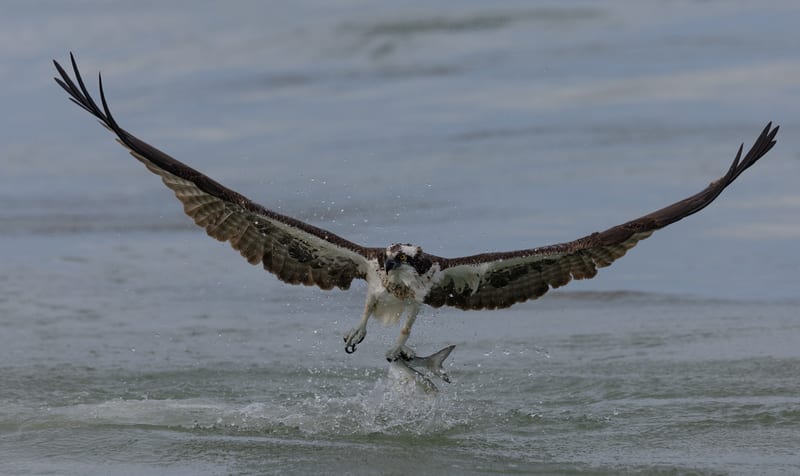
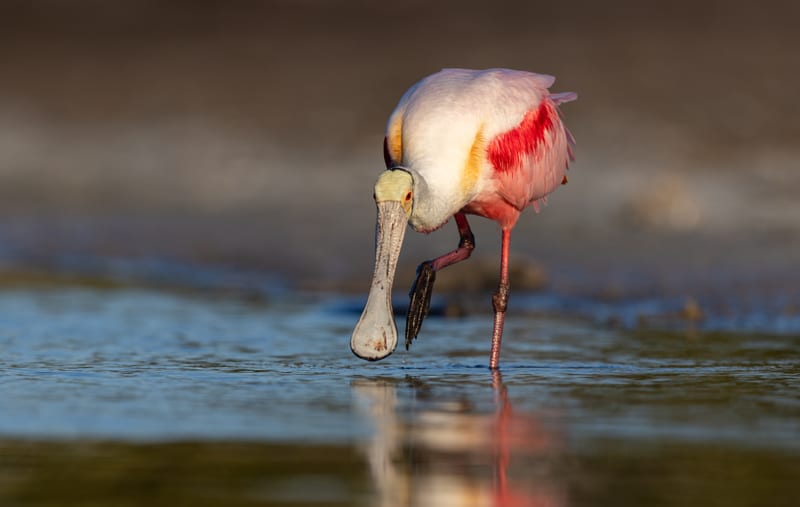
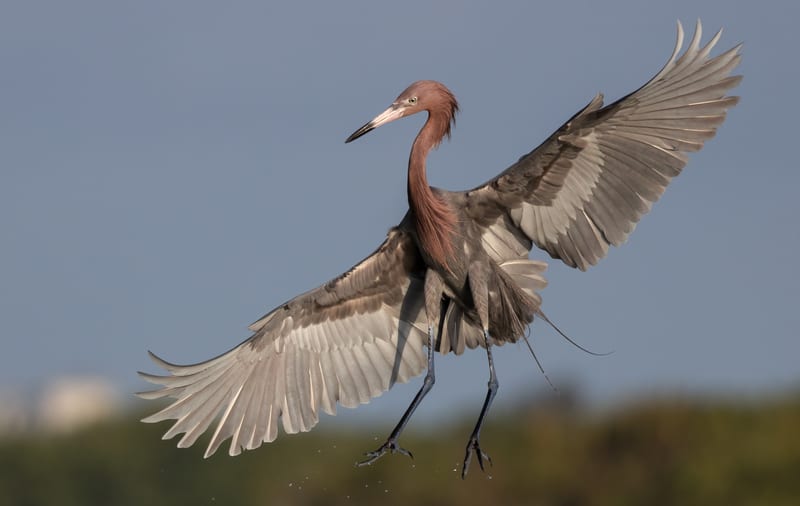
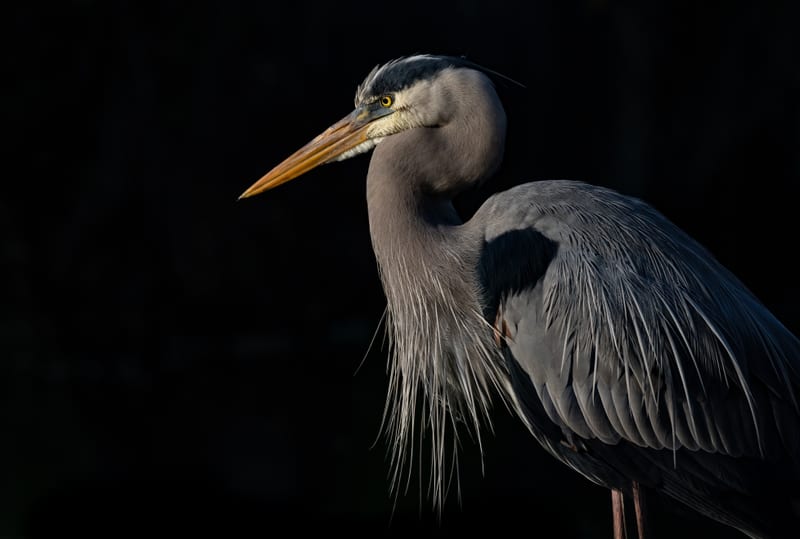
The birds are the constant; the mammals are the headliners. The bottlenose dolphins here are not anonymous — they belong to the world’s longest-studied wild dolphin population, resident families the Sarasota Dolphin Research Program has documented since 1970, six generations known by the nicks and scars on their fins. Manatees pull the winter show: when Gulf temperatures drop below about 68°F they crowd into the warm creeks, canals, and spring-fed basins, and an idling boat can sit off a dozen animals grazing the grass. Loggerhead turtles work the passes May through October, rays fan the flats on a low tide, and none of it is fed or staged — the animals keep their own schedule and the tour bends to it.
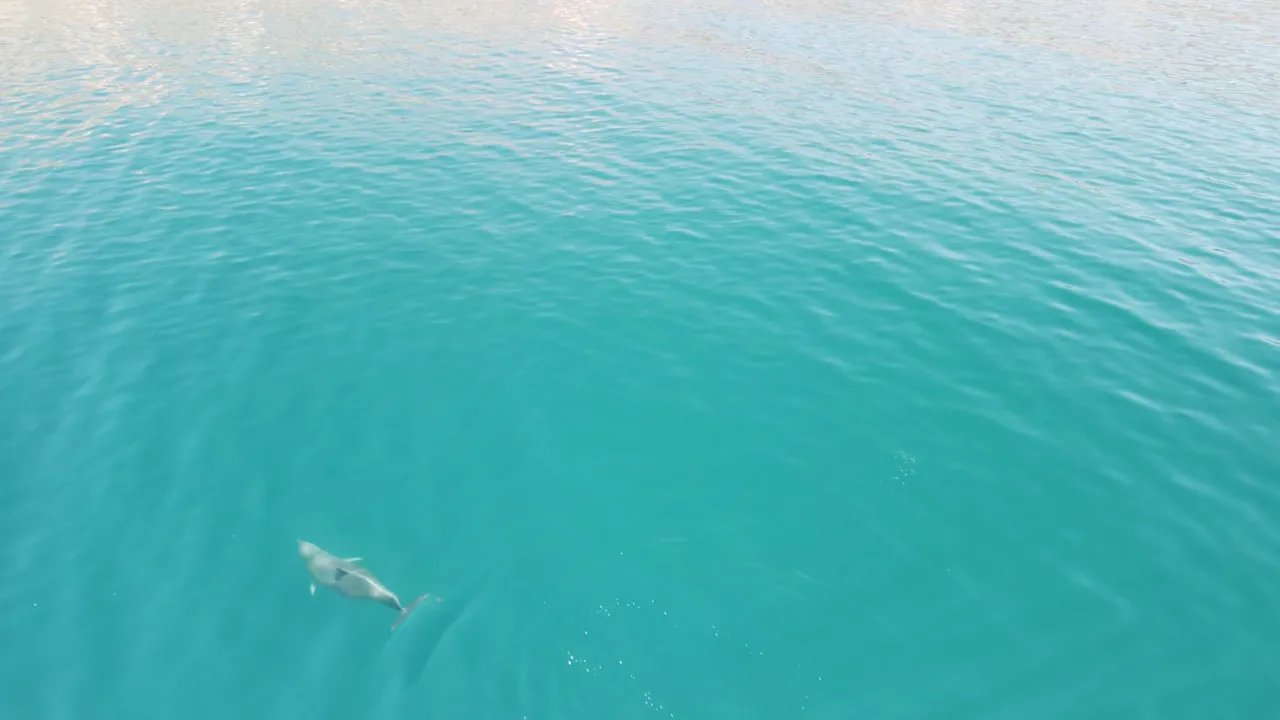
The bay's dolphins are the longest-studied wild population on Earth.
Who is a nature tour right for?
Multi-generation family groups, birders, photographers, and anyone who wants the bay explained rather than raced across. It’s the calmest trip on the menu — no gear, no swell, and the pace is set by whatever surfaces next. Kids do well because something is always happening; the over-70 crowd does well because nothing has to be reeled in. If the group specifically wants maximum dolphin time, the dolphin tour is the focused version.
What does a 2.5-hour nature tour look like?
| Time | What happens |
|---|---|
| 8:30 am | Depart — morning light and slack winds are the wildlife window |
| 8:45–9:15 | Grass flats at idle: rays, turtles, feeding birds on the low tide |
| 9:15–9:45 | Mangrove shoreline and creek mouths; manatees in season |
| 9:45–10:15 | Rookery island pass — engines low, cameras out |
| 10:15–10:45 | Bay crossing with the dolphin families |
| 11:00 am | Dock |
Tide matters more than clock: a negative low exposes flats and concentrates birds; captains pick departure off the tide chart. Check yours at NOAA Tides & Currents.
When is the best season?
Winter, narrowly. November–March brings manatees to the warm holes, peak wading-bird concentrations, the clearest water, and eagle nesting. Spring adds rookery chaos — nesting pelicans, herons, and spoonbills at full volume. Summer runs early mornings for glass water, turtles, and dolphin calves. Fall is the quiet bargain: warm, empty, and every resident species still on duty. Manatee protection rules and viewing ethics: FWC manatee program.
What does it cost, and how do you pick a captain?
Private boats run $150–$200/hour in this market — $350–$500 for 2–3 hours, up to six passengers, standard $100–$200 deposit, 15–20% tip. Ask one filtering question when booking: “Do you idle the rookeries or run past them?” A real nature trip spends most of its time off plane. Operations that run dedicated eco/nature trips include AMI Excursions on Anna Maria and King Fisher Fleet out of Punta Gorda’s Fishermen’s Village, which has run harbor cruises for 40+ years. Pair the morning with an afternoon at Mote Marine Laboratory and the day teaches itself.
Ranges, not quotes — season, species, weather, group size, and fuel all move the number. Call or text us for an exact quote on your dates.
Different boats and captains price differently, and rates and availability change constantly — text us for current, accurate pricing on your dates.
Ranges, not quotes — the boat, the captain, and the season all move the number, and we work with everything from budget-friendly operations to high-end boats with specialist captains. If price is the limiting factor, tell us and we will find something that fits. Full breakdown: charter prices guide.
Related
The dolphin tour narrows this trip to its star species; the sunset cruise is the golden-hour version with the same water and none of the biology. Anglers travelling with non-anglers: run this tour and the inshore charter as a split day — same boat, both halves. Families with restless kids should read the kids and family charter. Area detail: Siesta Key and Venice both have their own quiet-water loops.
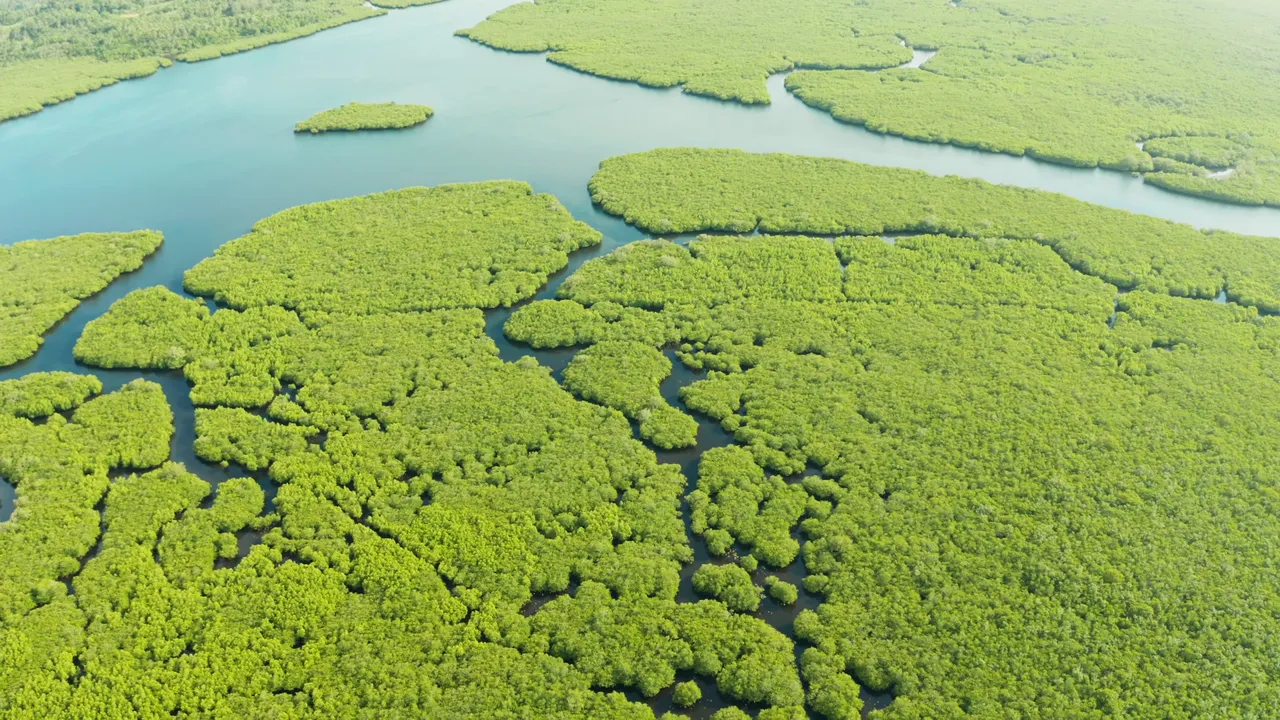
The boat reaches rookery islands and mangrove creeks no trail touches.
FAQ.
What wildlife do you see on a Sarasota nature tour?
When is manatee season in Sarasota?
How is a nature tour different from a dolphin tour?
Is the tour good for serious birders?
Can we touch or feed the animals?
Book This Trip.
Send an inquiry pre-filled for the nature tours and we'll match you with the right captain for your group — or call and talk it through first.