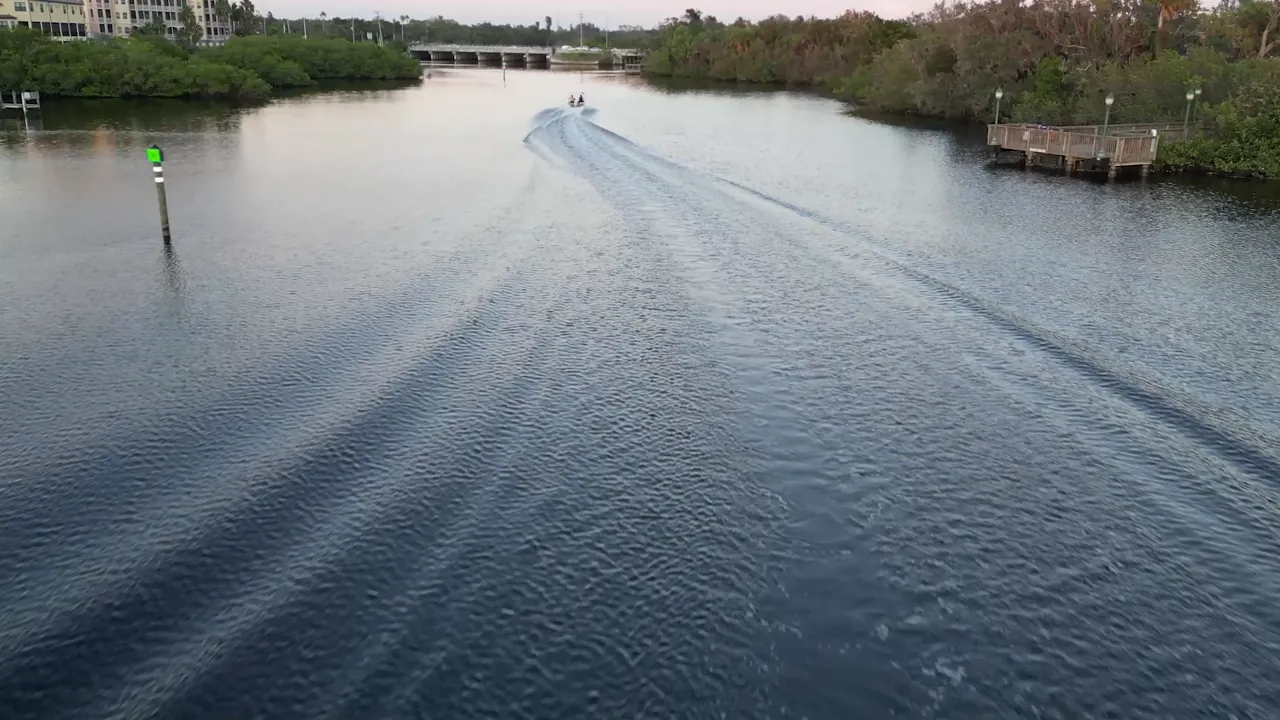
Florida saltwater fishing rules come from two governments: the Florida Fish and Wildlife Conservation Commission (FWC) controls state waters — shore out to 9 nautical miles in the Gulf — and NOAA Fisheries with the Gulf Council controls federal waters beyond that. Every rule reduces to four questions: is the season open, is the fish in the slot, how many can I keep, and how was it measured. This guide teaches you to answer all four, with live FWC links for every species you’ll catch out of Sarasota.
Who sets the fishing rules in Sarasota?
| Zone | Authority | What it covers |
|---|---|---|
| Shore to 9 NM (Gulf) | FWC | All inshore species — snook, redfish, trout, tarpon — plus reef fish inside 9 miles |
| Beyond 9 NM | NOAA Fisheries / Gulf of Mexico Fishery Management Council | Federal reef fish seasons — red snapper, gag grouper, amberjack, triggerfish |
The line matters most for bottom fishing. Red snapper season, for example, is set federally and FWC aligns state waters for Gulf reef fish — but the two systems can and do split. A grouper legal at 8 miles can be closed at 10, or vice versa. Offshore anglers should check both rule sets before every trip; our deep sea fishing overview covers which species live on which side of the line.
Two more facts about how the system works:
- Rules change mid-year. FWC issues executive orders after red tide events, cold snaps, and stock assessments. The 2026 numbers on this page were verified July 18, 2026 — verify current rules before you fish.
- The fish’s location, not the boat ramp, controls. Catch a fish in federal waters and federal rules applied to it the moment it hit the deck.
The fish's location, not the boat ramp, controls.
How do I read a slot limit?
A slot limit means the fish must measure inside a window to be kept — protecting juveniles below the slot and big breeders above it. Sarasota’s three marquee inshore species are all slot or no-take fish:
- Snook: tight slot (roughly 28–33” total length in the Gulf region), harvest requires the $10 snook stamp, and the season closes seasonally — check the live FWC snook page before keeping anything. Most local snook are released regardless; the big females over the slot are the future of the fishery.
- Redfish: slot fish (18–27”) with tight regional harvest rules on this coast — FWC has managed the Tampa Bay/Sarasota region conservatively since the 2017–19 red tides. Live rules: FWC redfish page.
- Spotted seatrout: slot with a bag limit that varies by management region. Live rules: FWC seatrout page.
An over-slot fish is not a trophy to drag over the gunwale for a hero shot — oversize snook and redfish must be released, and the release counts. Handle them per our catch-and-release best practices.
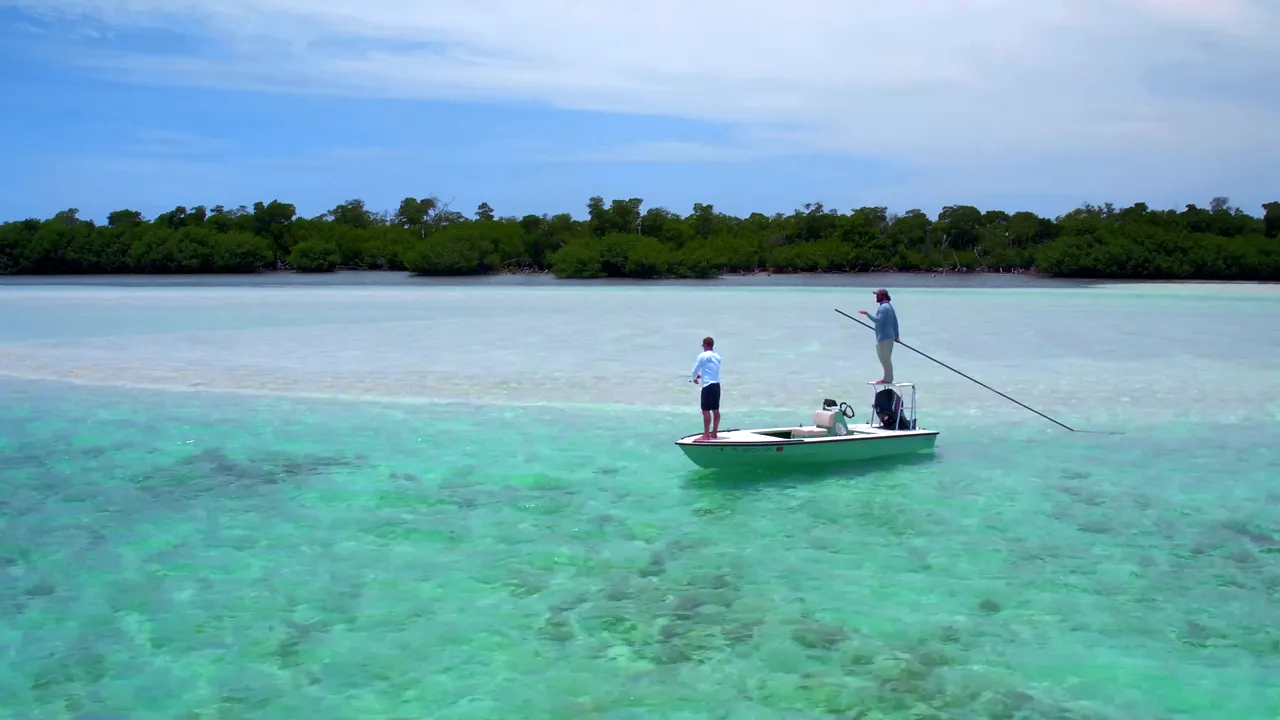
Oversize snook and redfish must be released — and the release counts.
What do bag limits and vessel limits mean?
- Bag limit: fish per person per day. “1 per harvester” for snook means one keeper per licensed angler per day, permit in hand.
- Vessel limit: a cap for the whole boat regardless of how many anglers are aboard. Common on reef fish — e.g., gag grouper limits sit inside an aggregate grouper vessel cap.
- Aggregate limits: some limits pool species. The Gulf reef fish aggregate counts several snapper species together — 10 snapper total, not 10 of each.
- Possession vs. bag: possession limits cover fish in your cooler, freezer at the rental, and truck. Two days of limits stockpiled on a multi-day trip can put you over.
Filleting at sea is generally prohibited — fish must arrive at the dock in whole condition (heads and fins intact) so officers can measure them. Fillet at the dock, not on the boat.
Which seasons matter in Sarasota waters?
| Species | 2026 status in Sarasota waters | Live rule page |
|---|---|---|
| Snook | Slot + seasonal closures; $10 permit to harvest | FWC snook |
| Redfish | Slot 18–27”; conservative regional limits | FWC red drum |
| Tarpon | Catch-and-release only, statewide, year-round; over-40” fish stay in the water | FWC tarpon |
| Seatrout | Slot + regional bag limit | FWC sea trout |
| Gag & red grouper | Gag season set federally/state-aligned; red grouper open windows | FWC groupers |
| Mangrove snapper | Open year-round in state waters; 10” min, within snapper aggregate | FWC snappers |
| Red snapper | Federal season announced annually — short summer window | FWC red snapper |
Do not hard-code any of these numbers into your memory. Screenshot nothing; check the live page the morning you fish. FWC posts every change at myfwc.com/fishing/saltwater/recreational/.
How do I measure a fish correctly?
Florida uses total length for most species: tip of the snout to the tip of the compressed tail, fish flat on a ruler, mouth closed, tail lobes squeezed together. Squeezing the tail adds real length — a 27.5” “redfish” often becomes a legal 27” fish measured right, and vice versa.
- Use a flat rigid measuring board, not a soapy tape draped over a bent fish.
- Measure with the fish lying on the ruler, snout touching the zero stop.
- A handful of species (sharks, some pelagics) use fork length — the rule page states which measurement applies.
When a fish is within a half inch of the line, release it. Officers carry certified boards; your optimistic tape does not win that conversation.
What tools keep me legal on the water?
- Fish Rules app — free, FWC-recognized, uses your GPS position to show current size, bag, and season for the water you’re floating on. Solves the state-vs-federal line automatically: fishrulesapp.com.
- Fish|Hunt FL app — FWC’s official app; carries your license digitally. Get it via GoOutdoorsFlorida.
- FWC saltwater regs home — bookmark myfwc.com/fishing/saltwater/recreational/ and check your target species the morning of the trip.
- This site — every species page here links its live FWC rule page and states the 2026 rule as of its review date.
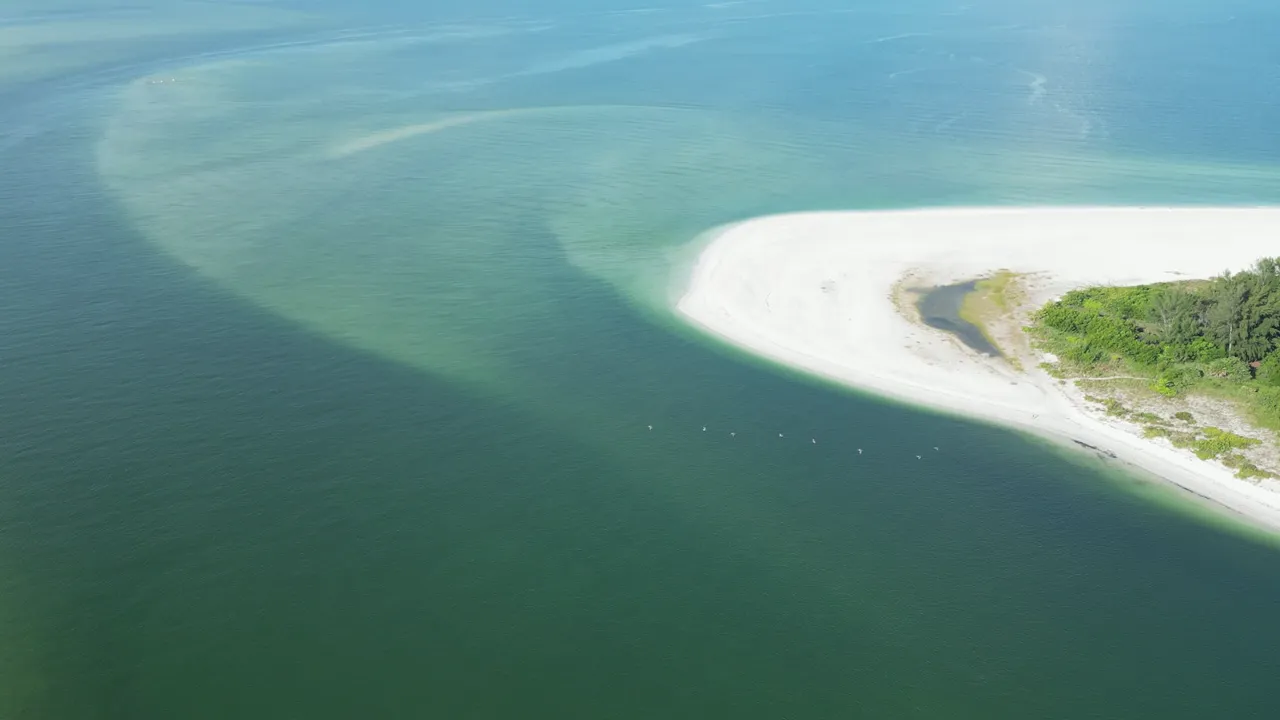
Fish Rules uses your GPS to show the rules for the water you're on.
FAQ
What happens if I keep an illegal fish in Florida? Most violations are noncriminal infractions — a citation plus court costs — but repeat and flagrant cases (over-the-slot snook, out-of-season snapper stacked in a cooler) escalate to misdemeanors with real fines and license revocation. Officers can inspect coolers, livewells, and fish boxes.
Do the rules differ between Sarasota Bay and the Gulf beaches? Both are state waters, so the same FWC rules apply from the Sarasota Bay flats to the surf. The rule change happens 9 nautical miles off the beach, not at the pass.
Can I use snook or redfish as bait? No. Regulated game fish can’t be used as bait, live or dead. Netted whitebait, pinfish, and shrimp are the legal standards — see our live bait guide.
Who do I call to report a violation? FWC Wildlife Alert: 888-404-3922. Reports can pay rewards and stay anonymous.
Are there closed areas near Sarasota? Yes — spring closures around spawning aggregations, no-take zones near some passes and Mote Marine research areas, and seasonal federal reef closures. Fish Rules flags most of them by GPS; FWC’s rule pages list the rest.
Related
Get licensed first — costs and exemptions are in our Florida fishing license guide — then learn to put fish back alive with the catch-and-release best practices guide. Rules in context live on our species pages: snook, redfish, tarpon, and gag grouper. For where to fish once you know the rules, start with Siesta Key.