
Kayak Fishing Sarasota: Rigging, Tactics & Where the Paddle Wins
Kayak fishing Sarasota Bay to Boca Grande: how to rig a fishing kayak, anchor in current, fight fish sitting down, and the launches where paddling beats a boat.
How We Fish It.
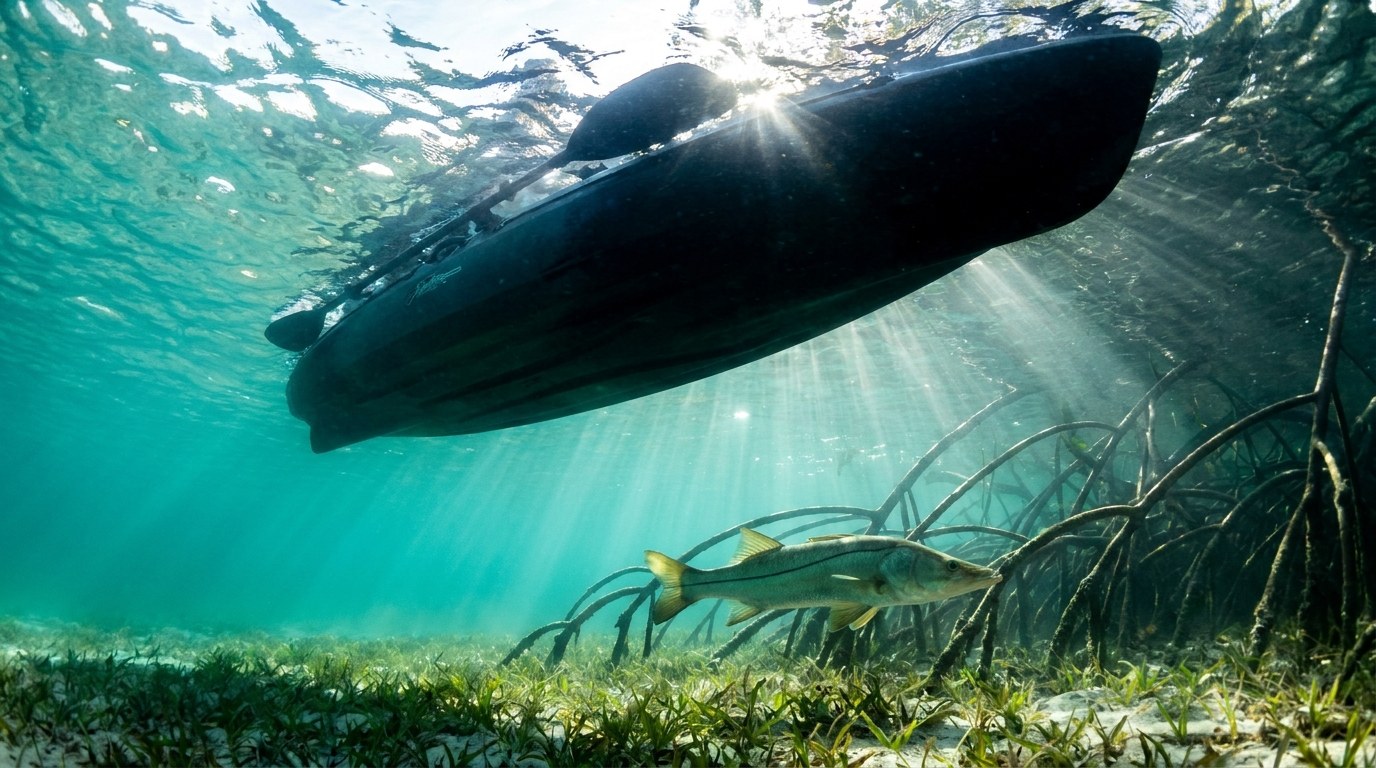
A kayak turns Sarasota’s no-motor zones, mangrove creeks, and skinny backcountry into your private water. The paddle fleet reaches fish the boat fleet cannot: the inside of South Lido’s lagoon, the creeks off the Myakka, the grass north of Ted Sperling Park where outboards can’t run. And every summer a handful of Sarasota kayakers do the most electric thing in local fishing — jump a 100 lb tarpon from a 70 lb piece of plastic.
Why fish from a kayak here?
- Access: no-motor zones, sub-12” creeks, and launch points where there’s no ramp — the kayak fishes water that sees near-zero pressure. Our launch directory maps 15+ put-ins.
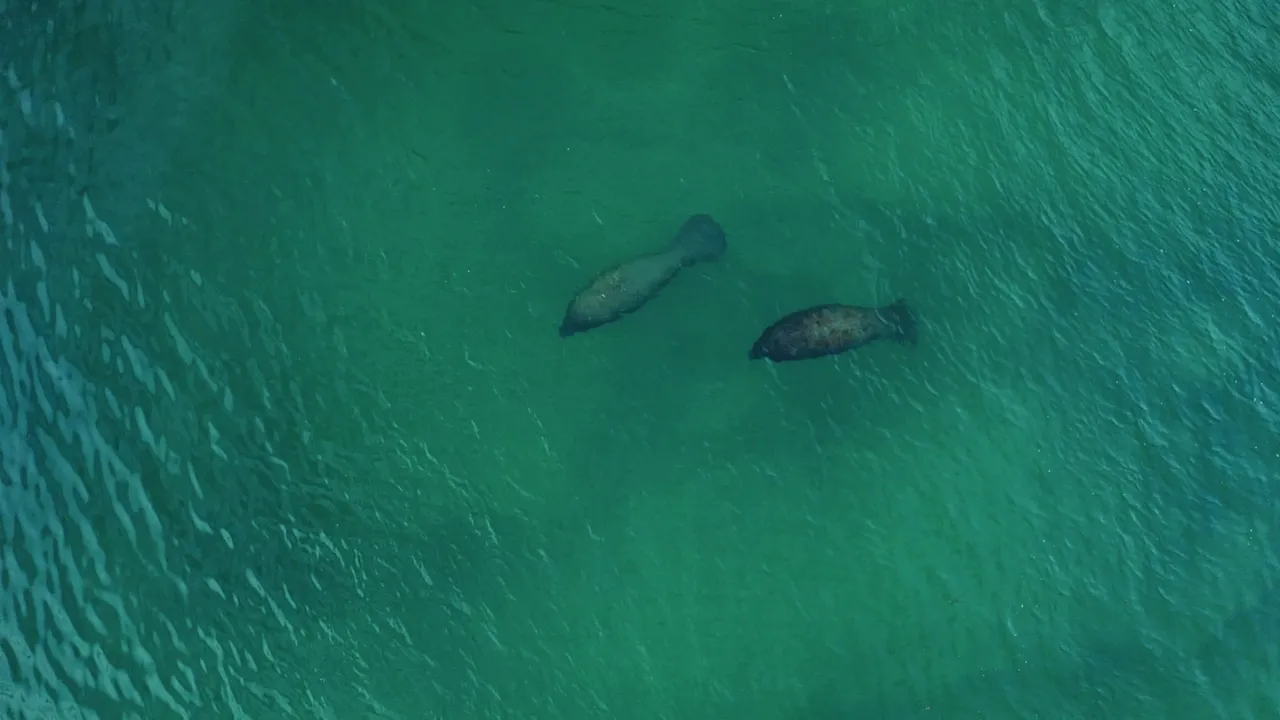
- Stealth: quieter than a trolling motor, lower than a poling skiff. You will drift within 20 ft of laid-up redfish.
- Cost: a rigged used kayak costs one weekend of boat ownership.
| Item | Number |
|---|---|
| Ideal boat | 12–14 ft, 32–36” beam |
| Practical range | 3–5 miles round trip |
| Best depths | 6 inches – 6 ft |
| Prime season | April–October |
| License | Regular saltwater license — kayaks don’t qualify for the shore exemption |
Quieter than a trolling motor, lower than a poling skiff.
How do you rig a kayak for Sarasota fishing?
Keep the deck cleaner than you think you need:
- Rods: two maximum — one rigged with a soft plastic, one with topwater or a live-bait hook. Behind-the-seat crate or track mounts.
- Anchoring: a 3 lb grapnel on 30 ft of line with a float, run through an anchor trolley so you can set your bow to the current. In under 3 ft, a stakeout pole through a scupper is faster and silent. Never anchor a kayak sideways in pass current — Big Pass and Longboat Pass ebb tides will roll you; if the anchor loads up wrong, let the float go and come back for it.
- Safety, non-negotiable: PFD worn (Florida law requires one aboard; wearing it is what actually saves you), whistle, 360° light for the dawn paddle out, everything leashed. File a float plan for backcountry trips — cell coverage dies in the Myakka creeks.
- Pedal vs paddle: pedal drives cost more and draft more, but hands-free positioning roughly doubles your effective casts per hour, and for the beach tarpon game they’re close to mandatory.
Where does the kayak beat the boats?
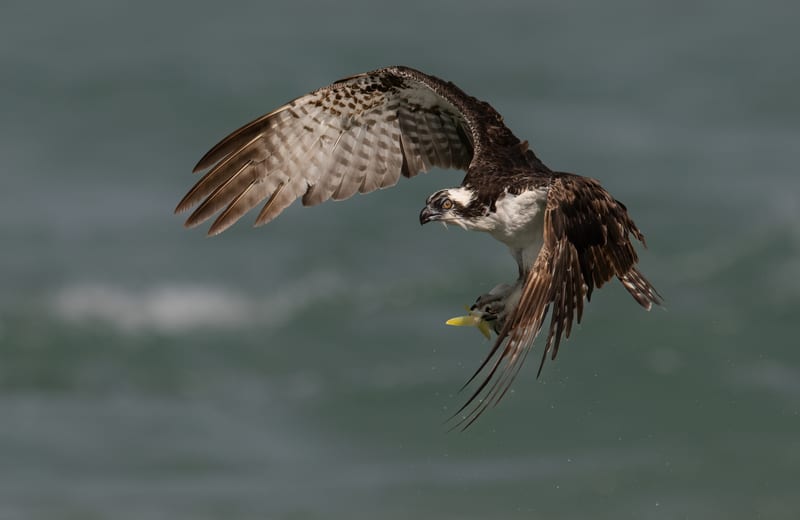
- South Lido lagoon system — mangrove tunnels and the no-motor grass; snook and small tarpon in the back on summer high tides. Launch at Ted Sperling Park.
- Neville Preserve / Palma Sola backcountry (Bradenton) — redfish flats a five-minute paddle from the launch.
- Blackburn Bay and the Venice ICW edges (Venice) — quiet grass both directions from Albee Road.
- Lemon Bay’s east-side creeks (Englewood) — snook ambush points a paddle from Indian Mound Park.
- Charlotte Harbor’s east wall (Charlotte Harbor) — mile after mile of undeveloped mangrove; the most remote water in range of a roof rack.
- The summer beach run — advanced only: launching off Siesta or Longboat at dawn to sight-cast the tarpon lanes in June–July. Flat-calm mornings, buddy system, and read the tarpon guide first.
How do you fight a big fish sitting down?
Sarasota’s kayak-specific skills, in order of importance:
- Let the boat be the drag. A red or big snook will tow you — that’s the design. Keep the rod tip toward the bow and enjoy the sleigh ride; the hull’s resistance tires fish faster than your drag does.
- Land fish on the down-current side, rod high, sliding the fish to your hand — reaching across the hull is how pliers, and people, go swimming.
- Tarpon protocol: never tie off to a tarpon, keep the fish in front of you, and break off any fish that runs you toward the pass shipping lane. Florida’s tarpon rules are strict — catch-and-release only, fish over 40” stay in the water: FWC tarpon regulations.
- Live-chum drifts: a scaled-down version of the live bait program works — net a few dozen whitebait, drift the flat, toss three, cast one.
Wind is the schedule-maker: mornings under 10 kt are kayak days; check the marine forecast and wind tools the night before, and the tide window so the paddle home runs with the current, not against it.
FAQ
Do I need a license to kayak fish? Yes — the shore-based exemption does not apply once you fish from any vessel, kayak included. Costs and links: Florida fishing licenses.
Sit-in or sit-on-top? Sit-on-top, full stop — self-draining, stable, re-mountable from the water. Practice deep-water re-entry once, on purpose, in July-warm water.
Can you kayak fish in winter? Yes, and it’s good — trout pot-holing on negative low tides. Dress for immersion, not air temperature; 60° water ends a swim fast.
Rent or buy first? Rent twice from the outfitters listed in our launch directory, then buy used. The rental teaches you what hull length you actually want.
Related: kayak launch directory for every put-in with parking notes; sight fishing for the visual game the kayak sets up; wade fishing for the even-cheaper version of stealth; and the rivers & backcountry guide for the creek systems worth exploring.
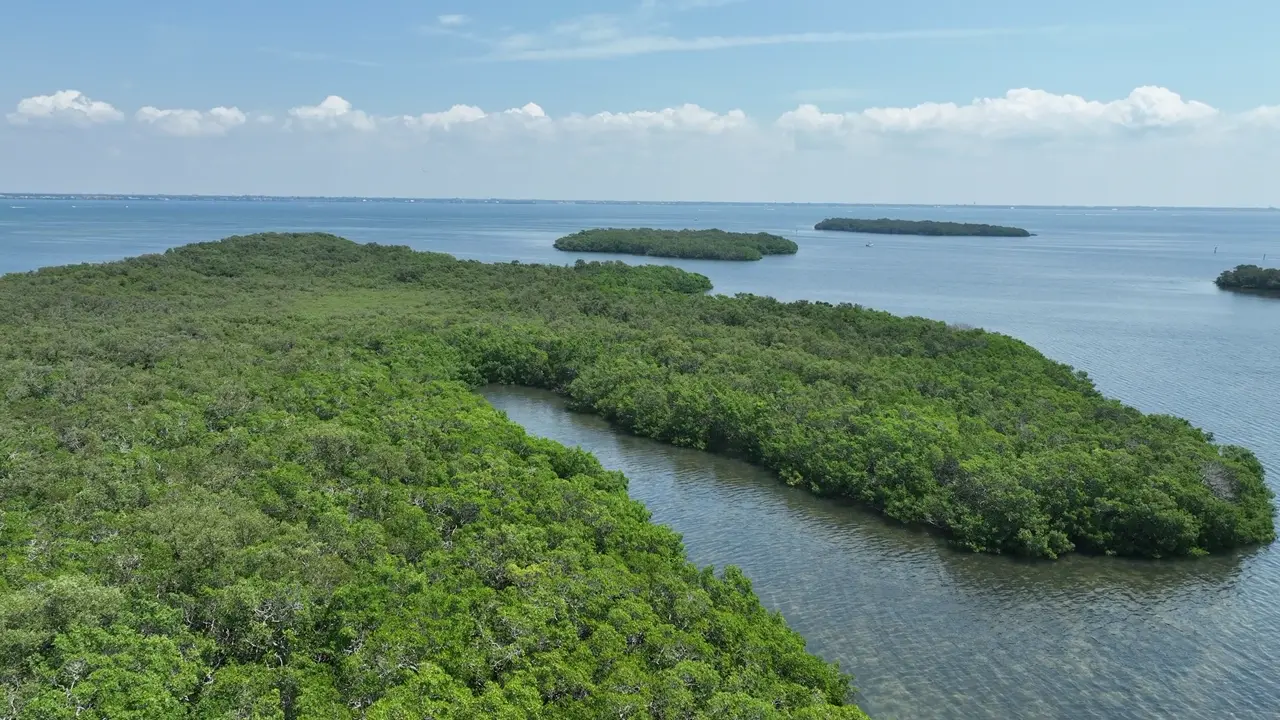
Paddle into water a boat can't reach.
Kayak Fishing on Video
15 public videos from 10 channels, sorted by subject. Nothing plays until you click it.
Rigging Your Yak & Setup
5Choosing a fishing kayak and rigging it out — from budget builds to tournament-ready decks.

INSANE kayak FISHING setup! NEW 2023 Rigging/layout

Sit-In Kayak Fishing Setup

How to Pick a Fishing Kayak - Basics of Fishing Kayaks

FISHING KAYAK SETUP! - Detailed Walk Through - Kayak Mods

Beginner Kayak Fishing Setup - Budget Friendly
Tips, Mistakes & Safety
5Beginner mistakes to skip, essential tips, launching, and the safety knowledge that keeps you upright.

9 Beginner Kayak Fishing Mistakes I Made… And You Should Avoid!

11 Kayak Fishing MISTAKES That Can Take Your Life
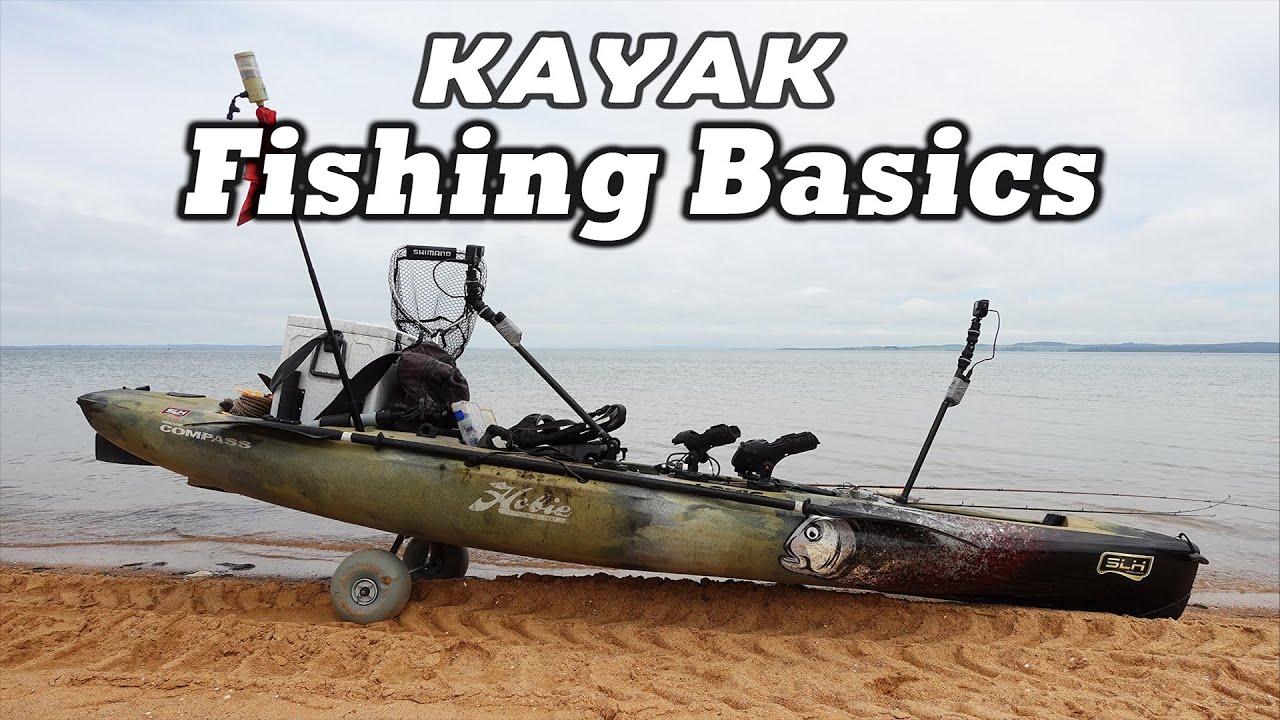
Beginners Guide To Kayak Fishing! (Basics, Tips & Tricks)

Top 5 Kayak Fishing Tips - MUST KNOW Kayak Info
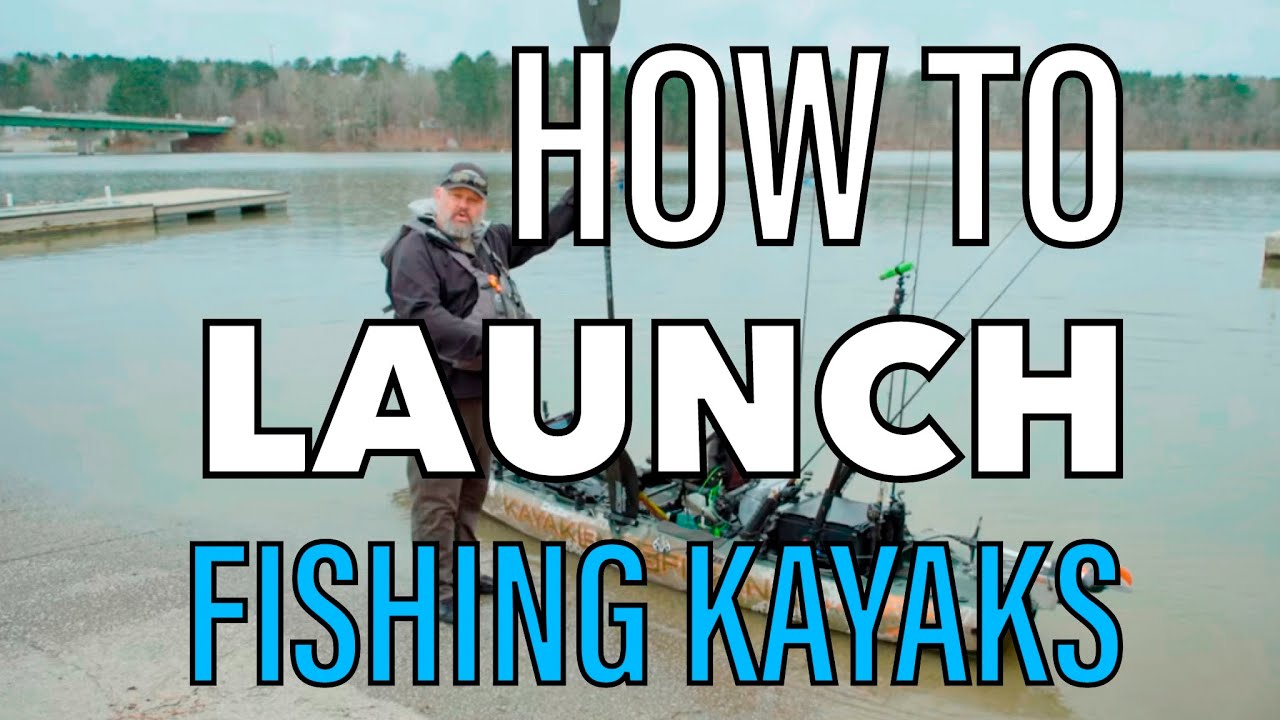
HOW TO LAUNCH | Fishing Kayaks
On the Water: Saltwater Kayak Fishing
5Inshore and nearshore kayak trips across Florida — mangrove backwaters, flats, and reef runs.

Kayak Fishing The ENTIRE 7 MILE BRIDGE Round Trip In One Day!! Florida Keys

Kayak Fishing The BLUE WATER! TWO DAYS Fishing The Florida Keys Offshore & Inshore!

Persistence Pays Off - Saltwater Kayak Fishing Sebastian FL

Florida Keys Kayak Fishing | Floating The Mangrove Highway
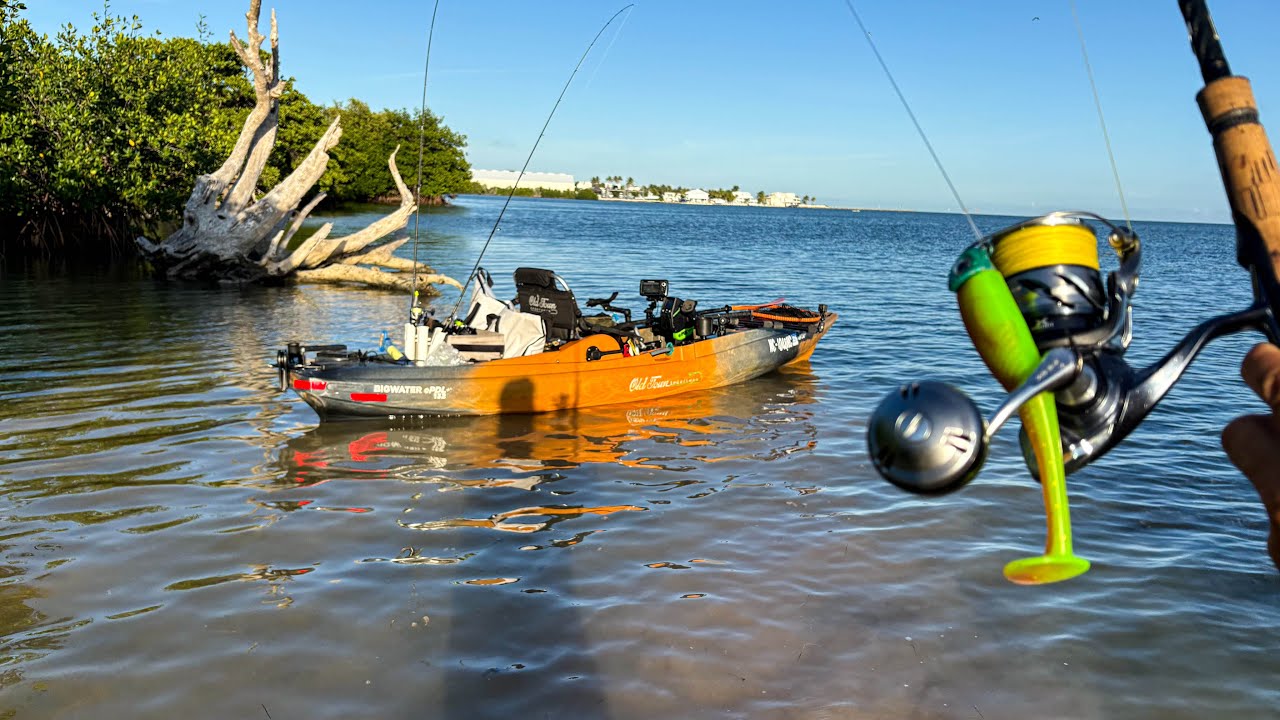
Florida Keys Kayak Fishing Day 1 | One Mile Reef Run | Dinner & New PB
Gear Checklist.
- 12–14 ft fishing kayak (pedal drive if targeting tarpon)
- 7'–7'6" medium spinning combo, 10–15 lb braid
- 3 lb folding grapnel or stakeout pole
- PFD worn, not stowed — plus whistle and light
- Leash everything: rod, paddle, pliers
- Dry bag + phone in float case
- Milk-crate or track system for rod storage