
Wade Fishing Sarasota Bay: Flats, Stingray Shuffle & Tactics
How to wade fish Sarasota Bay: walk-in flats from the Ringling to Palma Sola, the stingray shuffle, minimal gear rig, and why waders out-fish boats in skinny water.
How We Fish It.
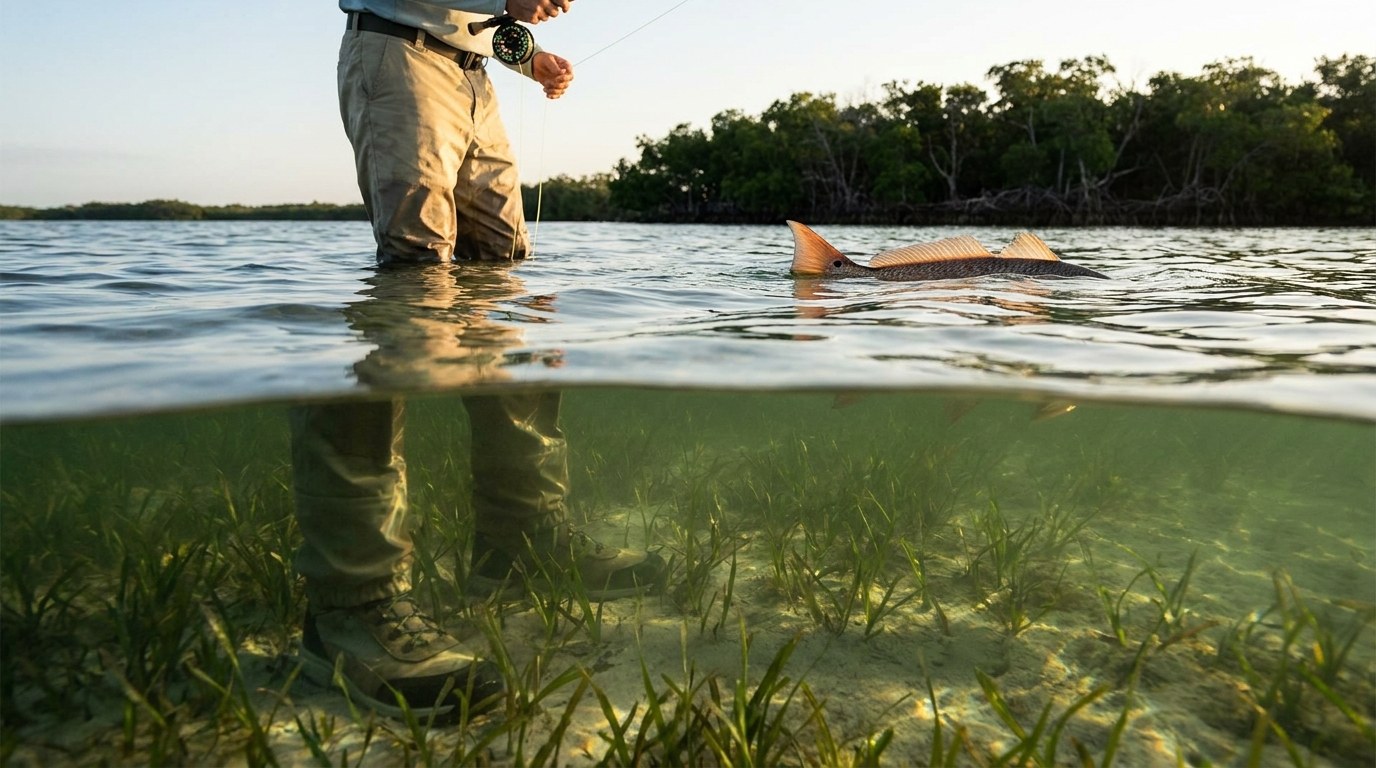
Wade fishing is the cheapest skill upgrade in Sarasota: leave the boat (or skip owning one), slide into thigh-deep water on a grass flat, and you become the quietest predator on the bay. In water under three feet, a careful wader routinely out-fishes a trolling-motor boat because there is no hull slap, no shadow, and no pressure wave. From April through November, the flats between the Ringling Causeway and Palma Sola Bay hold snook, redfish, and spotted seatrout within a ten-minute walk of a parking spot.
Why wade instead of fishing from a boat?
Three reasons, all about stealth:
- No pressure wave. Fish in 2 ft of water feel a hull from 80 yards. A slow wader pushes almost nothing.
- Low profile. You are a post, not a platform. Snook that flush from a skiff will hold in a pothole while you shuffle into casting range.
- Rate of coverage. Wading forces you to fish water thoroughly instead of running past it. Most waders catch their personal-best trout inside 50 yards of where they started.
| Item | Number |
|---|---|
| Productive depth | Knee to waist — 1.5–3 ft |
| Season | March–November (wet-wading); year-round with waders |
| Best window | First 3 hours of daylight, incoming tide |
| Casting range to work | 10 o’clock to 2 o’clock fan, 60 ft casts |
| Move rate | ~100 ft every 10–15 minutes, then stop and fan again |
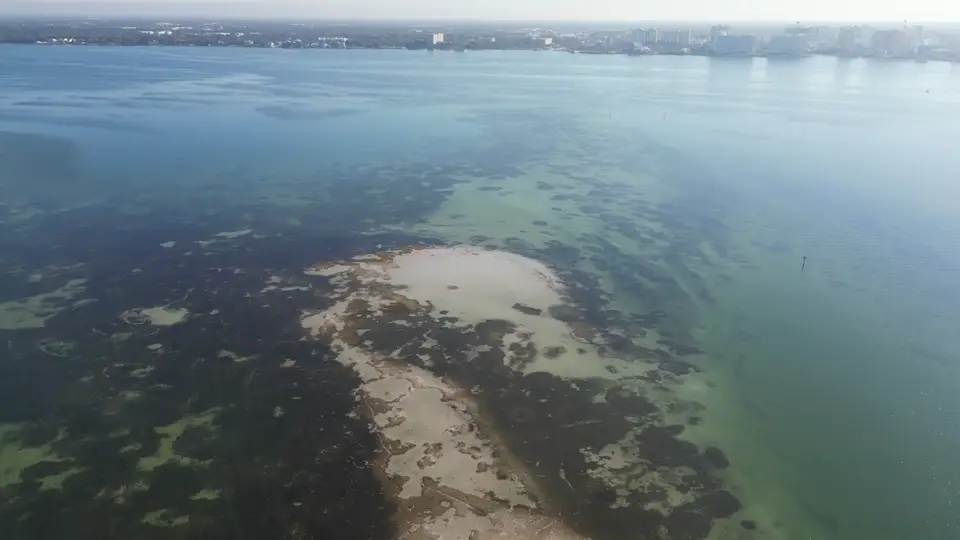
Fish in two feet of water feel a hull from 80 yards.
Where can you wade fish in Sarasota without a boat?
Walk-in access, north to south:
- Palma Sola Bay causeway flats (Bradenton) — roadside parking on Palma Sola Causeway, firm sand-and-grass bottom on both sides, trout and reds year-round.
- Perico / Anna Maria Sound edges (Anna Maria Island) — kayak-or-wade country; the flats off Kingfish Ramp hold reds on high tide.
- Ringling Causeway spoil edges (Sarasota) — park at Bird Key Park, wade the grass north of the bridge. Snook on the rocks at dawn, trout on the grass.
- South Lido / Brushy Bayou (Lido Key) — wade the inside lagoon edges at mid-tide; watch the Big Pass current seam at the point.
- Siesta Key north bridge flats (Siesta Key) — small but reliable trout grass, easiest on a weekday morning.
- Blackburn Bay walk-ins (Casey Key / Venice) — quiet grass on the ICW’s west side, the least-pressured wading water on this list.
Bottom quality matters more than fish rumors: firm sand and seagrass wades easily; dark mud flats near mangrove creeks will take your boot and your morning. If your first three steps sink past the ankle, back out and pick another edge.
What is the stingray shuffle — and does it matter?
Yes, more than anything else on this page. Stingrays bury in the same warm sand you are walking on. Slide each foot forward along the bottom — never step down. A shuffled foot bumps a ray and it bolts; a planted foot pins it and takes a barb through the boot. Every Sarasota wade guide teaches this in the first two minutes, and it is why hard-sole boots are on the gear list. FWC’s stingray safety guidance says the same thing: shuffle, don’t step. June and July, when rays stack on the flats to pup, are the highest-risk months.
The rest of the safety list is short: wade with a buddy or tell someone your flat, keep an eye on afternoon storm cells (you are the tallest thing on the water), and stay off the flats at dusk in summer — that’s when the big blacktips and bulls slide shallow to feed. See our shark pages for what’s actually swimming out there.
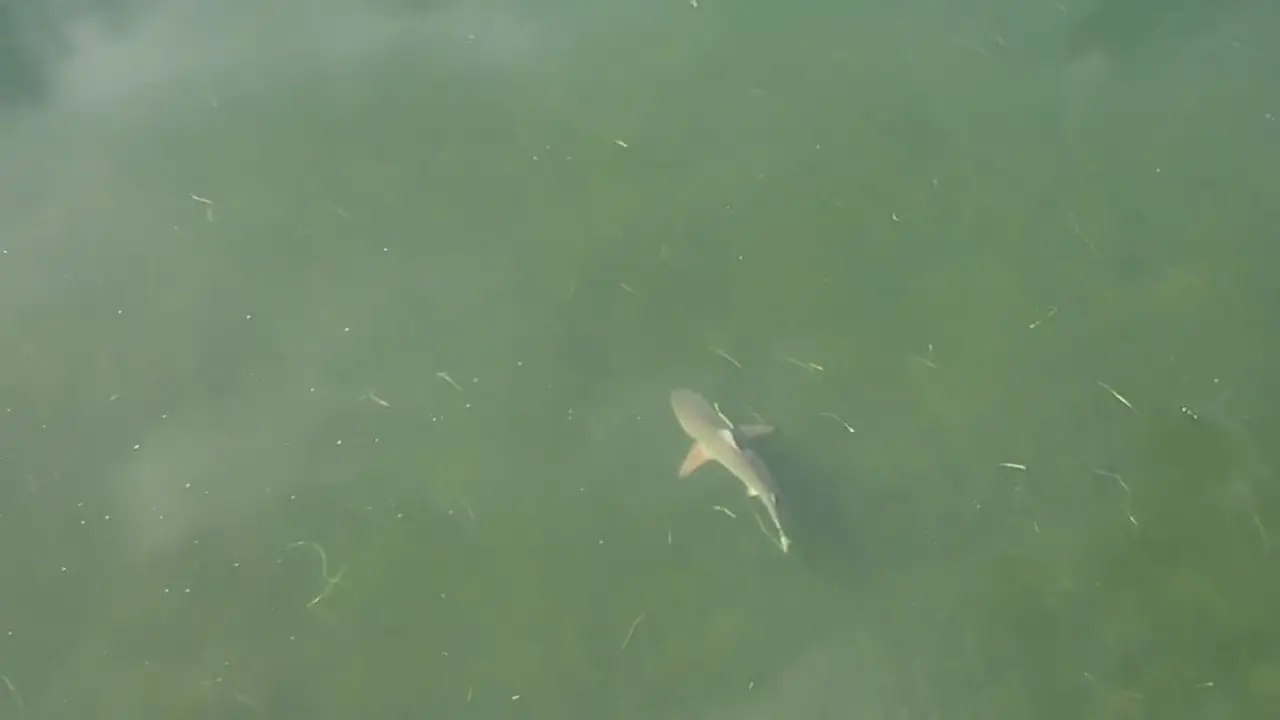
Stay off the flats at dusk in summer — blacktips and bulls slide shallow.
What gear do you carry wading?
The discipline is minimalism — everything on your body, nothing you must return to:
- Rod: one 7’–7’6” medium-light spinning rod, 3000 reel, 10 lb braid to a rod-length of 20–25 lb fluorocarbon.
- Lures, three max: a 4” soft plastic on a 1/8 oz jighead (the everything lure), a bone topwater for first light, and a gold spoon for redfish. If you can’t catch them on those three, changing lures isn’t the problem.
- Pack: sling or chest pack with pliers on a lanyard, spare leader, hook file, water. Backpacks make you dig; digging makes you splash.
- Feet: lace-up flats booties or hard-sole wading boots. Flip-flops end wades early.
Fishing licenses: shore and wading anglers need the regular saltwater license (residents fishing from land can use the free shore-based license) — details and 2026 costs on our license guide, purchase at GoOutdoorsFlorida.
How do you actually fish a flat on foot?
- Enter down-light and down-wind of the water you want to fish — fish face into current; approach from behind the direction they’re looking.
- Stop before you think you should. Fan-cast the 60 ft in front of you from 10 o’clock to 2 o’clock before taking another step.
- Read the bottom: potholes (sand holes in grass) are ambush points — cast past them and swim the jig through. Edges where grass meets sand are trout highways.
- Watch for nervous water — a patch that shivers differently is bait being herded; there is a predator under it. See sight fishing for reading water in detail.
- Move 100 ft, repeat. A half-mile of flat is a full morning fished properly.
Tides drive everything: low incoming concentrates fish in potholes and on the first grass edge; high tide slides reds against the mangroves out of casting reach. Plan around the tide stations before you drive.
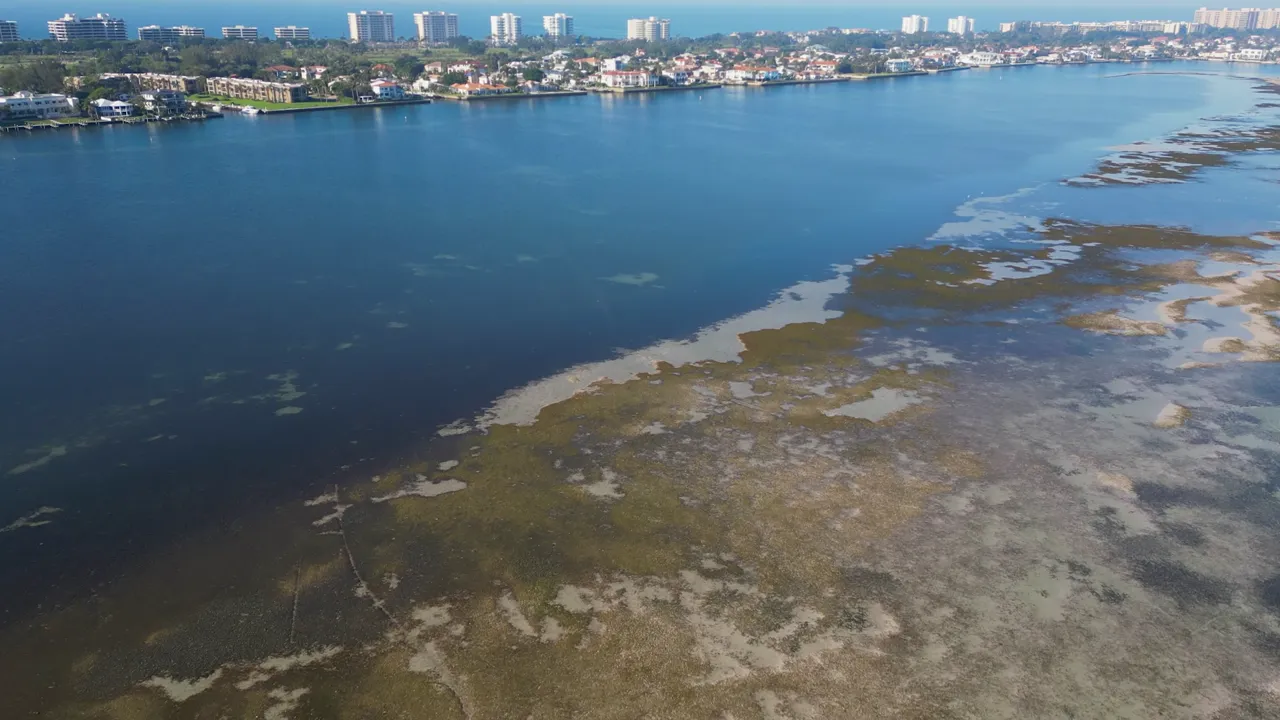
Edges where grass meets sand are trout highways.
FAQ
Do I need waders in Florida? March–November, no — quick-dry pants and booties (“wet wading”). December–February water drops into the 50s–60s; breathable stocking-foot waders extend your season.
Can you wade fish at night? The dock-light game is better fished from a boat or kayak — see dock-light night fishing. Wading unfamiliar bottom in the dark is how ankles get broken.
Is it safe with sharks around? Daytime flats wading is statistically very safe. Don’t wade with a bleeding stringer of fish dragging behind you — use a fish clip and get keepers to the cooler promptly.
Best single spot for a first wade? Palma Sola Causeway: park 50 ft from the water, firm bottom, fish within a cast of the road.
Related: the Sarasota fishing spots guide maps every walk-in on this page; surf & shore fishing covers the Gulf-beach version of this game; and if you’d rather learn it in one morning with a guide who wades, the captains directory lists who runs walk-and-wade trips.
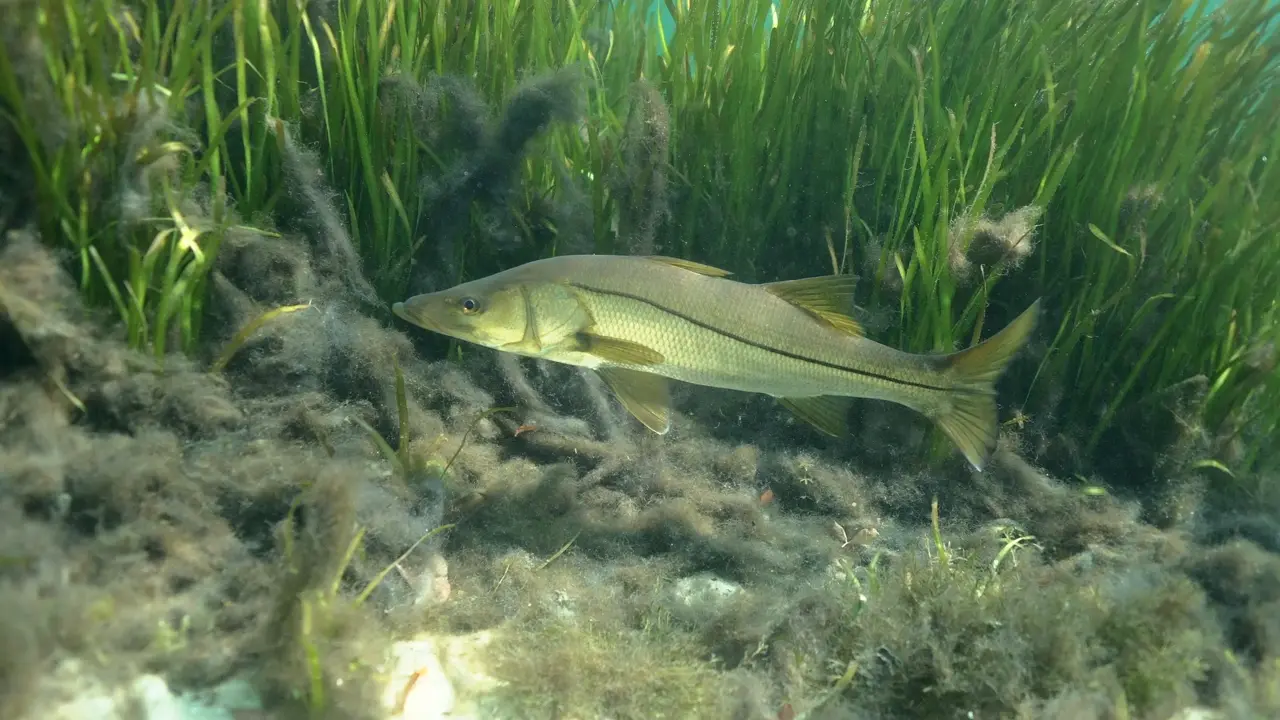
Knee-deep, the fish are inside your casting range.
Wade Fishing on Video
14 public videos from 10 channels, sorted by subject. Nothing plays until you click it.
Gear & Setup
3The wading gear, tackle, and safety tools you carry when you leave the boat behind.
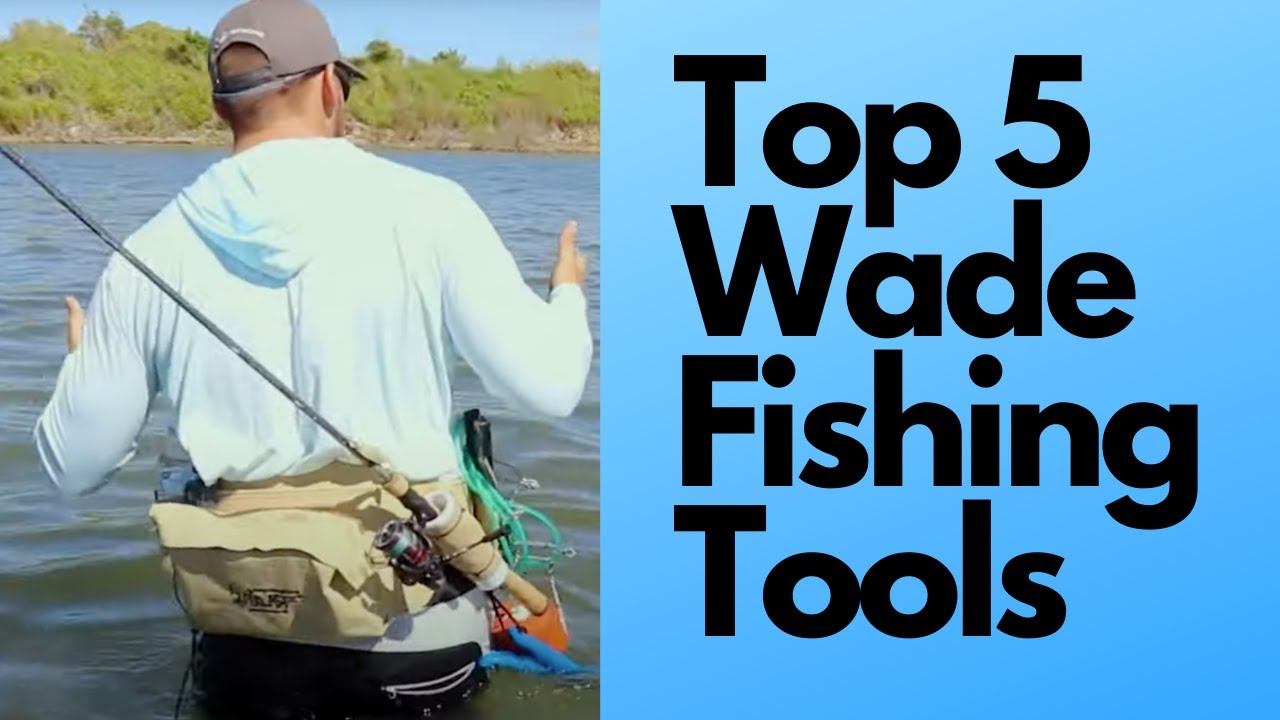
Top 5 Wade Fishing Tools You MUST Have

Wade fishing gear: 7 pieces of wading gear you NEED!

Wade Fishing Gear and Tackle Prep | New Wade Series!
Tips & Technique
5Finding wadeable flats, moving quietly, and covering water for reds, trout, snook, and flounder.
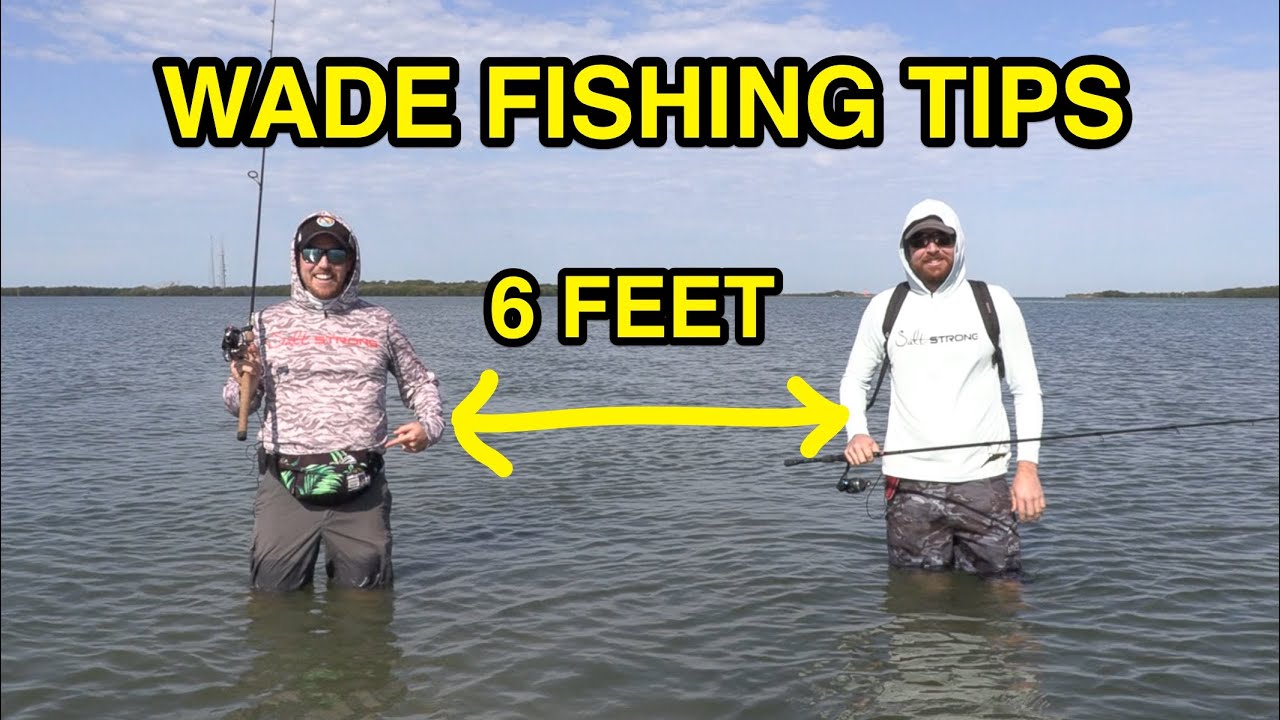
How To Find Wade Fishing Spots (For Redfish, Trout, Snook, & Flounder)

What You Need To Know When Wade Fishing For Redfish
Wade Fishing Tips For Redfish, Trout, Flounder, And Snook

THE #1 WADE FISHING MISTAKE - Even The Pros Forget This Sometimes

5 wade fishing tips for beginners!
On the Water
6Real wade trips across Florida grass flats — led by a Sarasota Bay day.

Wade Fishing in Sarasota Bay with Captain Geoff Page (Redfish, Trout, Snook)

Wade Fishing for Redfish, Trout and Snook in the Indian River

Uncut Florida Wade Fishing Grass Flats (SW FL Redfish, Trout & More)

Clear Water Wade Fishing Florida With Lures - Pre-Storm Fishing

EASY Tampa Bay Wade Fishing Using Lures ONLY!

Wade Fishing Stuart Florida Flats for Speckled Seatrout
Gear Checklist.
- 7'–7'6" medium-light spinning rod
- 3000 reel, 10 lb braid, 20–25 lb fluorocarbon leader
- Sling pack or chest pack — not a backpack
- Hard-sole wading boots or lace-up flats booties
- Polarized glasses (copper or amber lens)
- 3–4 lures max: soft plastic on 1/8 oz jighead, topwater, spoon
- Pliers on a lanyard + 36" cord stringer or clip for a licensed keeper