Shark Tooth
Dives.
Drop onto the offshore boneyard 15 to 35 feet down, fan the sand by hand, and pull up fossil shark teeth millions of years old — megalodon included. No permit to keep them.
Fan the Sand,
Find a Megalodon.
Off Venice — the self-proclaimed Shark Tooth Capital of the World — an offshore fossil layer sits in 15 to 35 feet of warm Gulf water. You settle onto the bottom, fan the sand with your hand, and pick out fossilized shark teeth up to millions of years old. It's a shallow, no-decompression, feel-and-hunt dive — beginner-friendly, and the teeth are yours to keep, no permit required.
- USCG-licensed captain and mate
- Boat run to the offshore fossil sites
- 2–3 tank fills for certified divers (snorkel option available)
- Weight belt, mesh goody bag, and hand tool for fanning the bottom
- Ice and drinking water
Typical for this trip type — the exact list is the captain's and is confirmed when you book.
Ranges are ballparks, not quotes — snorkel-vs-scuba, tank count, group size, and fuel all move the number. Call or text us for an exact quote on your dates.
Venice sits on a fossil bed that runs from the beach out past 30 feet — the reason the town calls itself the Shark Tooth Capital of the World. Every tooth you fan out of the gravel is fossilized, millions of years old, and yours to keep.
The layer itself is unremarkable to look at — grey gravel, broken shell, the odd rock. What makes it work is that the Peace River formation runs out under the Gulf here, and the teeth weather out of it faster than the sand can bury them. You are not hunting; you are sorting.
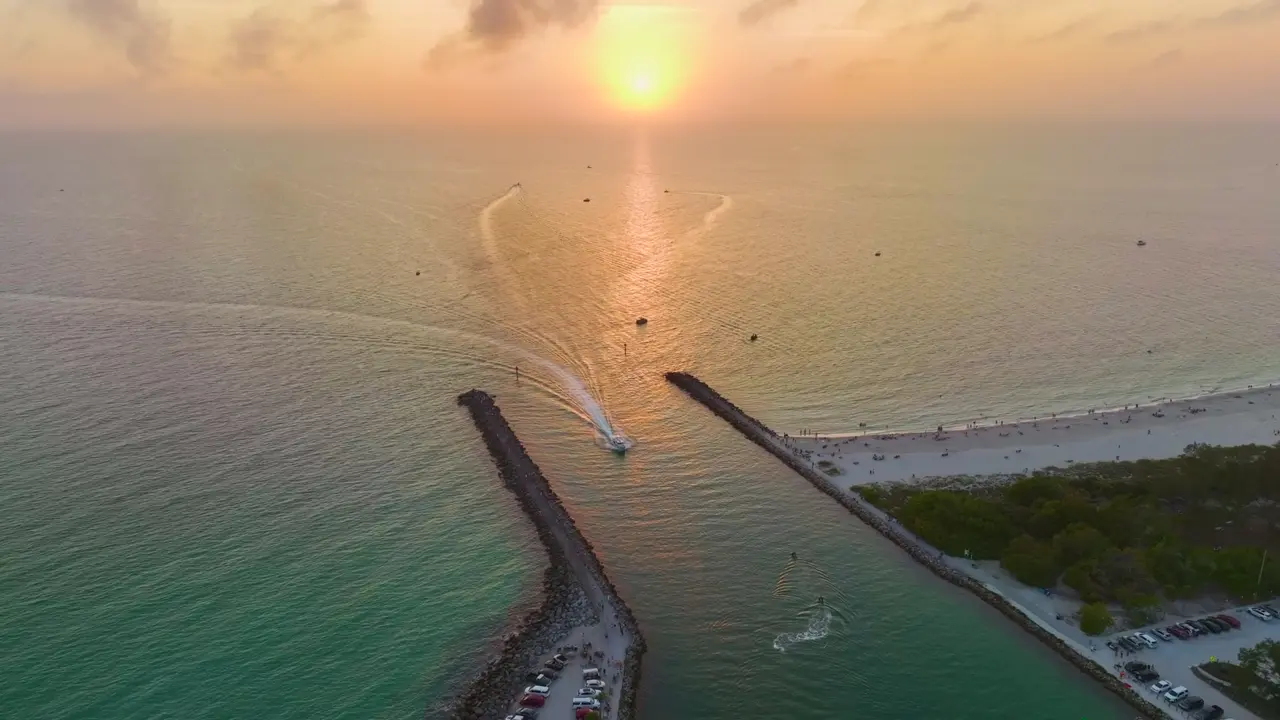
The Boneyard runs five miles south of Venice — reachable only by boat.
Everything About
the Boneyard Dive.
Guided shark-tooth dives run off Venice, Florida — the self-proclaimed Shark Tooth Capital of the World — dropping certified divers onto an offshore fossil layer 15 to 35 feet deep, where you fan the sandy bottom by hand and pick out fossilized shark teeth up to millions of years old. A typical trip is a 2–3 tank offshore dive; teeth need no permit to keep. Prices run roughly $150–$900 depending on private-vs-shared and tank count.
Ranges, not quotes — season, boat, group size, tank count, and fuel all move the number. Call or text us for an exact quote on your dates.
Why is Venice the shark tooth capital of the world?
Venice sits on top of a fossil-bearing formation that runs 18–35 feet deep offshore. The layer is the eroded remains of a seabed that collected shark teeth for millions of years when Florida was submerged — sharks shed thousands of teeth per lifetime, and those teeth fossilized black in the phosphate-rich sediment. Wave and storm energy dislodges them from the underwater formation, roughly half a mile off the beach, and drives the heavy teeth toward shore.
The offshore hunting grounds are known locally as the Boneyard — a zone stretching about 5 miles south from the South Venice area, reachable only by boat. That’s where the dive charters go. See Visit Venice FL — Shark Tooth Capital and the Visit Sarasota County guide to Venice’s fossil coast for the tourism-side overview.
The geology underneath is the Peace River Formation of the Hawthorn Group — a phosphate-rich Miocene-to-Pliocene marine unit dated roughly 23 to 5 million years old. Phosphate permineralizes the teeth, which is why they come up glossy black, dark gray, or brown, and why the sand around a productive lens carries tiny black granules. The full geology and paleo breakdown lives in our shark-tooth diving guide.
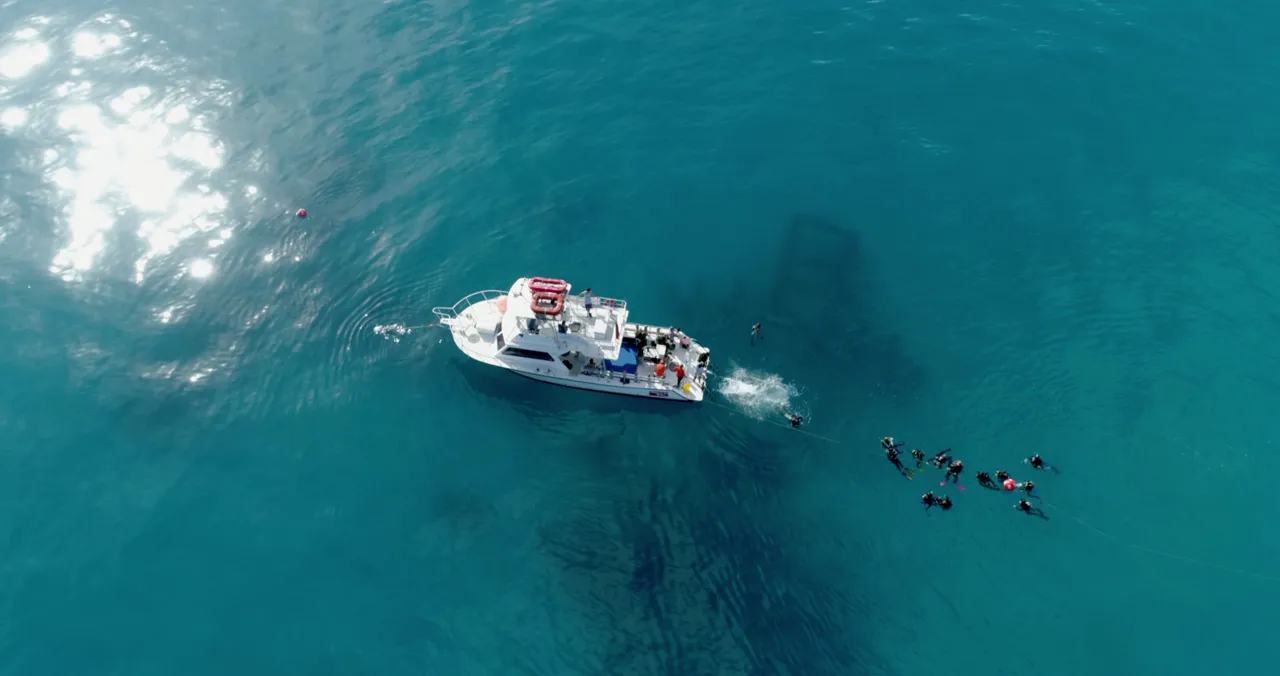
Fifteen to thirty-five feet down — shallow enough to work the bottom the whole tank.
What does a shark tooth dive off Venice look like?
The captain runs you out to a numbered Boneyard site in 15–35 feet of water. Certified divers descend to the fossil layer and work the bottom: fan the light sand away by hand or with a small tool, and the heavier black teeth stay behind in the phosphate-dark substrate. You pick them out and drop them in a mesh bag. It’s a slow, methodical hunt — feel over sight, since visibility is limited.
| Element | Detail |
|---|---|
| Depth | 15–35 ft (commonly 18–35 ft; some sites 20–25 ft) |
| Format | 2–3 tank offshore dive, or guided snorkel over shallow troughs |
| Distance offshore | Boneyard runs ~5 mi south of South Venice; formation ~½ mi off the beach |
| Method | Fan the sand by hand; heavier fossil teeth stay behind |
| Difficulty | Entry-level friendly — shallow, no-deco, long bottom times |
| Visibility | Limited and variable; a feel-and-fan hunt, not a sightseeing dive |
Who is a shark tooth dive right for?
Newly certified divers looking for a purpose-built dive with a souvenir at the end. The shallow depth means long, relaxed bottom times and no decompression concern, so it suits divers who want time on the bottom over depth or current. Fossil collectors and families with older kids who are certified do well; it’s a hands-on treasure hunt, not a reef swim.
Not certified? Ask about the snorkel option — guided snorkel trips fan the same bottom from the surface over the shallow nearshore troughs. And if half your group would rather cast than dig, pair the day with an inshore or nearshore fishing trip out of the same inlet, or a calmer kids and family charter for younger crew.
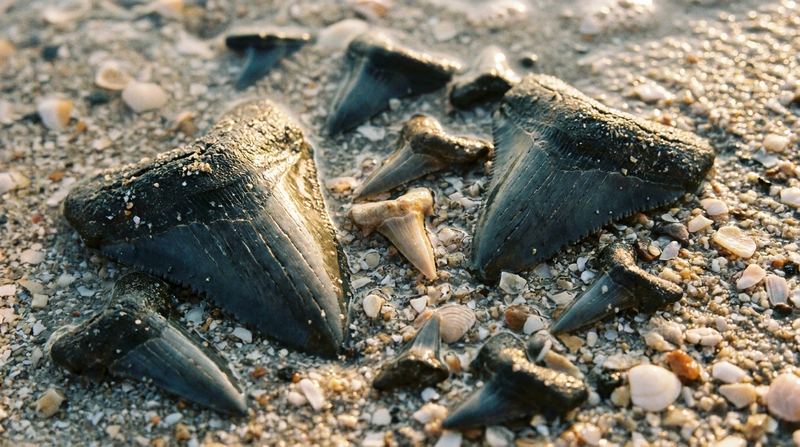
Every tooth you fan up is millions of years old — and yours to keep, no permit.
What will I find — and what’s the megalodon story?
The prize is a megalodon (Otodus megalodon) tooth — the extinct giant shark whose teeth commonly run 3 inches and up, with large specimens over 7 inches. A palm-sized black meg is the classic “find of a lifetime.” Most teeth you’ll actually bring up are smaller, under an inch, from a long list of species.
| Find | Notes |
|---|---|
| Megalodon | The trophy; 3 in+, trophy-grade 7 in+, graded on tip, serration, color |
| Mako, great white, tiger, bull | Larger, prized; serrations intact on tiger and white |
| Lemon, dusky, hammerhead, sand tiger, snaggletooth | The common small teeth, mostly under 1 inch |
| Ray dental plates, stingray barbs | Non-shark, no permit needed |
| Dugong ribs, whale bone, horse/mammoth teeth | Vertebrate fossils — Florida Fossil Permit required on state land |
A good tooth is glossy, heavier than a shell of the same size, with a defined root, an intact enamel crown, and unchipped serrations. For species identification, Fossilguy’s Venice guide is the reference locals use.
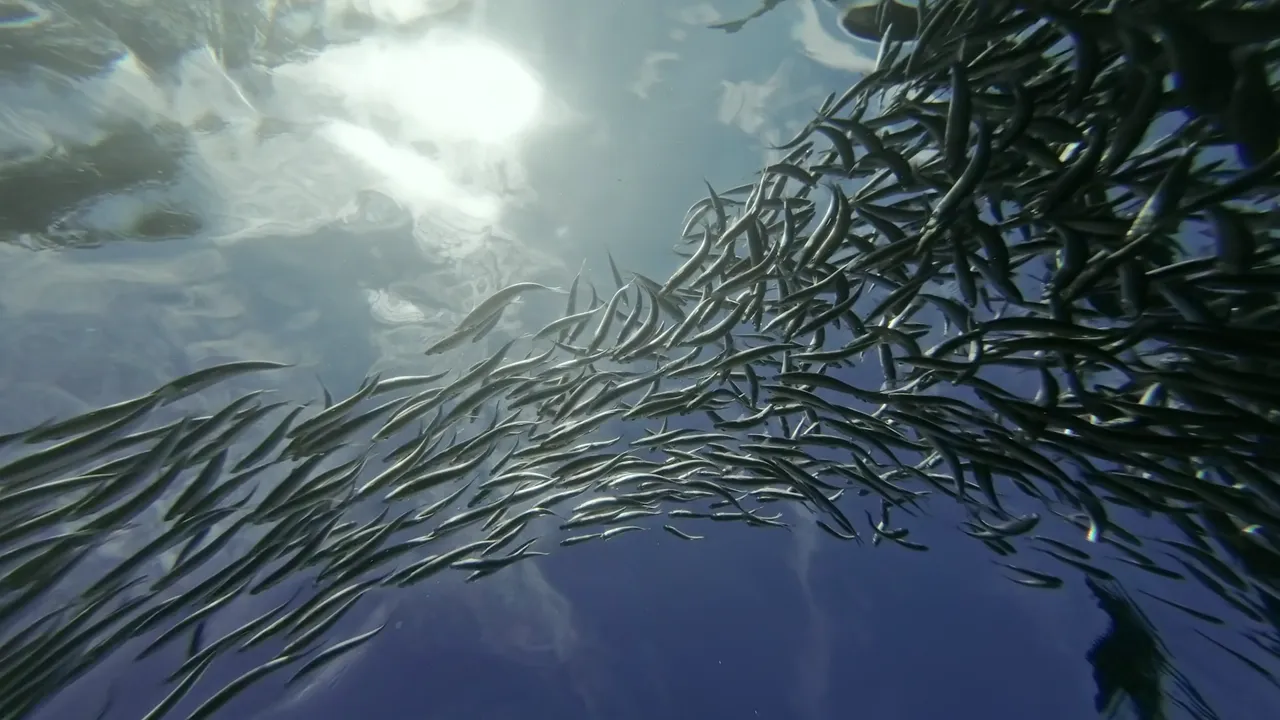
You fan the sand with your hand and the black teeth turn up in your fingers.
Do I need a permit, and what are the rules?
Two-tier rule, and it matters:
- Shark and ray teeth, invertebrates, and plant fossils: no permit needed. Collect and keep them freely from beaches, rivers, and the seabed.
- All vertebrate fossils on state land — Ice Age mammal bone, dugong ribs, whale bone, horse teeth — require the $5/year Florida Fossil Permit, issued by the Florida Museum of Natural History. Vertebrate finds must be reported; scientifically significant specimens can be claimed by the State within a 60-day window.
Get the permit at FLMNH — Florida Fossil Permit (fossilpermits@floridamuseum.ufl.edu). Background on collecting law is at Florida DEP — Fossil Collecting. Rules change — verify current requirements before you dig.
When is the best time for a shark tooth dive?
The fossils are always down there; conditions decide the day. The paradox: the best hunting often follows the worst weather. Storm and swell energy churns the seabed like a giant sieve, exposing fresh material. Glass-calm days give the best visibility and the easiest dive; post-front days give the best odds.
| Season | Conditions |
|---|---|
| Dec–Mar | Winter low-energy season; post-front swells reposition sand, expose new teeth |
| Apr–May | Calming water, good clarity windows, comfortable dives |
| Jun–Aug | Glass-calm early mornings; afternoon storms — book the early slot |
| Sep–Nov | Warm water, lighter crowds; tropical swells reset the bottom |
Watch the marine forecast at NOAA/NWS Tampa Bay before you commit — the captain will call it or reschedule if the Gulf won’t cooperate.
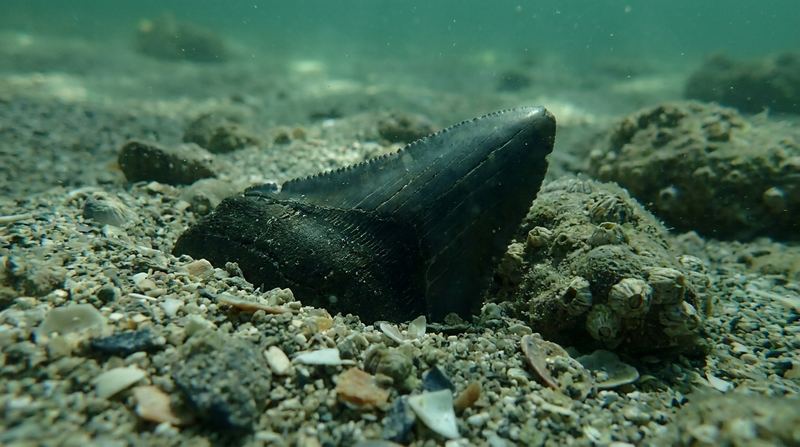
Megalodon teeth run three inches and up — that's the one everyone's down there for.
Which operators run Venice fossil dives?
Our captains run 2–3 tank fossil dives and guided snorkel trips out of Venice — boat, tanks, and the Boneyard numbers handled, with certified divers put straight on productive bottom. Rather stay on the beach? The free hunting is excellent — Caspersen Beach just south of Venice is the unofficial mecca, with Manasota Key and Casey Key quieter and less-picked.
Different boats and captains price differently, and rates and availability change constantly — text us for current, accurate pricing on your dates.
Ranges, not quotes — the boat, the captain, and the season all move the number, and we work with everything from budget-friendly operations to high-end boats with specialist captains. If price is the limiting factor, tell us and we will find something that fits. Full breakdown: charter prices guide.
Related
Not certified, or want to combine fishing with fossils? See the dive charters page for scuba and snorkel reef trips, or the nearshore charter for reef fishing out of the same inlet. The full geology, paleo species, beach-hunting, and Peace River breakdown is in the shark-tooth diving guide, and land-based hunting pairs with surf and shore fishing. For the towns that anchor the fossil coast, see Venice, Casey Key to the north, and Englewood / Manasota Key to the south.
A trip is two or three tanks, so it is two or three drops. You surface, swap the tank, and the captain repositions over a fresh patch of the fossil layer — a new stretch of gravel each time, which is how a slow-feeling dive adds up to a pocket of teeth by the end.
Size is the whole conversation on the ride home. Most of what comes up is thumbnail-sized sand tiger, lemon and bull. A three-inch meg tooth is a season, not a day — and it is the reason people keep going back down.
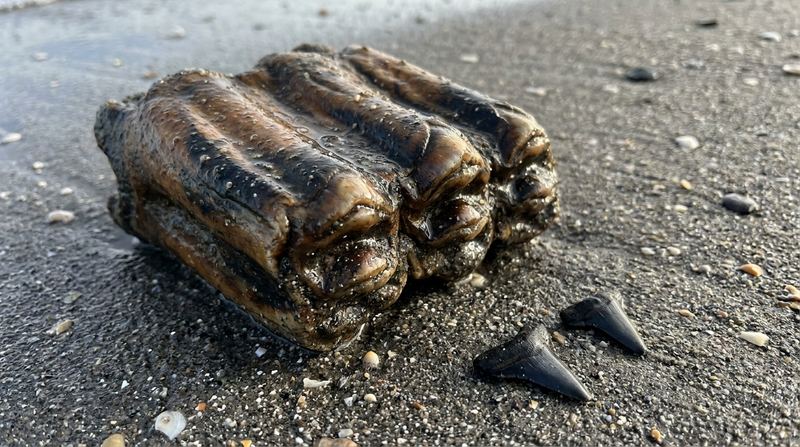
Ice-Age
Florida on the Bottom.
The same fossil layer gives up mastodon and mammoth teeth, dugong ribs, and bone from a Florida that used to be dry grassland. Shark teeth, rays, and inverts you can keep with no permit; Ice-Age vertebrate bone needs the $5/year state fossil permit — we'll point you to it.
Shark Tooth Dive FAQ.
Do I need a permit to keep shark teeth I find in Venice?
How deep is the shark-tooth dive off Venice?
Will I actually find a megalodon tooth?
Do I have to be scuba certified?
What's the visibility like out there?
Book a Boneyard Dive.
Send an inquiry pre-filled for a shark-tooth dive and we'll match the tide and the fossil sites to your group and certification level — or call and talk it through.